

The landscape of North American travel has undergone a profound transformation over the last decade, characterized by a significant shift toward outdoor hospitality and mobile living. At the center of this movement is Kampgrounds of America, Inc. (KOA), the world’s largest system of open-to-the-public campgrounds. With more than 500 locations across the United States and Canada, KOA has evolved from a single riverside campground in Montana into a standardized network that defines the modern RV experience. As the RV Industry Association (RVIA) reports that approximately 11.2 million households now own an RV, the demand for reliable, high-quality infrastructure has never been higher. For both the seasoned "full-timer" and the "weekend warrior," understanding the nuances of the KOA system is essential for navigating the complexities of modern road travel.
The Evolution of Standardized Camping: A Historical Context
To understand the current state of RV camping at KOA, one must look back to its inception in 1962. Founded by Dave Drum in Billings, Montana, the first KOA was established to provide a stopover for travelers heading to the World’s Fair in Seattle. Drum’s innovation was not merely providing a place to park, but offering a standardized suite of amenities—hot showers, clean restrooms, and a small store—that travelers could rely on regardless of the location.
This franchise model revolutionized the camping industry, moving it away from isolated, primitive sites toward a sophisticated network of outdoor hospitality. In the decades that followed, KOA implemented a rigorous inspection system to ensure consistency across its franchised locations. By the early 21st century, the organization recognized that the "one size fits all" approach no longer met the diverse needs of modern travelers. This led to the 2011 introduction of the "brand positioning" strategy, which categorized campgrounds into three distinct tiers: Journey, Holiday, and Resort.
Categorizing the Outdoor Experience: Journey, Holiday, and Resort
The modern KOA network is architected to serve specific travel behaviors. Journalistic analysis of consumer trends suggests that travelers prioritize different amenities based on the duration of their stay and their proximity to final destinations.
KOA Journey: The Strategic Stopover
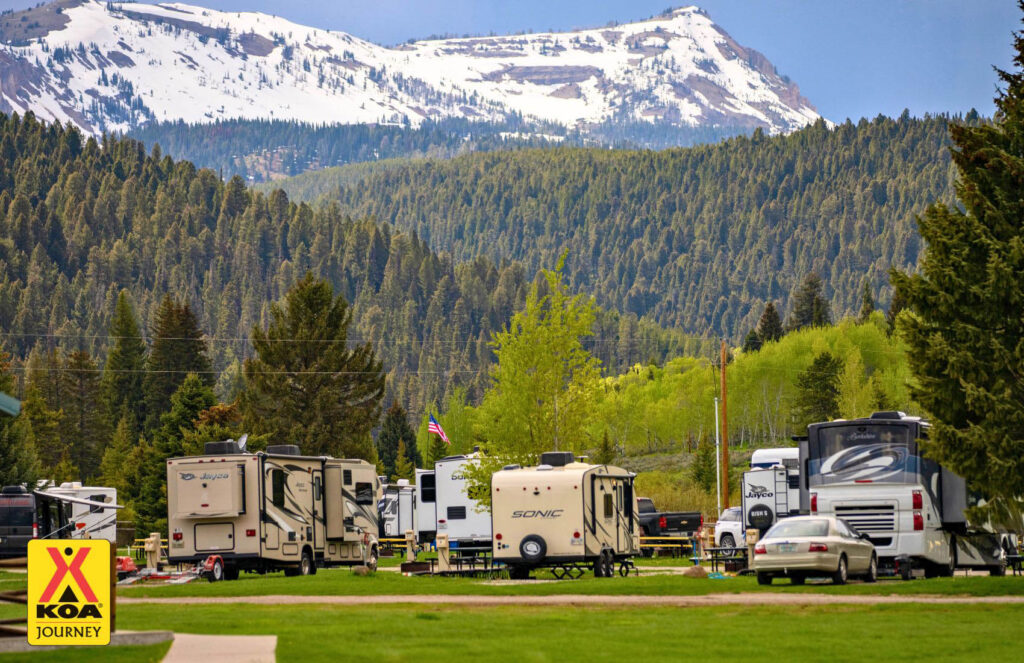
KOA Journey campgrounds are primarily located near major highways and thoroughfares. These locations are engineered for the "Cross-Country Voyager" who requires a reliable, efficient place to rest before continuing a long-distance trek. Key features include well-lit after-hours check-in services, long pull-through sites that allow drivers to remain hitched to their tow vehicles, and easy-access fuel stations nearby. While they offer the standard KOA amenities, their primary function is logistical efficiency.
KOA Holiday: The Basecamp for Exploration
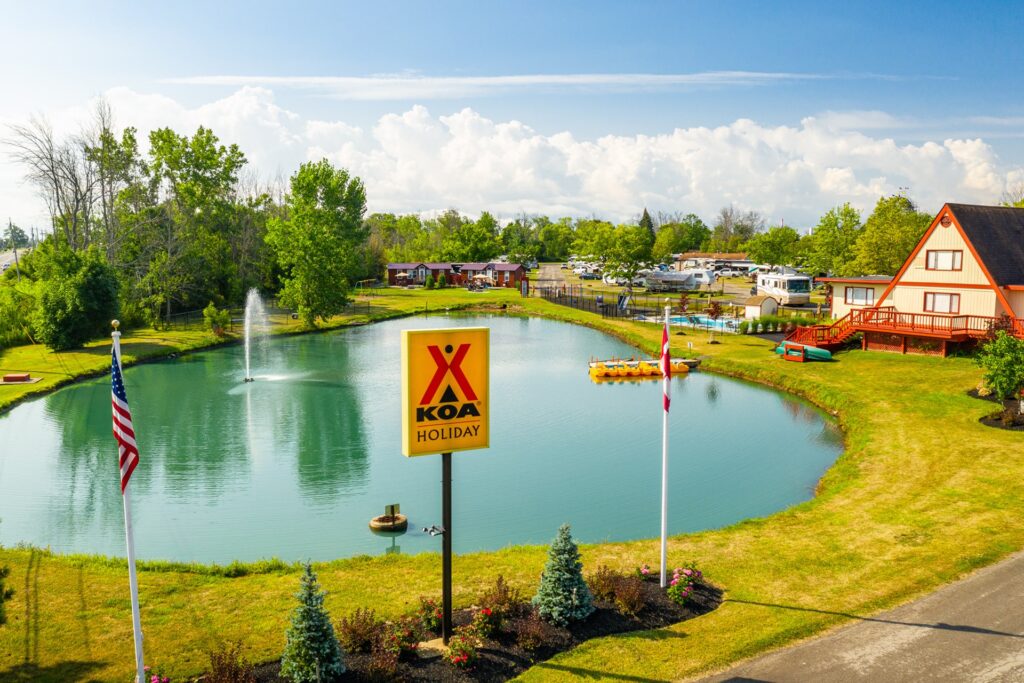
Positioned as a destination in themselves, KOA Holiday locations are typically situated near major natural attractions, national parks, or historical sites. These campgrounds serve the "Weekend Warrior" or the "Family Vacationer" who intends to stay for several days. They offer enhanced amenities such as upgraded pavilions for group gatherings, organized activities for children, and a wider variety of site types, including the premium KOA Patio sites.
KOA Resort: The All-Inclusive Outdoor Destination
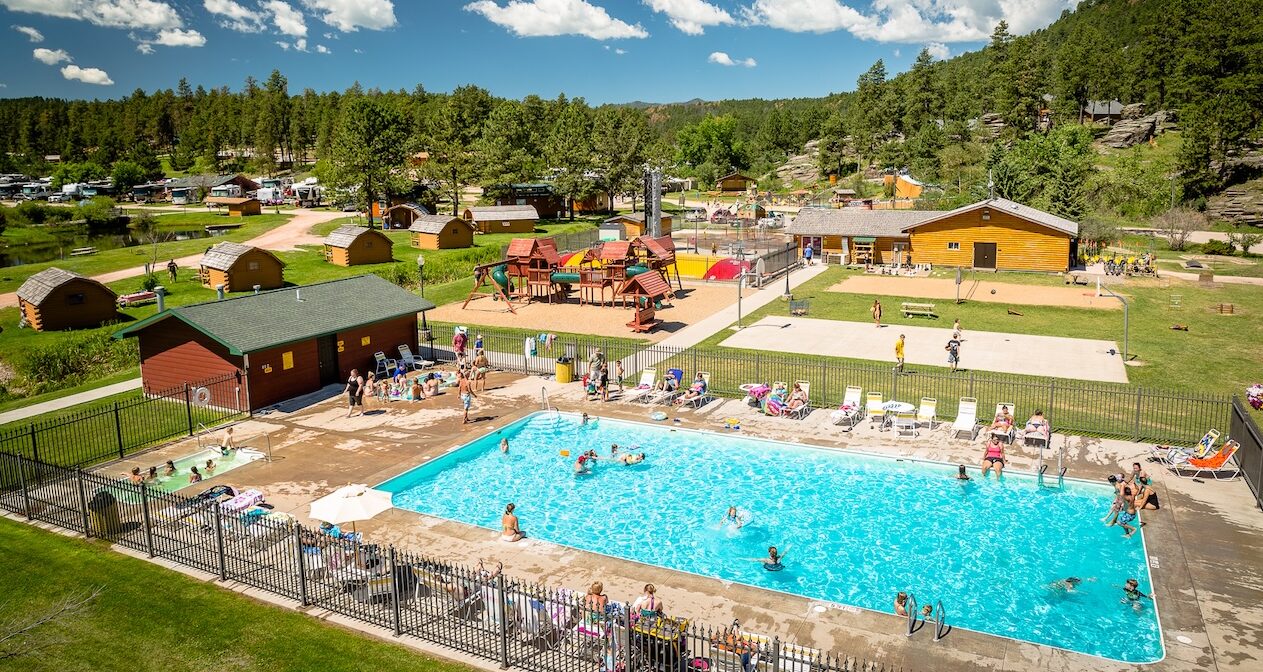
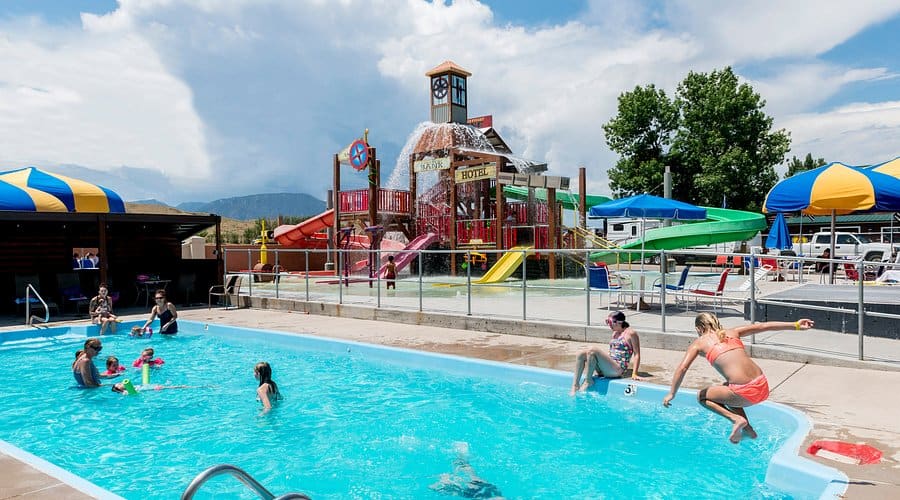
At the top of the hierarchy, KOA Resorts are designed to be the primary destination of a trip. These locations feature resort-style swimming pools, on-site food services, staff-led recreation programs, and extensive landscaping. They cater heavily to "Snowbirds" and extended-stay travelers who seek a community atmosphere. Data indicates that these locations often see the highest return-guest rates due to the comprehensive nature of the facilities.
Technical Specifications: Navigating Hookups and Site Design
For the modern RVer, the technical compatibility of a campsite is a primary concern. KOA has standardized its site offerings to accommodate everything from 20-foot camper vans to 45-foot Class A motorhomes.
The Engineering of the Hookup
The term "full hookup" refers to a site that provides three essential services: pressurized city water, a sewer connection, and electrical service. KOA locations typically offer a choice of 30-amp or 50-amp electrical service. High-end modern RVs with multiple air conditioning units and residential appliances require 50-amp service, making the availability of these sites a critical factor in reservation data. "Partial hookups" generally provide water and electricity but lack an individual sewer connection, requiring the use of a communal "dump station" before exiting the park.
Site Architecture: Pull-Through vs. Back-In
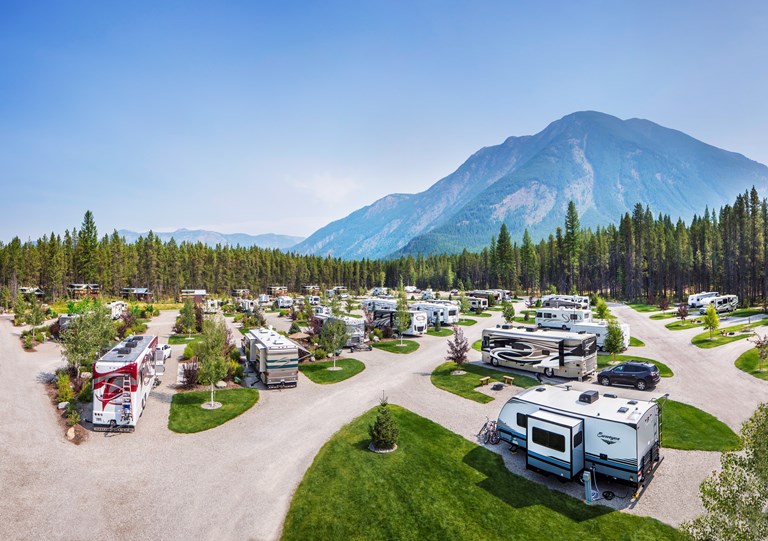
Site geometry is a major consideration for driver safety and convenience. Pull-through sites allow the operator to drive into the site and exit from the opposite side, eliminating the need for complex backing maneuvers. This is the preferred option for large rigs and those towing additional vehicles. Back-in sites, while requiring more skill to navigate, often provide more privacy and are frequently situated along the perimeter of the campground, offering better views of natural features like lakes or forests.
The Rise of the KOA Patio
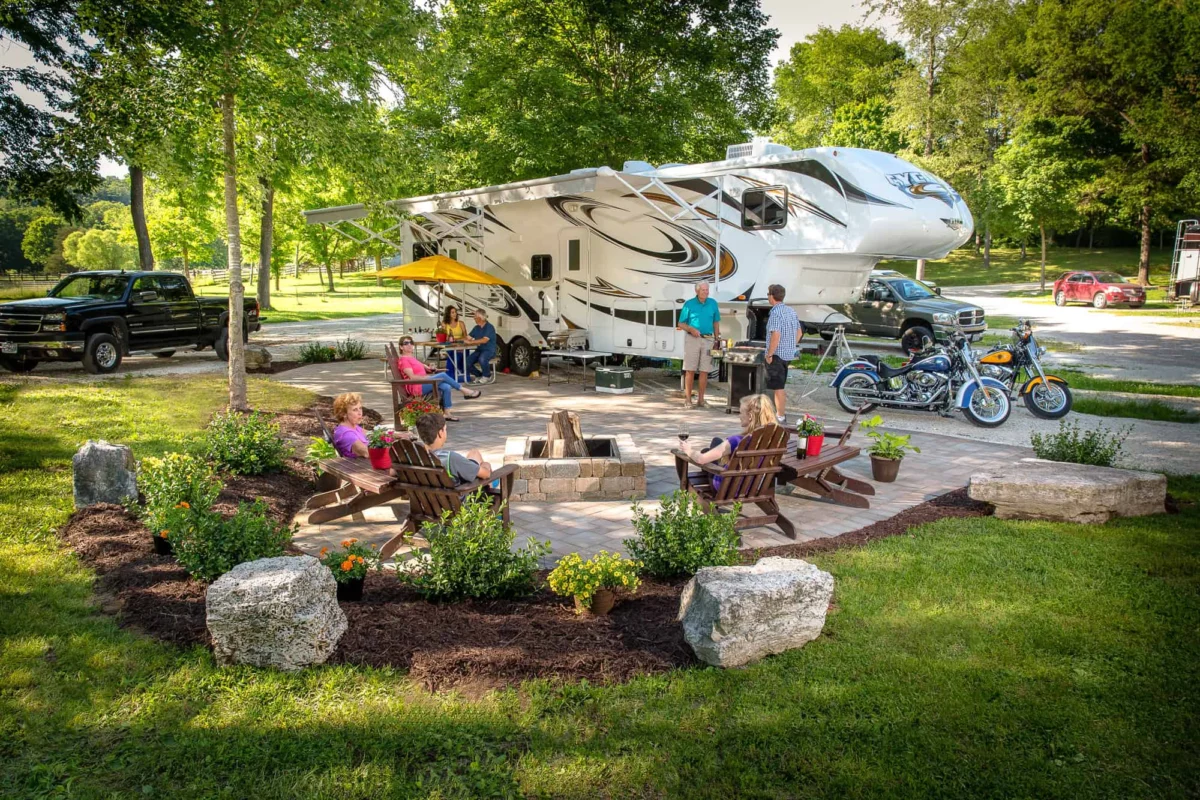
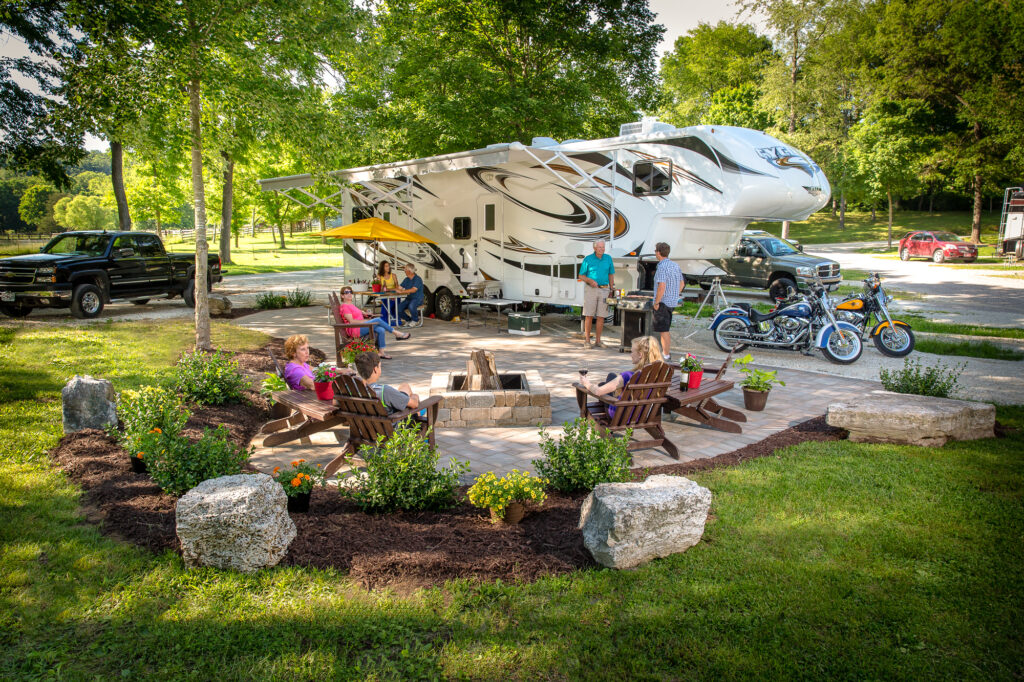
A significant recent development in campground infrastructure is the KOA Patio site. Recognizing that RVers spend a large portion of their time outside the vehicle, these sites feature an extended hard-surface patio, high-quality outdoor furniture, a dedicated fire ring, and sometimes even additional amenities like outdoor kitchens or swings. This reflects a broader industry trend toward "glamping" and the premiumization of the camping experience.
Demographic Shifts and the Pet-Friendly Mandate
The RV industry has seen a notable demographic shift, with younger families and remote professionals entering the market. According to the 2023 North American Camping Report, nearly half of all campers are now from diverse backgrounds, and the average age of the camper continues to trend downward.
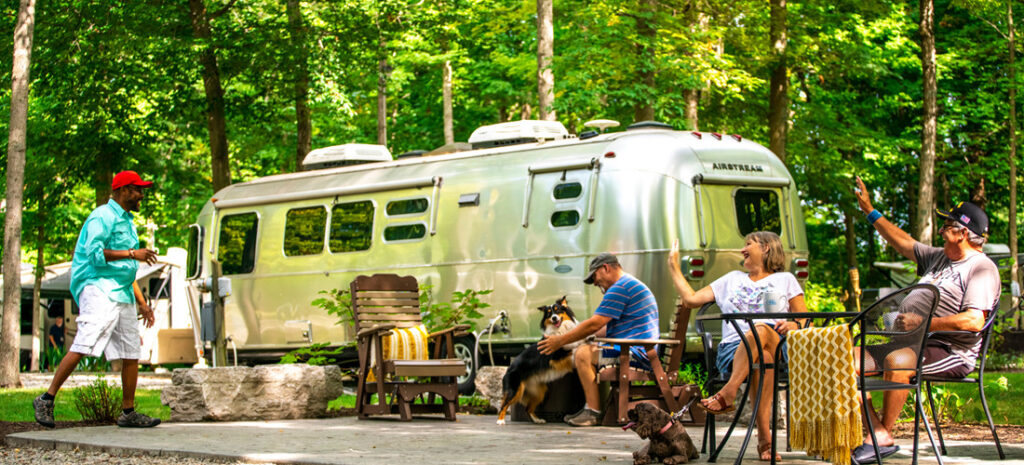
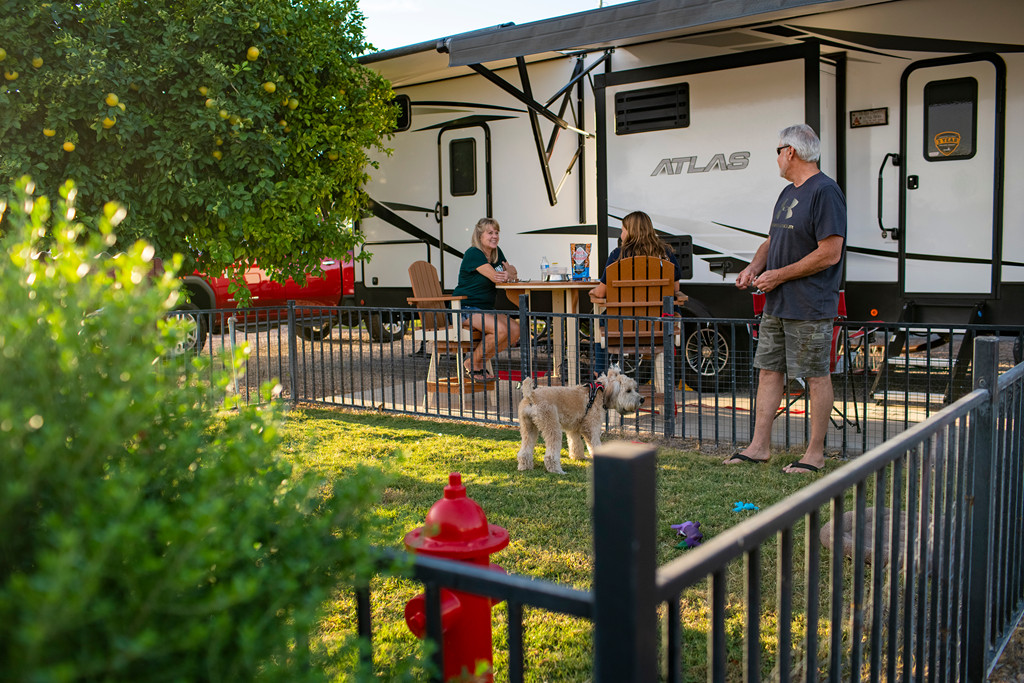
One of the most significant drivers of campsite selection is pet friendliness. KOA data suggests that approximately 43% of RVers travel with pets, primarily dogs. In response, the organization has implemented "KampK9" facilities across its network. These are fenced, off-leash parks that provide a safe environment for exercise. More recently, the "KOA Paw Pen" has been introduced at select locations—a private, fenced-in area integrated directly into an individual RV site, allowing pets to roam freely within the owner’s immediate vicinity.
Economic Implications and the Value of Loyalty
The economic impact of the RV industry is substantial, contributing an estimated $140 billion to the U.S. economy annually. KOA’s role in this ecosystem is bolstered by its "KOA Rewards" program. This loyalty initiative serves two functions: it provides a 10% discount to travelers, incentivizing repeat business, and it allows KOA to gather data on travel patterns, which informs future campground development.
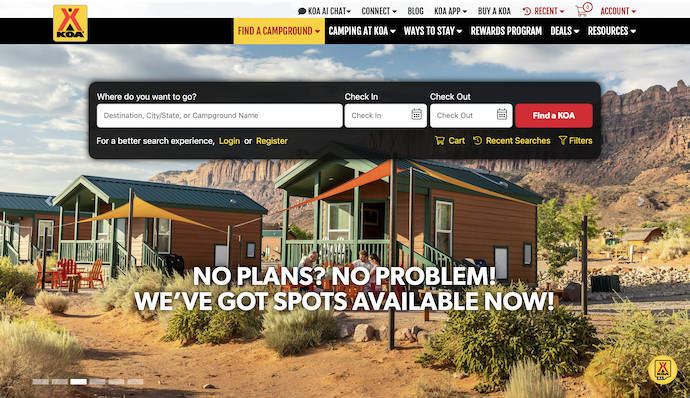
From a journalistic perspective, the transparency of the KOA pricing model is a key factor in its market dominance. Unlike many independent parks that may have hidden fees for extra guests or utilities, KOA utilizes a streamlined online booking system that provides real-time availability and comprehensive cost breakdowns. This digital integration has become a baseline expectation for the "digital nomad" segment of the RV community, who rely on stable Wi-Fi and easy reservation management to balance work and travel.
Environmental Stewardship and Health Benefits
Beyond the logistical and economic aspects, RVing at KOA is increasingly viewed through the lens of wellness and environmental responsibility. Scientific research consistently links time spent in nature with reduced cortisol levels, improved circadian rhythms, and enhanced cognitive function. By providing accessible "green spaces" with modern comforts, KOA acts as a bridge for urban populations to access these health benefits.
Furthermore, the organization has placed an increasing emphasis on responsible travel. This includes promoting "Leave No Trace" principles and investing in sustainable infrastructure, such as LED lighting and water-saving fixtures. As the industry looks toward the future, the integration of Electric Vehicle (EV) charging stations at RV sites is becoming a focal point of discussion, reflecting the automotive industry’s transition toward electrification.
Strategic Planning: Ensuring a Successful Expedition
For travelers looking to utilize the KOA network, industry experts recommend several strategic steps:
- Advance Reservation: During peak seasons (May through September), popular locations can reach capacity months in advance. The use of the KOA mobile app allows for real-time tracking of cancellations.
- Size Verification: It is imperative that travelers accurately input their rig’s length and slide-out requirements. Modern campsites are designed with precision, and an inaccurate measurement can lead to a site that cannot accommodate the vehicle’s footprint.
- Local Intelligence: KOA staff, identifiable by their signature yellow shirts, are trained to act as local concierges. They provide critical information on local road conditions, height clearances for bridges, and nearby attractions that may not be well-documented online.
Conclusion: The Future of the Open Road
Kampgrounds of America has successfully navigated more than six decades of change in the travel industry by prioritizing consistency, technological adaptation, and consumer-centric design. As the boundaries between work, home, and travel continue to blur, the role of the high-quality RV park has shifted from a mere utility to a vital component of the modern lifestyle. Whether it is a quick overnight stop at a Journey location or a month-long stay at a Resort, the KOA system provides the infrastructure that allows the dream of the open road to remain a viable and accessible reality for millions of North Americans. The continued expansion of the network and the refinement of its three-tier branding suggest that the future of RVing will be defined by an even greater emphasis on comfort, community, and the seamless integration of nature and technology.

