

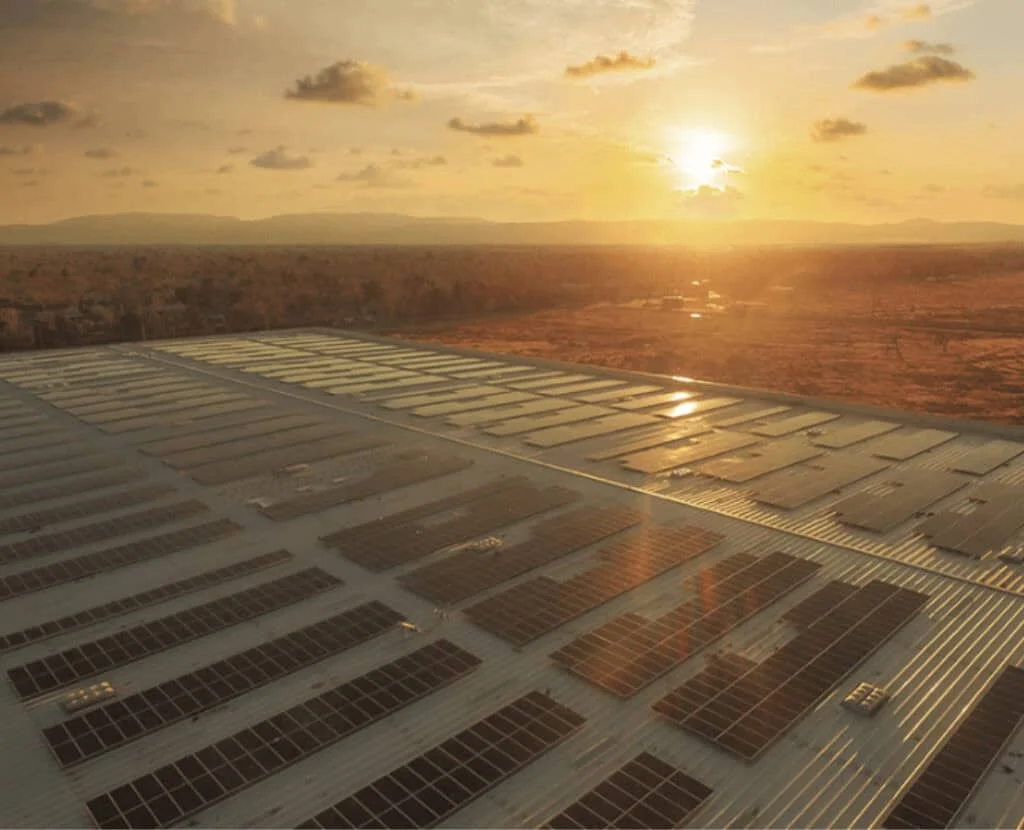
Australia is currently undergoing one of the most rapid energy transitions in the developed world, shifting from a historical reliance on coal to a decentralized, renewable-heavy grid. According to the Australian Department of Climate Change, Energy, the Environment and Water (DCCEEW), renewable electricity generation on the continent has more than doubled over the last decade. This surge is further highlighted in the Clean Energy Council’s 2026 Clean Energy Report, which reveals that over 40% of Australia’s total electricity supply is now derived from renewable sources, including biomass, solar, wind, and hydroelectricity. As the nation moves toward its ambitious goal of 82% renewable energy by 2030, several key commercial players have emerged as leaders in providing the hardware and software necessary to sustain this momentum.
The transition is no longer driven solely by environmental policy but by clear economic incentives for the consumer. For millions of Australian households, switching to renewable energy has evolved from a philanthropic gesture into a pragmatic financial strategy. High retail electricity prices, coupled with the decreasing cost of photovoltaic (PV) technology and lithium-ion storage, have made energy independence a viable reality. In this landscape, five specific brands—VoltX Energy, Tesla Energy, SunPower, Fronius, and BYD—have distinguished themselves through innovation, reliability, and market penetration.
The Chronology of Australia’s Renewable Evolution
The path to the current renewable boom began in earnest with the introduction of the Mandatory Renewable Energy Target (MRET) in 2001, which was later expanded into the Large-scale Renewable Energy Target (LRET) and the Small-scale Renewable Energy Scheme (SRES). Throughout the 2010s, Australia became a global leader in per-capita rooftop solar installation, driven by generous feed-in tariffs and the "Solar Bonus" schemes offered by various state governments.
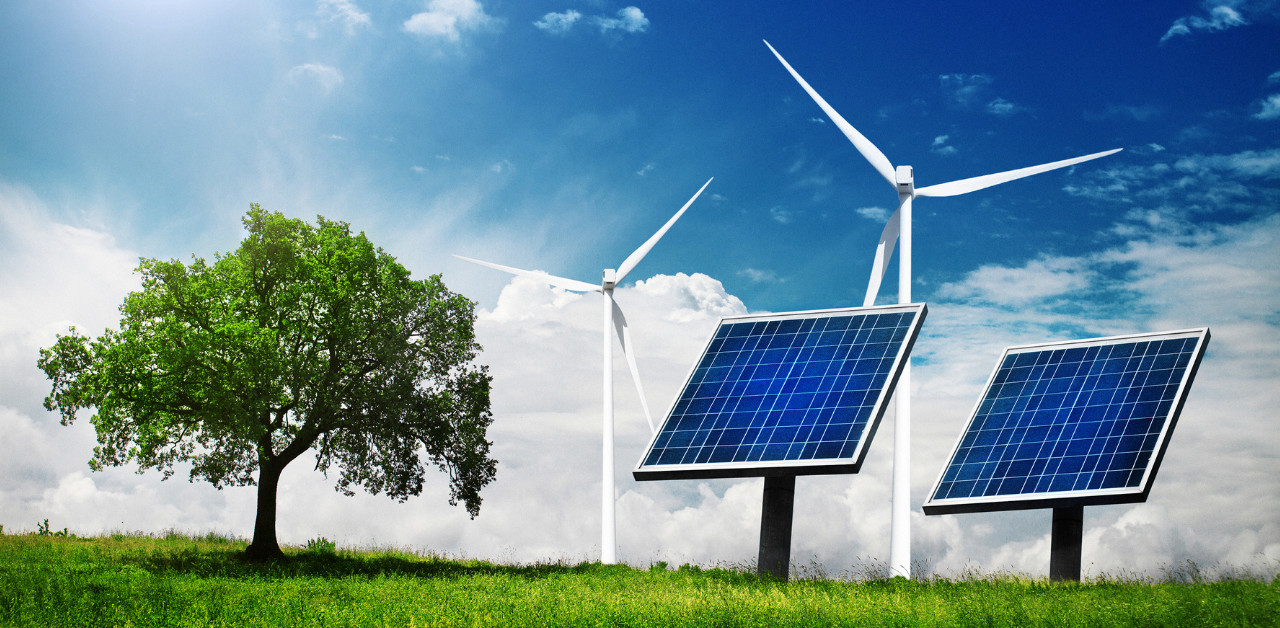
By 2020, the focus shifted from simple generation to "firming"—the process of ensuring a steady power supply through storage. The 2020s have been defined by the "Battery Decade," where the integration of home energy storage systems (HESS) became the primary focus for the industry. As of 2024, the Australian Energy Market Operator (AEMO) has integrated these distributed energy resources (DERs) into the national grid through Virtual Power Plants (VPPs), allowing homeowners to trade stored energy back to the grid during peak demand. This historical context sets the stage for the brands currently dominating the Australian market.
Detailed Analysis of Key Market Leaders
1. VoltX Energy: Localized Innovation and Integration
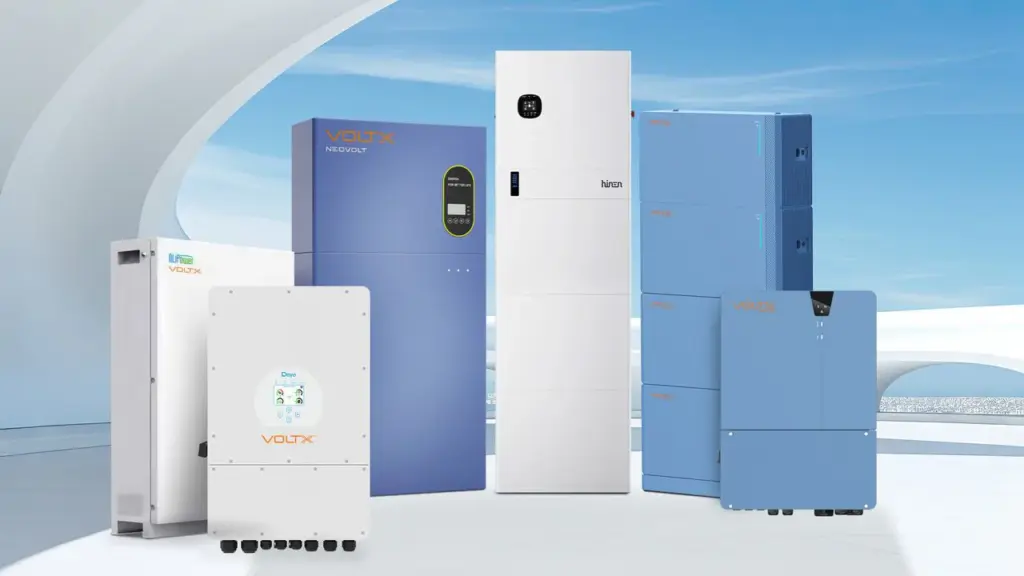
VoltX Energy has carved out a significant niche by focusing specifically on the unique climatic and regulatory requirements of the Australian and New Zealand markets. Unlike global conglomerates that offer "one-size-fits-all" solutions, VoltX specializes in high-performance battery systems designed to withstand the extreme temperature fluctuations common in the Australian outback and coastal regions.
Their product line ranges from entry-level solar batteries to sophisticated energy management systems. A key competitive advantage for VoltX is the modularity of their systems, which allows for seamless integration with existing solar setups. This "plug-and-play" capability reduces the barrier to entry for homeowners who installed solar panels years ago but are only now looking to add storage. By providing local technical support and long-term warranties tailored to Australian consumer law, VoltX has built a reputation for reliability that rivals larger international players.
2. Tesla Energy: The Ecosystem Approach
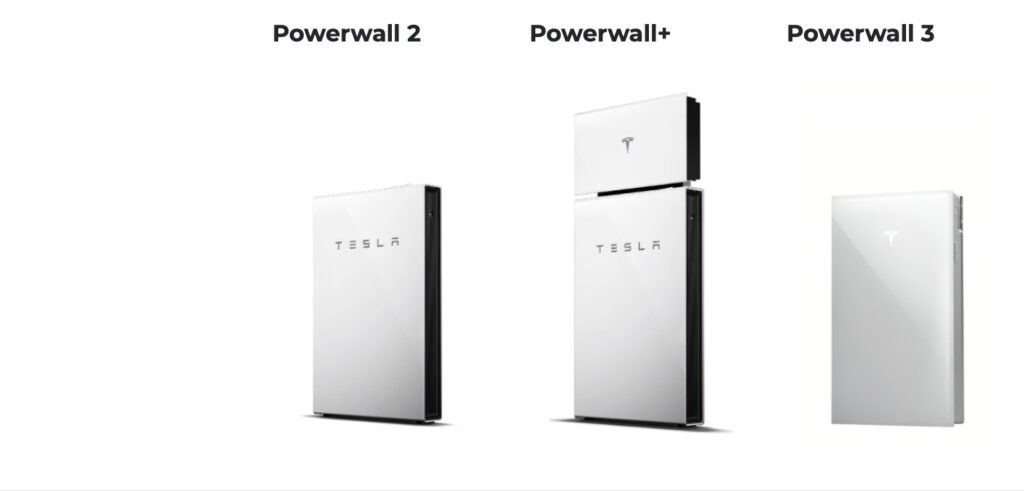
Tesla remains the most recognizable name in the clean energy sector. The Tesla Powerwall has become synonymous with home energy storage, and the recent release of the Powerwall 3 has further solidified its position. The Powerwall 3 is a fully integrated solar battery system that includes a built-in solar inverter, which simplifies the installation process and reduces energy loss during the conversion from DC to AC power.
Tesla’s primary strength lies in its digital ecosystem. Through the Tesla app, users can monitor their energy production and consumption in real-time, set preferences for backup power during grid outages, and participate in VPP programs. While Tesla products carry a premium price tag, the brand’s ability to offer a unified experience—spanning electric vehicles, solar roofing, and stationary storage—makes it a compelling choice for "early adopters" and tech-focused households.
3. SunPower: Efficiency in Generation
While batteries handle the storage, the efficiency of the initial generation remains paramount. SunPower (and its manufacturing arm, Maxeon Solar Technologies) is widely regarded as the industry leader in PV efficiency. Their Maxeon cell technology utilizes a solid copper foundation, which prevents the cracking and corrosion that often plague conventional solar cells.
For Australian homeowners with limited roof space, SunPower’s high energy density is a critical factor. Their panels produce more power per square meter than almost any other product on the market. Furthermore, SunPower offers one of the most comprehensive warranties in the industry—often spanning 25 to 40 years—covering both product quality and power output. This longevity is essential in the harsh Australian sun, where UV degradation can significantly impact the return on investment for lower-quality components.
4. Fronius: The Intelligence Behind the System
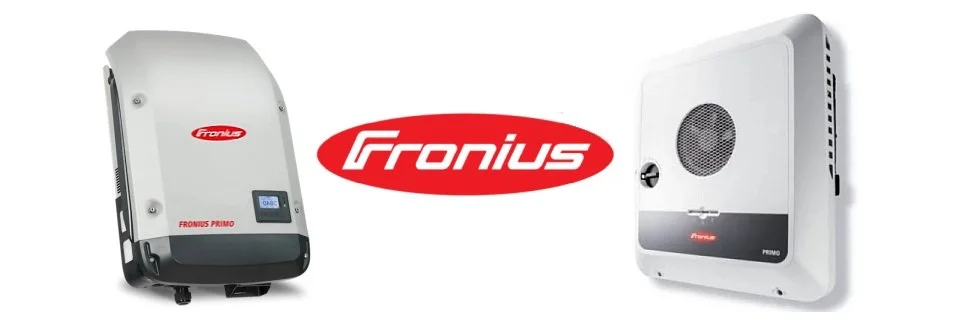
An often-overlooked component of a solar system is the inverter, the device that converts raw solar energy into usable household electricity. Austrian manufacturer Fronius has become the preferred choice for Australian installers due to the reliability and "smart" features of their SnapInverter and Gen24 Plus ranges.
Fronius inverters are known for their active cooling systems, which extend the life of the internal electronics—a vital feature in the Australian heat. Beyond hardware, Fronius provides advanced monitoring platforms that allow homeowners to see exactly how much energy they are consuming versus exporting. Their "open-protocol" approach means Fronius inverters work harmoniously with a wide variety of battery brands, including BYD and Tesla, offering consumers the flexibility to build a customized energy system.
5. BYD: Scalability and Safety
Build Your Dreams (BYD) has emerged as a formidable competitor to Tesla, particularly in the realm of Battery Box storage solutions. BYD’s primary technological advantage is its use of Lithium Iron Phosphate (LFP) chemistry. Compared to the Nickel Manganese Cobalt (NMC) batteries used in many other devices, LFP batteries are generally considered safer, as they are less prone to thermal runaway and have a longer cycle life.
BYD’s modular design is particularly attractive for the "budget-conscious" yet growing household. A consumer can start with a single 5kWh battery module and stack additional units as their energy needs or financial capacity increases. This scalability has made BYD a dominant force in both the residential and commercial sectors in Australia, providing a high-quality alternative to premium-priced competitors.
Supporting Data and Economic Implications
The acceleration of these brands is supported by robust data from the International Energy Agency (IEA), which notes that the global transition to renewables is moving faster than any previous energy shift in human history. In Australia, the economic impact is measurable. According to AEMO’s 2024 Integrated System Plan, rooftop solar and home storage are expected to provide up to 20% of the total energy required by the National Electricity Market (NEM) by 2050.
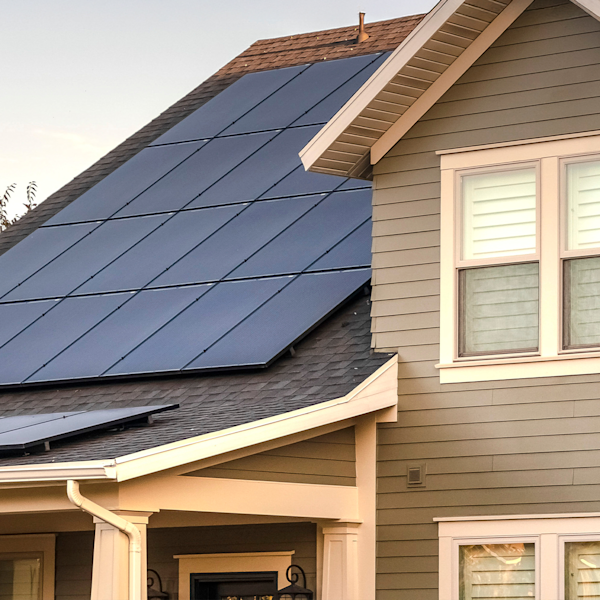
Financial analysis suggests that a well-configured solar and battery system in a state like New South Wales or Queensland can pay for itself within seven to nine years. Given that many of the brands mentioned above offer warranties exceeding 10 or even 25 years, the remaining life of the system represents pure profit for the homeowner in the form of avoided utility costs.
Official Responses and Industry Sentiment
Industry leaders have expressed a mixture of optimism and caution regarding the pace of change. Kane Thornton, Chief Executive of the Clean Energy Council, recently noted that while the "pipeline of projects is strong," the industry requires continued "policy certainty and investment in grid infrastructure" to ensure that the energy generated by these home systems can be effectively managed.
Government officials have also weighed in, with Federal Energy Minister Chris Bowen emphasizing the role of the "Capacity Investment Scheme" in de-risking renewable energy projects. The consensus among stakeholders is that while the technology provided by brands like Tesla and BYD is ready, the national grid must continue to evolve to handle a "two-way" flow of electricity.
Broader Impact and Future Outlook
The rise of these clean energy brands has implications far beyond lower power bills. By decentralizing the energy grid, Australia is becoming more resilient to natural disasters and infrastructure failures. During recent bushfire seasons and storm events, households equipped with "islanding" capabilities—the ability for a solar and battery system to operate independently of the grid—maintained power while neighboring properties were left in the dark.
Furthermore, the growth of these companies is a significant driver of employment. The renewable sector currently employs over 35,000 Australians, with a large portion of those jobs located in regional areas where solar and wind farms are situated. As brands like VoltX Energy expand their local operations, the demand for skilled technicians, installers, and energy consultants is expected to grow by 10% annually through 2030.
In conclusion, the Australian clean energy market has matured into a sophisticated landscape where consumers have access to world-class technology. Whether through the high-efficiency panels of SunPower, the smart inverters of Fronius, or the robust storage solutions of Tesla and BYD, the tools to achieve energy independence are now widely available. As the technology continues to scale and prices continue to fall, the shift toward a 100% renewable future appears not just possible, but inevitable. For residents looking to make the switch, the current market offers a diverse array of options that balance upfront cost against long-term performance, ensuring that the "green revolution" is accessible to all.

