


The Buddha taught that the ego mind that cherishes the self is the same mind that gives birth to the enlightened, or bodhi, mind. With awareness and discernment, this self-cherishing ego can become our reference for cherishing others. This is called sympathetic understanding. By first recognizing our own restless energy and intolerance, we can see how strong such habits can be. And we can develop a more sympathetic understanding of others who react in the same way.
This profound insight, articulated by Mindrolling Jetsün Khandro Rinpoche in her teachings, offers a transformative perspective on the human condition and the path to genuine compassion. Published on September 20, 2026, the article, "Sympathetic Understanding Born of Ego," presented in Tricycle magazine, delves into the intricate relationship between self-cherishing and the cultivation of empathy for all sentient beings. Rinpoche’s message emphasizes that the very mind we perceive as solely focused on self-preservation can, with mindful attention, become the fertile ground for universal kindness.
The core of Rinpoche’s teaching lies in the principle that acknowledging our own internal struggles—our restlessness, impatience, and tendency towards intolerance—is not a sign of weakness, but a crucial first step towards understanding others. By observing our own reactions, particularly those driven by the desire for personal happiness alone, we gain invaluable insight into the universal nature of these impulses. This introspective process, Rinpoche argues, allows us to recognize the same patterns in others, fostering a more nuanced and sympathetic outlook. Misguided tolerance, for instance, when examined within oneself, provides a direct reference point for understanding why others might exhibit similar behaviors. This self-awareness then expands outward, revealing that every sentient being, or drowa, experiences similar internal movements and motivations. From this foundation of sympathetic understanding, genuine compassion naturally arises.

In the context of Mahayana Buddhist teachings, compassion (karuna) is presented not merely as an emotional response but as a transformative force capable of dissolving intolerance. Rinpoche highlights that this transformation is a gradual process, deeply rooted in direct experience and rigorous introspection. Without this experiential dimension, compassion can easily become a superficial concept, a mere intellectual understanding rather than a lived reality. Terms like bodhichitta, the enlightened mind, if not explored through personal reflection, can remain abstract and detached from our lived experience, potentially leading to a dogmatic adherence to teachings rather than their authentic integration.
Rinpoche illustrates this point with a personal anecdote. After extensive periods of travel and teaching, she found herself frequently complaining to her teacher about challenges encountered with students and practitioners. Her teacher’s simple, yet profound, question – "Do you really like the people you work with?" – halted her in her tracks. This introspective inquiry revealed a startling truth: while she didn’t actively dislike them, she also didn’t particularly like them. This realization was a pivotal moment, underscoring the necessity of cultivating a sympathetic attitude before aspiring to universal compassion. The ability to recognize the shared experiences of all sentient beings, to appreciate the fundamental sameness of our hopes, fears, and struggles, became the essential stepping stone towards genuine empathy.
Developing this sympathetic attitude, which ultimately blossoms into profound compassion, begins with actively training the mind to truly see and listen to others. This involves looking beyond superficial appearances and delving into the deeper currents of their hopes, fears, anxieties, and insecurities. Rinpoche cautions against the modern societal tendency to prioritize outward presentation over inner substance. The relentless pursuit of a polished exterior, she notes, can blind us to the internal struggles of others, leading to a false sense of well-being based solely on appearances. This reliance on superficiality impedes the development of genuine sympathetic understanding and hinders our ability to truly grasp the nature of suffering.
Rinpoche further elaborates on the common misconception of understanding suffering. While personal experiences of illness, loss, or hardship are undeniably forms of suffering, they do not automatically equate to a comprehensive understanding of the manifold and diverse sufferings experienced by other sentient beings globally. The inherent nature of samsara, the cycle of existence, is often forgotten, replaced by an enchantment with superficial comforts and distractions. This fixation on pleasant experiences, like chasing bubbles, fuels intolerance towards others and creates a self-imposed isolation, preventing the expansion of the mind through deep, sympathetic understanding.

The Fourfold Path to Sympathetic Understanding
To cultivate this essential quality, Rinpoche outlines a practical, four-step approach, framed as an invitation to sympathetic understanding:
- Let sympathetic understanding knock. This initial step signifies the moment of recognition, the awareness that there is an opportunity to connect with another’s experience. It is the subtle nudge of our consciousness towards empathy.
- Open the door and let it enter. This involves actively choosing to engage with that recognition, allowing the nascent feeling of understanding to permeate our awareness. It requires a willingness to be receptive.
- Welcome it and allow it to rest. This step emphasizes the importance of not merely acknowledging but embracing the sympathetic feeling. It is about creating a space within our hearts and minds for this understanding to reside and take root.
- Aspire to hold sympathy for others within your heart. This culminates in a sustained intention, a heartfelt commitment to carrying this sympathetic understanding forward, making it an integral part of our inner landscape.
In practical terms, Rinpoche explains that when any thought or experience of empathy arises, it is crucial to fully open the doors of our heart and mind. This means allowing the sympathetic understanding to enter and reside, creating ample space to truly grasp what another sentient being is experiencing. Failure to do so, she warns, traps individuals in a "bubble of selfishness," a self-contained world inhabited only by oneself. In such a state, even extensive meditation practice may not yield genuine compassion, remaining merely an abstract idea devoid of transformative power.
True compassion, therefore, is born from allowing introspection and understanding to actively engage with our inner being. It is about welcoming this awareness as we would a cherished guest, allowing it to become comfortable and constant within our mindstream. This cultivated awareness then serves as the bedrock for a deeper comprehension of others’ desires for happiness and their yearning for freedom from suffering. This gradual process naturally facilitates the transition from self-cherishing to the cherishing of others, enabling us to navigate all life’s experiences with grace and kindness.
The Bodhisattva’s Path: Ego Transformed
The journey on the bodhisattva path, Rinpoche emphasizes, does not begin with the absence of ego. Instead, it involves transforming the inherent tendencies of the self-cherishing ego. By recognizing our own ego-driven motivations and patterns, we can begin to understand the similar propensities in all sentient beings. When the ego’s natural inclination to move towards perceived happiness is redirected, we learn to discern the causes of suffering and actively move towards genuine well-being for ourselves and others. This redirection of the mind’s energy is the essence of "training the mind."
This process, known as cultivating "aspiration bodhichitta," is the wish for the happiness of all sentient beings. Whenever we experience strong desires for happiness, fear of suffering, or navigate the spectrum of human emotions, these moments serve as potent opportunities to deepen our awareness of others. By recognizing the universality of these experiences, we lay the foundation for sympathetic understanding. When our own ego-cherishing becomes the reference point for cherishing others, we have embarked on the journey towards the bodhi mind—the mind of a bodhisattva.
Contemplation and the Blooming Lotus
Rinpoche concludes with a powerful analogy: just as a beautiful lotus emerges from muddy waters, our own self-cherishing ego can become the fertile ground for understanding others. The struggles we face with our own ego—our intolerance towards perceived threats to our happiness, our deeply felt hopes and fears—provide an invaluable lens through which to comprehend the similar experiences of all beings. By acknowledging the pain of not aligning our minds with true well-being, we can foster a profound connection with others who are on the same arduous journey.
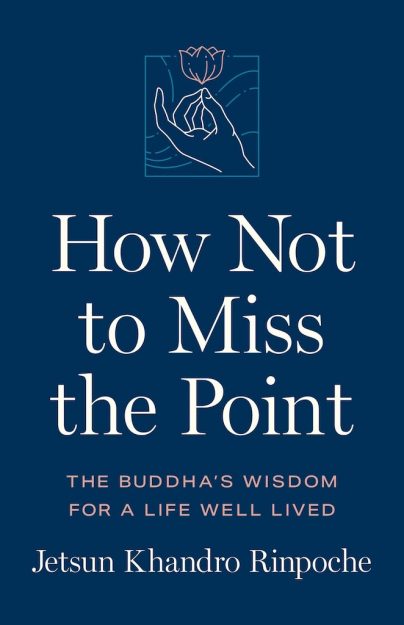
The principles articulated by Mindrolling Jetsün Khandro Rinpoche offer a practical and deeply insightful framework for navigating the complexities of human interaction and spiritual development. By reframing the often-maligned ego as a potential catalyst for universal compassion, she provides a path that is both accessible and transformative, encouraging a more profound and interconnected way of being in the world. Her teachings, extracted from her book "How Not to Miss the Point: The Buddha’s Wisdom for a Life Well Lived," serve as a timeless guide for cultivating genuine understanding and transforming personal struggles into a source of universal empathy.

