

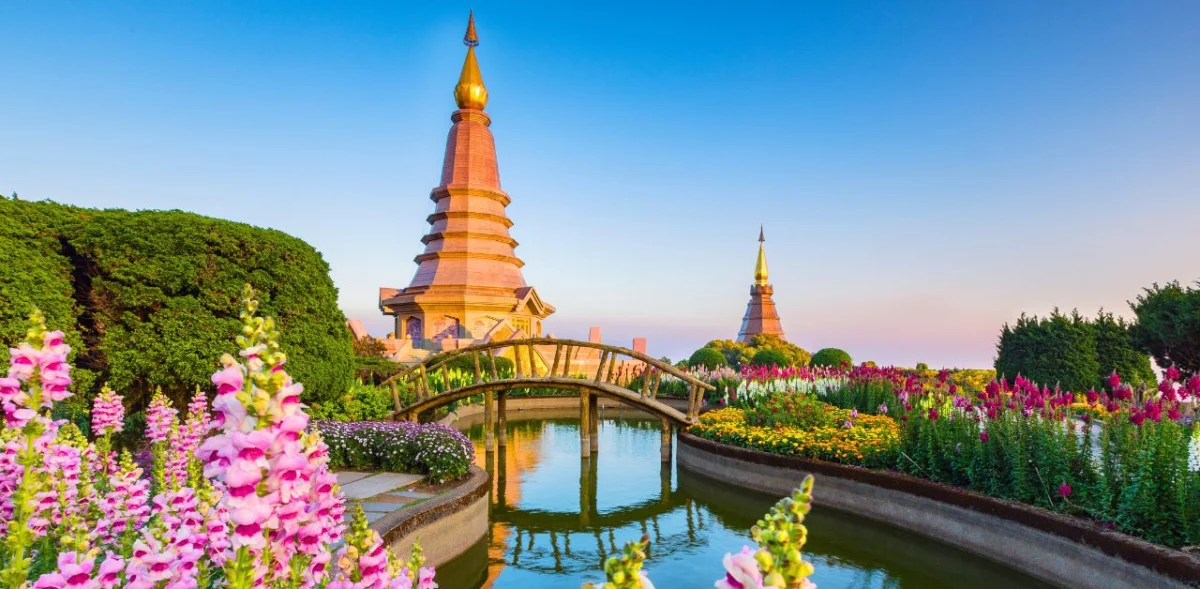
Thailand remains a cornerstone of Southeast Asian tourism, attracting millions of international visitors annually with its blend of ancient heritage, metropolitan energy, and ecological diversity. As the global travel industry shifts toward "slow travel" and premium experiences, the approach to navigating the Kingdom has evolved from budget-centric backpacking to sophisticated, comfort-oriented itineraries. By prioritizing seasonal timing, expert logistical management, and cultural literacy, travelers can engage with Thailand’s diverse landscapes—from the northern highlands to the southern archipelagos—without the logistical friction often associated with international transit.
Strategic Seasonal Planning and the Slow Travel Movement
The timing of a Thai expedition is the primary factor determining traveler comfort. Thailand’s climate is governed by a tropical monsoon system, which creates distinct regional variations. For the majority of the country, the "cool and dry" season spanning from November to February offers the most temperate conditions for sightseeing and outdoor recreation. During this period, humidity levels drop and average temperatures hover between 25°C and 30°C (77°F to 86°F), making urban exploration in Bangkok or hiking in the northern provinces significantly more manageable.

However, industry analysts and the Tourism Authority of Thailand (TAT) have increasingly advocated for the "Slow Travel" model. This philosophy encourages visitors to spend more time in fewer locations, facilitating a deeper connection with local communities. Rather than attempting to traverse the entire 513,120 square kilometers of the country in a single fortnight, experts suggest a focused approach. This reduces "transit fatigue" and allows for the discovery of localized nuances, such as neighborhood markets in Chiang Mai or hidden culinary gems in the backstreets of Bangkok’s Sukhumvit district.
The Role of Expert Logistics in Premium Tourism
The complexity of coordinating multi-city itineraries has led to a resurgence in the use of specialized travel consultants. Planning a comprehensive Thai vacation involves synchronized flight bookings, hotel reservations, and private tour arrangements. Firms such as Black Tomato have set a benchmark for luxury travel by offering "high-touch" service models. These services handle the "heavy lifting" of logistics, providing travelers with personalized itineraries that emphasize exclusivity and ease.
The integration of expert local guidance serves a dual purpose: it ensures seamless transitions between destinations and provides access to experiences that are often unavailable to the general public. This professional oversight is particularly valuable for travelers seeking to navigate the more remote regions of the country or those requiring specific accessibility accommodations. By outsourcing the administrative burden of travel, visitors can focus on the cultural and environmental assets of the destination, thereby enhancing the overall quality of the holiday.

Modernizing Transit: From Domestic Aviation to High-Speed Rail
Thailand’s transportation infrastructure has seen significant investment over the last decade, offering a variety of modes to suit different comfort levels. For long-distance travel, domestic aviation remains the most efficient option. Carriers such as Thai Airways, Bangkok Airways, and various low-cost subsidiaries connect major hubs like Phuket, Chiang Rai, and Koh Samui with the capital. This saves considerable time compared to overland routes, which can take upwards of 12 hours.
For those who prioritize scenery over speed, the State Railway of Thailand offers a more contemplative experience. While traditional trains provide a window into the pastoral heartlands, the introduction of newer rolling stock and the development of the Krung Thep Aphiwat Central Terminal (formerly Bang Sue Grand Station) signify a shift toward a more modern, comfortable rail experience. Furthermore, the rise of ride-hailing applications like Grab and Bolt has revolutionized urban transit. These platforms eliminate language barriers and price negotiations, providing a transparent and secure method for navigating congested cities. For families and small groups, private chauffeured transfers remain the gold standard for comfort, offering door-to-door service and climate-controlled environments.
Hospitality Trends: Sustainability and Strategic Location
Accommodation choices in Thailand have expanded to include a wide array of wellness retreats, luxury boutiques, and eco-certified resorts. When selecting a base of operations, location is the critical variable. Centrally located hotels in metropolitan areas reduce commute times to major landmarks, whereas coastal resorts are increasingly judged by their proximity to secluded beaches and their adherence to environmental standards.

A significant trend in the Thai hospitality sector is the move toward sustainability. The "Green Leaf" certification and other global eco-standards are now frequently used by discerning travelers to vet their choices. Reading peer-reviewed assessments and professional travel blogs provides a nuanced view of an establishment’s service quality and ethical footprint. A well-chosen accommodation does more than provide a place to sleep; it acts as a sanctuary, offering high-end amenities, authentic cuisine, and a staff capable of facilitating local interactions.
Cultural Etiquette and the Ethics of Respect
Navigating Thailand with "assurance and respect" is essential for a harmonious experience. Thai society is built on a foundation of deep-seated traditions and social hierarchies. Familiarity with local customs—such as the "Wai" (the traditional greeting involving a slight bow with palms pressed together)—can significantly improve interpersonal interactions.
Temple etiquette is particularly strictly enforced. Visitors must dress modestly, covering shoulders and knees, and are required to remove their footwear before entering any sacred space. Furthermore, the head is considered the most sacred part of the body, while the feet are seen as the lowest; pointing one’s feet at people or religious icons is considered a grave insult.

Language also plays a role in comfortable travel. While English is widely spoken in tourist hubs, learning basic Thai phrases—such as "Sawadee-ka/krap" (Hello) and "Khop-khun-ka/krap" (Thank you)—demonstrates respect for the local culture. This effort is usually met with genuine appreciation, often leading to more authentic and hospitable exchanges with residents.
Conservation and Natural Heritage: Key Destinations
Thailand’s commitment to preserving its natural assets is evident in its extensive national park system. These areas offer some of the most profound travel experiences for nature enthusiasts.
Khao Yai National Park: A Biodiversity Stronghold
Established in 1962 as Thailand’s first national park, Khao Yai is a centerpiece of the UNESCO-listed Dong Phayayen-Khao Yai Forest Complex. Covering over 2,000 square kilometers, it is the third-largest park in the country. The park’s ecosystem supports a vast array of wildlife, including one of the last remaining populations of wild Asian elephants in the region.

Tourism in Khao Yai has moved toward a more ecological model, with nighttime wildlife "spotting" tours and guided hikes that emphasize conservation education. The park is home to roughly 800 species of fauna, including the endangered pileated gibbon and the vulnerable Asiatic black bear. The preservation of this corridor is vital for the survival of these species, and the revenue generated from responsible tourism directly supports anti-poaching and habitat restoration efforts.
Ang Thong Marine National Park: An Archipelago of Discovery
In the Gulf of Thailand, Ang Thong Marine National Park comprises 42 islands characterized by dramatic limestone karsts and hidden lagoons. This protected area covers 102 square kilometers, of which only about 18 square kilometers is land. The park is a prime example of successful marine management, balancing the influx of day-trippers from Koh Samui with the need to protect coral reefs and seagrass beds.
Travelers can explore the park via long-tail boats or speedboats, with activities ranging from kayaking to snorkeling. For those seeking a more immersive experience, the park offers basic eco-bungalows, allowing visitors to experience the archipelago after the day-tour crowds have departed. The climb to the park’s main viewpoint provides a panoramic perspective of the "Emerald Lake" (Thale Nai), a saltwater lagoon enclosed by cliffs, highlighting the geological uniqueness of the region.

The Gibbon Rehabilitation Project: Ethical Wildlife Tourism
The Gibbon Rehabilitation Project (GRP) in Phuket serves as a critical case study in ethical animal welfare. Since its inception in 1992, the project has focused on rescuing white-handed gibbons that were illegally poached for the "photo-prop" trade. These primates, known for their complex social structures and vocalizations, are often subjected to trauma in captivity.
The GRP’s mission is twofold: rehabilitation and reintroduction. While the "Rehabilitation Site" is open to the public for educational purposes, the "Release Site" remains strictly off-limits to minimize human contact, ensuring the animals can successfully transition back to the wild. This project underscores the importance of "responsible tourism"—encouraging visitors to support conservation initiatives rather than activities that exploit wildlife for entertainment.
Analysis of Broader Impacts and the Future of Thai Travel
The shift toward comfort-driven and slow travel in Thailand reflects a broader global trend toward "quality over quantity." For the Thai economy, which relies on tourism for approximately 12% to 20% of its GDP (pre-pandemic levels), the transition to high-value tourism is a strategic necessity. By attracting visitors who stay longer and spend more on curated, ethical experiences, the country can mitigate the environmental degradation associated with mass "over-tourism."

Furthermore, the emphasis on slow travel fosters economic decentralization. When travelers spend time in secondary provinces or rural districts, the economic benefits of tourism are distributed more equitably among local communities. This supports the preservation of traditional crafts, local culinary heritage, and regional languages.
In conclusion, exploring Thailand in comfort is not merely a matter of luxury; it is an exercise in intentionality. By aligning travel plans with the seasons, utilizing professional logistics, choosing sustainable accommodations, and respecting the cultural fabric of the nation, visitors can experience the "Land of Smiles" in a way that is both personally enriching and socially responsible. As Thailand continues to modernize its infrastructure while guarding its ancient traditions, it remains a premier destination for those seeking the perfect balance of adventure and ease.

