

The long-heralded benefits of Vitamin C for skin health are receiving renewed scientific validation, with a recent study published in the Journal of Investigative Dermatology illuminating a profound connection between dietary intake and the visible quality of skin. For years, beauty editors, dermatologists, and consumers alike have championed Vitamin C as a cornerstone ingredient in skincare regimens. However, this latest research suggests that the most impactful pathway to achieving radiant, resilient skin may lie not just in topical application, but fundamentally within our daily diets.
The study, conducted by researchers at the University of Otago, meticulously examined the journey of Vitamin C from ingested food into the skin’s various layers. The findings reveal a direct, measurable relationship between the amount of Vitamin C consumed and the resulting improvements in skin thickness, firmness, and overall health. This research adds significant weight to the growing understanding that internal nutrition plays a pivotal role in external appearance, particularly concerning skin integrity.
The Enduring Significance of Vitamin C in Skin Physiology
Vitamin C, also known as ascorbic acid, has long been recognized for its potent antioxidant properties. As a powerful free radical scavenger, it plays a critical role in neutralizing oxidative stress, a primary driver of cellular damage and the aging process. Beyond its protective functions, however, Vitamin C’s involvement in collagen synthesis has cemented its status as an indispensable nutrient for skin. Collagen, a structural protein, is the foundation of skin’s firmness, elasticity, and resilience. Without adequate Vitamin C, the body’s ability to produce and maintain this vital protein is significantly compromised.
This fundamental biological process underscores why Vitamin C has been a consistent recommendation in dermatological and aesthetic circles. Its dual action – protecting against environmental aggressors and facilitating essential structural repair – makes it a critical component for maintaining youthful-looking and healthy skin.
Groundbreaking Study Reveals the Power of Dietary Vitamin C
The recent investigation into the efficacy of dietary Vitamin C offers a new perspective on its application. Researchers specifically focused on understanding how orally consumed Vitamin C influences skin health at a cellular level. Their methodology involved detailed analysis of how Vitamin C, absorbed through the digestive system, circulates through the bloodstream and subsequently permeates the skin.
A key revelation from the study is the remarkably strong correlation observed between the levels of Vitamin C in an individual’s blood plasma and the concentration of the nutrient within the skin itself. Lead author Margreet Vissers, PhD, a professor at the University of Otago’s Redox Biology Research Group, expressed surprise at the tightness of this association. "We were surprised by the tight correlation between plasma Vitamin C levels and those in the skin," Dr. Vissers stated in a related press release. "Compared to other organs previously studied, the skin showed a uniquely strong response to dietary Vitamin C. We are the first to demonstrate that Vitamin C in the blood circulation penetrates all layers of the skin and is associated with improved skin function."
This finding is particularly significant as it demonstrates that Vitamin C consumed through food is not only absorbed but is actively transported and utilized by all epidermal and dermal layers. This internal delivery mechanism bypasses the limitations often encountered with topical application, where the skin’s natural barrier can impede deep penetration.
Quantifying the Impact: How Much Vitamin C is Needed?
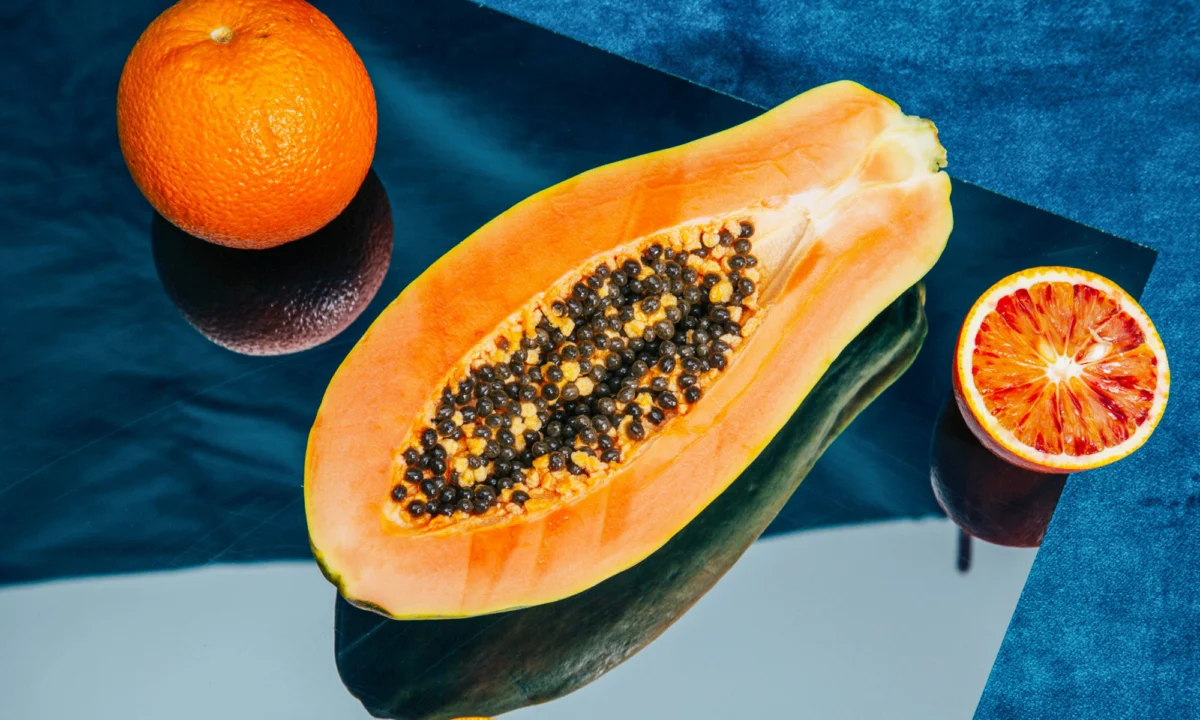
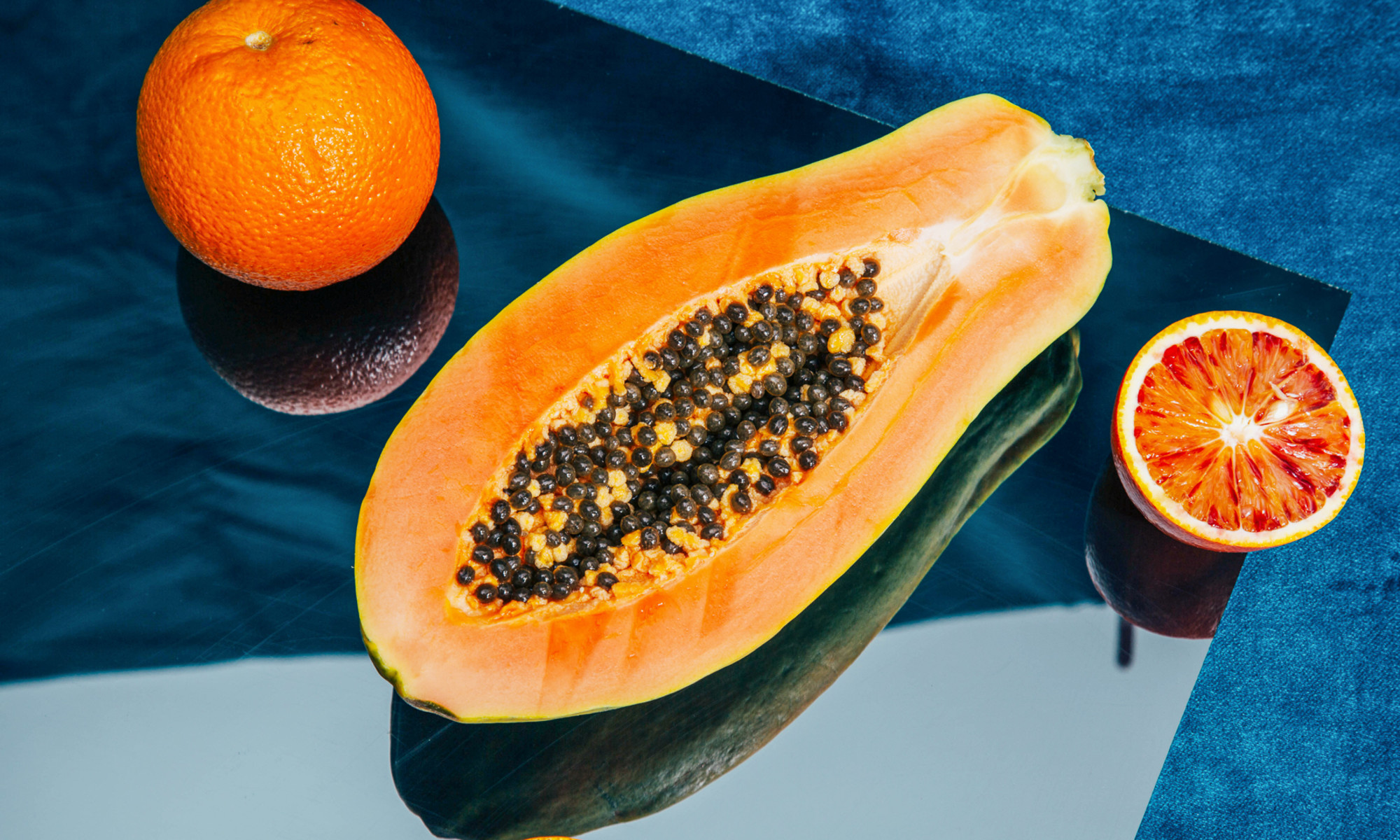
The study utilized kiwifruit as a model food due to its consistent and easily quantifiable Vitamin C content. However, the researchers anticipate similar benefits from a broad spectrum of Vitamin C-rich foods. These include, but are not limited to, citrus fruits such as oranges and grapefruits, various berries like strawberries and blueberries, bell peppers, broccoli, and a variety of dark leafy green vegetables.
The study’s findings suggest an optimal daily intake target of at least 250 milligrams (mg) of Vitamin C. This recommendation is crucial for achieving measurable improvements in skin health. It is important to note that Vitamin C is a water-soluble vitamin and is not stored long-term in the body. Consequently, blood levels of Vitamin C fluctuate daily, directly mirroring recent dietary intake. This highlights the importance of consistent, daily consumption of Vitamin C-rich foods to maintain optimal levels within the skin.
For individuals who may struggle to meet these dietary requirements through food alone, or for those seeking an additional boost, Vitamin C supplements can serve as a valuable adjunct. These can be found as standalone Vitamin C formulas or incorporated into broader nutritional supplements. The research team also noted that formulations combining Vitamin C with other beneficial compounds, such as collagen peptides, hyaluronic acid, and Vitamin E, could further enhance its efficacy in supporting skin health and collagen synthesis.
Dietary Vitamin C vs. Topical Application: A Matter of Delivery and Form
The distinction between dietary and topical Vitamin C is critical for understanding their respective roles in skin health. While topical Vitamin C serums and creams can offer surface-level protection and contribute to a brighter complexion, their ability to penetrate deeply into the dermis, where collagen production is most active, is often limited by the stratum corneum, the outermost layer of the epidermis.
In contrast, Vitamin C ingested through food enters the bloodstream, a sophisticated delivery system that circulates throughout the entire body, including all layers of the skin. The study’s findings indicate that the skin actively prioritizes this internally supplied Vitamin C, efficiently absorbing it from circulation and distributing it to where it is most needed for collagen synthesis and cellular repair.
This research does not negate the benefits of topical Vitamin C entirely. Instead, it reframes expectations. Topical applications can be viewed as providing a supportive role, offering antioxidant protection and contributing to surface-level improvements. However, the foundational strength and long-term integrity of the skin appear to be more profoundly influenced by internal nutrition. Therefore, a holistic approach that integrates a diet rich in Vitamin C with targeted topical treatments is likely to yield the most comprehensive results.

Broader Implications for Skin Health and Aging
The implications of this study extend beyond cosmetic concerns, touching upon the broader understanding of skin aging and health maintenance. As the global population ages, there is an increasing demand for scientifically validated strategies to promote healthy aging, and skin health is a significant component of this. This research provides a clear, evidence-based recommendation for consumers seeking to proactively manage the signs of aging and improve their skin’s resilience.
The affordability and accessibility of Vitamin C-rich foods make this a highly practical and democratized approach to skincare. Unlike expensive topical treatments or invasive procedures, incorporating more fruits and vegetables into one’s diet is a straightforward, cost-effective, and sustainable strategy.
Furthermore, this study contributes to the growing body of evidence that links overall health to visible skin appearance. It reinforces the concept that what we consume has a direct and measurable impact on our body’s structure and function, from the inside out. This holistic perspective on health and beauty is gaining traction, and this research serves as a potent example of its scientific backing.
Future Directions and Expert Commentary
The findings from the Journal of Investigative Dermatology are expected to influence future research in dermatology and nutrition. Scientists may explore the precise mechanisms by which different forms of Vitamin C are absorbed and utilized by skin cells, as well as investigate optimal dosages and food combinations for maximum benefit. Clinical trials focusing on long-term dietary interventions and their impact on skin aging biomarkers are also anticipated.
While direct commentary from the study’s authors on the implications for the beauty industry was not extensively detailed in the initial release, the scientific community generally acknowledges the transformative potential of such findings. Experts in dermatology and nutrition are likely to integrate these insights into their patient and client recommendations, emphasizing the foundational role of diet in achieving and maintaining healthy skin.
In conclusion, the message from this latest research is clear and empowering: to achieve firmer skin, support robust collagen production, and enhance long-term skin function, the contents of your grocery cart are as critical as the contents of your skincare cabinet. This scientifically validated strategy offers a simple, accessible, and profoundly effective path towards healthier, more resilient skin in 2026 and beyond.

