

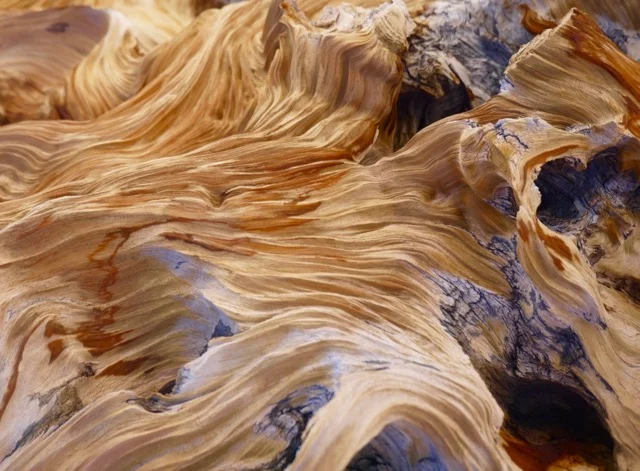
For the past eighteen months, a profound dialogue has unfolded between the ecopsychology community and David Malinsky, a writer, photographer, and ardent nature enthusiast. Malinsky’s passion is particularly ignited by the Great Basin Bristlecone Pines, ancient trees he affectionately refers to as "Old Friends in High Places." This article delves into the essence of Malinsky’s unique perspective, offering a glimpse into the profound beauty and philosophical insights he uncovers during his explorations of these venerable arboreal beings. His reflections, shared through correspondence, invite a deeper contemplation of our connection with nature and the unfolding of our own identities.
A Glimpse into the Wisdom of the Ancients
Malinsky’s communications are not mere observations; they are invitations to consider the world through a lens of deep ecological awareness and personal introspection. One particularly resonant passage from his recent exchanges encapsulates this ethos:
"Daring to take a path towards what may be unknowable can be among the most noble pursuits of the human spirit. Known targets bring tangible opportunities for achievement, but also limitations; even a well-aimed arrow is forced to halt its arc, having reached a bullseye. Allow the arrow to be what it is, a tool for a particular purpose, but after your fingers release the bowstring do not let the confines of the arc define you. It was what you did, but only a small piece of who you are. Without narrowing the focus on the bullseye, there can be so much to see, much that will be missed if our sights are too confined. You do not have to reduce all of this to a single place; there is room in your consciousness for all of it, if you allow it in."
This evocative metaphor underscores a central theme in Malinsky’s work: the importance of embracing the journey of discovery over the singular pursuit of predefined goals. He suggests that true growth and understanding emerge when we venture beyond the easily attainable, allowing for the unexpected to shape our experience and identity. The Great Basin Bristlecone Pines, with their extreme longevity and resilience in harsh environments, serve as potent symbols of this philosophy.
The Bristlecone Pine: A Living Chronicle of Earth’s History
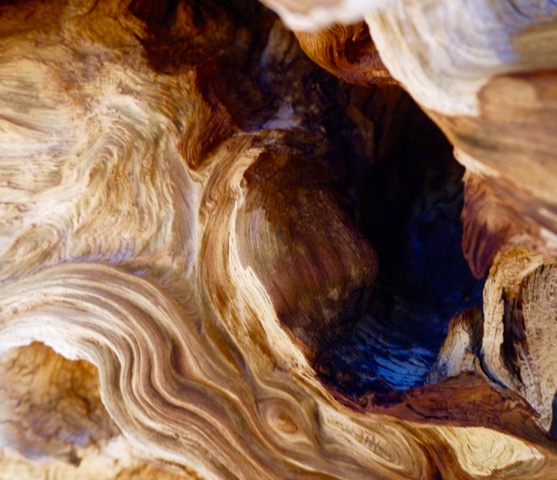
The Great Basin Bristlecone Pine (Pinus longaeva) is a species of coniferous tree found in the higher mountains of the Southwestern United States. These trees are renowned for their extraordinary lifespan, with many individuals living for thousands of years. The oldest known non-clonal organism, "Methuselah," is a Great Basin Bristlecone Pine located in the White Mountains of California, estimated to be over 4,850 years old. Another specimen, "Prometheus," was discovered to be even older, over 4,900 years, before its unfortunate felling in 1964 for research purposes.
These ancient trees are not merely biological marvels; they are living archives of Earth’s climatic history. By studying their growth rings, scientists can reconstruct past temperature and precipitation patterns, providing invaluable data for understanding long-term climate change. The resilience of these pines, thriving in arid, windswept conditions at high altitudes where other vegetation struggles to survive, speaks to an incredible adaptability honed over millennia. Their gnarled, twisted forms, sculpted by relentless wind and harsh elements, are testaments to their enduring strength and their ability to eke out existence in seemingly inhospitable landscapes.
A Path of Becoming: The Intertwined Journey of Self and Nature
Malinsky’s reflections extend this contemplation of endurance and adaptation to the human experience:
"It is in taking a path beyond established targets that you begin the journey of yourself, a path whose first steps may appear as though on the way to a ‘Where,’ but as you venture will almost magically turn into as much a ‘Who,’ person and place becoming one. When you feel something inside of yourself growing with each step, and your developing senses appreciating what surrounds the path even more, then you are on the verge of the most important discovery you can make, and any notions of maps can be discarded. Your path has no end, for both you and Nature are constantly evolving, and it is in that trust of Nature that you can place yourself, and explore the labyrinths ahead filled with the joy of anticipation, instead of trepidation."
This sentiment suggests that the pursuit of external goals, while a part of life, should not overshadow the internal journey of self-discovery. The "path beyond established targets" implies venturing into the unknown, a process that, for Malinsky, leads to a profound integration of self and environment. The notion of "person and place becoming one" resonates deeply with ecopsychological principles, which emphasize the interconnectedness of human well-being and the health of the natural world. As we engage with nature, we not only observe its wonders but also, in a sense, become part of its ongoing narrative. The appreciation for the surrounding environment, growing with each step, signifies an awakening of senses and a deepening connection that transcends mere observation.
The discarding of "notions of maps" is a powerful metaphor for letting go of rigid expectations and predetermined outcomes. It encourages a surrender to the process, a trust in the unfolding of life’s journey. The idea that "your path has no end, for both you and Nature are constantly evolving" highlights a dynamic and continuous process of growth. This perspective shifts the focus from a finite destination to an infinite exploration, fostering a sense of joy and anticipation rather than fear when facing the unknown.
Embracing the Darkness: Illumination Through Openness
Malinsky’s philosophical insights culminate in a profound understanding of adversity and the unknown:
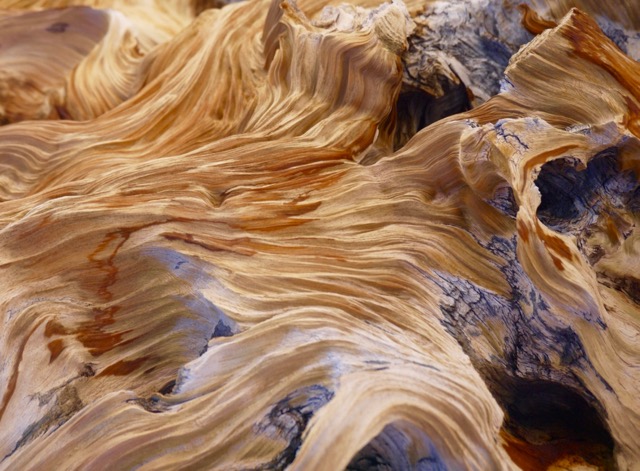
"Once you develop that trust, both of Nature and of yourself, when you come across what appears to be a darkness you do not fear. That darkness is only a place that is currently without illumination, and should you venture forward with an open spirit, your path may well take you to where it was intended to all along – the place where it is you that are the light."
This passage offers a powerful reframing of challenges and uncertainties. Instead of viewing "darkness" as an endpoint or a threat, Malinsky posits it as a state of being "without illumination." This perspective shifts the responsibility and agency back to the individual. By approaching these moments with an "open spirit," one can actively bring light to the situation, transforming perceived obstacles into opportunities for personal growth and revelation. The ultimate destination, in this view, is not a fixed point but a state of being where one embodies the "light." This speaks to the transformative power of resilience, adaptability, and a deep-seated trust in one’s own inner capacity and the natural world’s inherent wisdom.
The Significance of David Malinsky’s Work
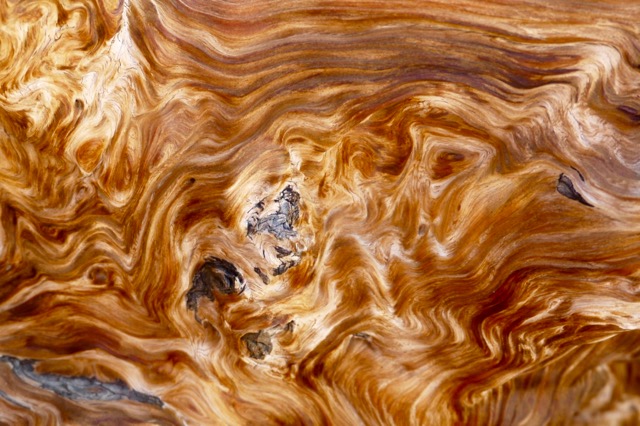
David Malinsky’s writings and photographs of Great Basin Bristlecone Pines offer more than just aesthetic appreciation; they serve as a potent reminder of the enduring wisdom embedded in the natural world. His work encourages a shift in perspective, urging us to move beyond conventional goals and embrace the transformative power of the unknown. By drawing parallels between the resilience of these ancient trees and the human journey of self-discovery, Malinsky provides a framework for navigating life’s complexities with greater trust, openness, and anticipation.
His invitation to join his listserve, extending the opportunity for dialogue and shared reflection, underscores the communal aspect of this exploration. In an era often characterized by disconnection, Malinsky’s efforts foster a sense of belonging and shared inquiry into our relationship with nature and ourselves. The Great Basin Bristlecone Pines, standing as silent witnesses to millennia of change, offer profound lessons in perseverance, adaptation, and the interconnectedness of all life. Malinsky’s art and philosophy serve as a vital bridge, translating these ancient lessons into a contemporary language of personal growth and ecological consciousness.
Broader Implications and Future Perspectives
The insights shared by David Malinsky resonate with a growing body of research in ecopsychology and environmental psychology. Studies have consistently demonstrated the positive impacts of nature exposure on mental health, cognitive function, and overall well-being. The concept of "biophilia," the innate human tendency to connect with nature, is increasingly recognized as fundamental to our psychological and physical health. Malinsky’s emphasis on the journey of self-discovery within natural landscapes aligns perfectly with these principles.
The implications of Malinsky’s perspective extend beyond individual well-being. By fostering a deeper appreciation for the natural world and our interconnectedness with it, his work can contribute to a more profound sense of environmental stewardship. When individuals feel a personal connection to ancient and resilient ecosystems like those inhabited by bristlecone pines, they are more likely to advocate for their protection and preservation.
The ongoing dialogue that Malinsky cultivates serves as a model for how art, nature observation, and philosophical inquiry can converge to inspire meaningful change. As climate change continues to present unprecedented challenges, the resilience and adaptability exemplified by species like the Great Basin Bristlecone Pine, and the wisdom derived from observing them, become increasingly vital. Malinsky’s work offers a beacon of hope, suggesting that by embracing the unknown, trusting in nature, and cultivating our inner light, we can navigate the complexities of our evolving world with grace and anticipation. The ongoing correspondence and the community it fosters represent a valuable contribution to understanding our place within the grand, evolving tapestry of life.

