

Fifty million Americans are currently living with arthritis, a chronic condition that significantly impacts quality of life and is a leading cause of disability. Among the various forms of arthritis, osteoarthritis of the knee stands out as the most prevalent, affecting a substantial portion of the population. The complex inflammatory pathways that drive the onset and progression of these debilitating diseases have spurred extensive research into dietary and therapeutic interventions. While certain foods, such as strawberries and cherries, have shown promise in modulating inflammatory markers, their direct clinical impact on arthritis symptoms, particularly osteoarthritis of the knee, has yielded mixed results. This has led researchers to explore a wider range of natural compounds, with recent findings highlighting the potential of topical olive oil as a surprisingly effective alternative to conventional pharmaceutical treatments.
Examining the Landscape of Arthritis Management
The search for effective arthritis management strategies has a long history. For decades, non-steroidal anti-inflammatory drugs (NSAIDs), including ibuprofen and its derivatives, have been a cornerstone of treatment for osteoarthritis and rheumatoid arthritis, offering symptomatic relief by reducing inflammation and pain. However, these medications are not without their drawbacks, including potential gastrointestinal, cardiovascular, and renal side effects, especially with long-term use. This has created a persistent demand for safer and equally effective alternatives.
In parallel, the field of nutritional science has investigated the role of various foods in modulating inflammation. For instance, research has explored the impact of berries on inflammatory mediators. Studies have indicated that strawberries can lower circulating levels of tumor necrosis factor (TNF), a key inflammatory cytokine implicated in arthritis. However, translating these biochemical changes into tangible clinical improvement has been a challenge. Similarly, while cherry juice has been shown to reduce markers like C-reactive protein (CRP), a general indicator of inflammation, its efficacy in alleviating pain and other symptoms associated with knee osteoarthritis has been inconclusive. Some studies have reported symptom relief with cherry juice, but when compared to a placebo, the benefits were often no greater than a placebo effect, suggesting that the observed improvements might be due to the expectancy of benefit rather than the juice itself. While cherries may offer benefits for other forms of arthritis, such as gout, their utility for osteoarthritis remains a subject of ongoing investigation.

Conversely, some dietary interventions have demonstrated more direct analgesic effects. A randomized, double-blind, crossover trial involving dietary strawberries revealed a significant analgesic effect, leading to a notable decrease in pain levels. This finding is particularly noteworthy when contrasted with the high cost and potential severe side effects associated with some advanced anti-inflammatory therapies. For example, TNF inhibitor drugs, while potent, can carry an annual cost of approximately $40,000 and are associated with serious adverse events, including an increased risk of certain lymphomas. The stark contrast in cost and safety profiles between such pharmaceuticals and readily available foods like strawberries underscores the importance of exploring natural remedies.
Further research has delved into the mechanisms by which certain foods exert their anti-inflammatory effects. Studies involving berry consumption, such as blueberries and strawberries, have shown that their intake can lead to reduced inflammation when blood samples from participants are applied to cells in laboratory settings. This effect appears to be dose-dependent and may increase over time with consistent consumption, suggesting a cumulative benefit.
Investigating the Potential of Olive Extracts and Olive Oil
The Mediterranean diet, rich in olive oil, has long been associated with various health benefits, prompting scientific inquiry into its specific components. Research has explored the impact of olive extracts on inflammatory processes. In one study, researchers in France collected cartilage from knee replacement surgeries and exposed it to blood samples from volunteers who had consumed a high dose of grapeseed and olive extract. This exposure resulted in a significant reduction in inflammation within the cartilage samples. While human studies directly testing grapeseeds for arthritis have been limited, an olive extract has demonstrated its ability to decrease pain and improve daily activities in individuals suffering from osteoarthritis.
However, a critical distinction emerges when examining the form of olive-derived products. The beneficial effects observed in some studies may be linked to specific components of the olive plant that are not present in refined olive oil. For instance, a study demonstrating the anti-inflammatory effects of olive extract utilized freeze-dried olive vegetation water, which contains water-soluble components of the olive that are largely absent from olive oil itself. This suggests that the benefits observed are not necessarily attributable to the oil extracted from olives but rather to other constituents of the fruit or plant.

When actual olives are consumed, a reduction in inflammatory mediators has been observed. However, a systematic review and meta-analysis indicated that olive oil, when consumed as a dietary supplement, does not appear to offer significant anti-inflammatory benefits for arthritis. Claims of "remarkable anti-inflammatory activity" associated with extra virgin olive oil in some research have often been based on studies conducted on rodents, which may not directly translate to human physiology. In human trials, extra virgin olive oil has shown comparable or even inferior anti-inflammatory effects when compared to butter and coconut oil, respectively.
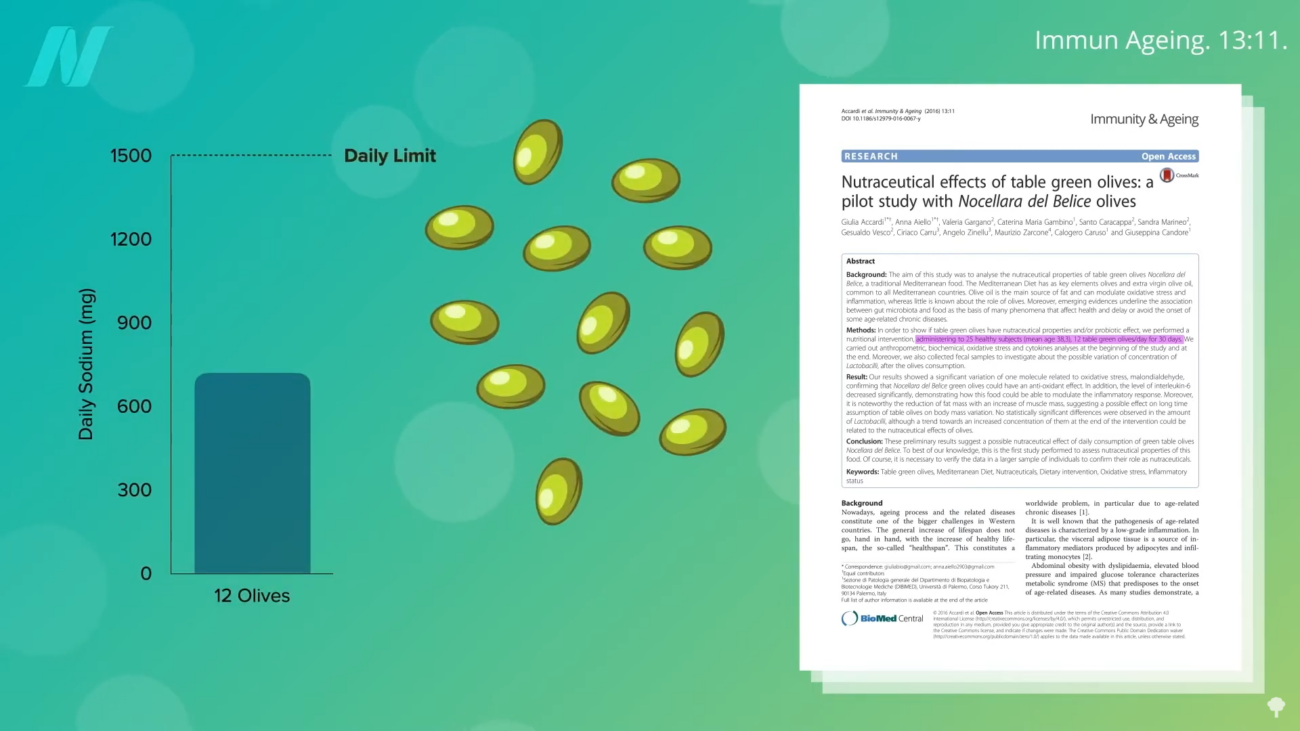
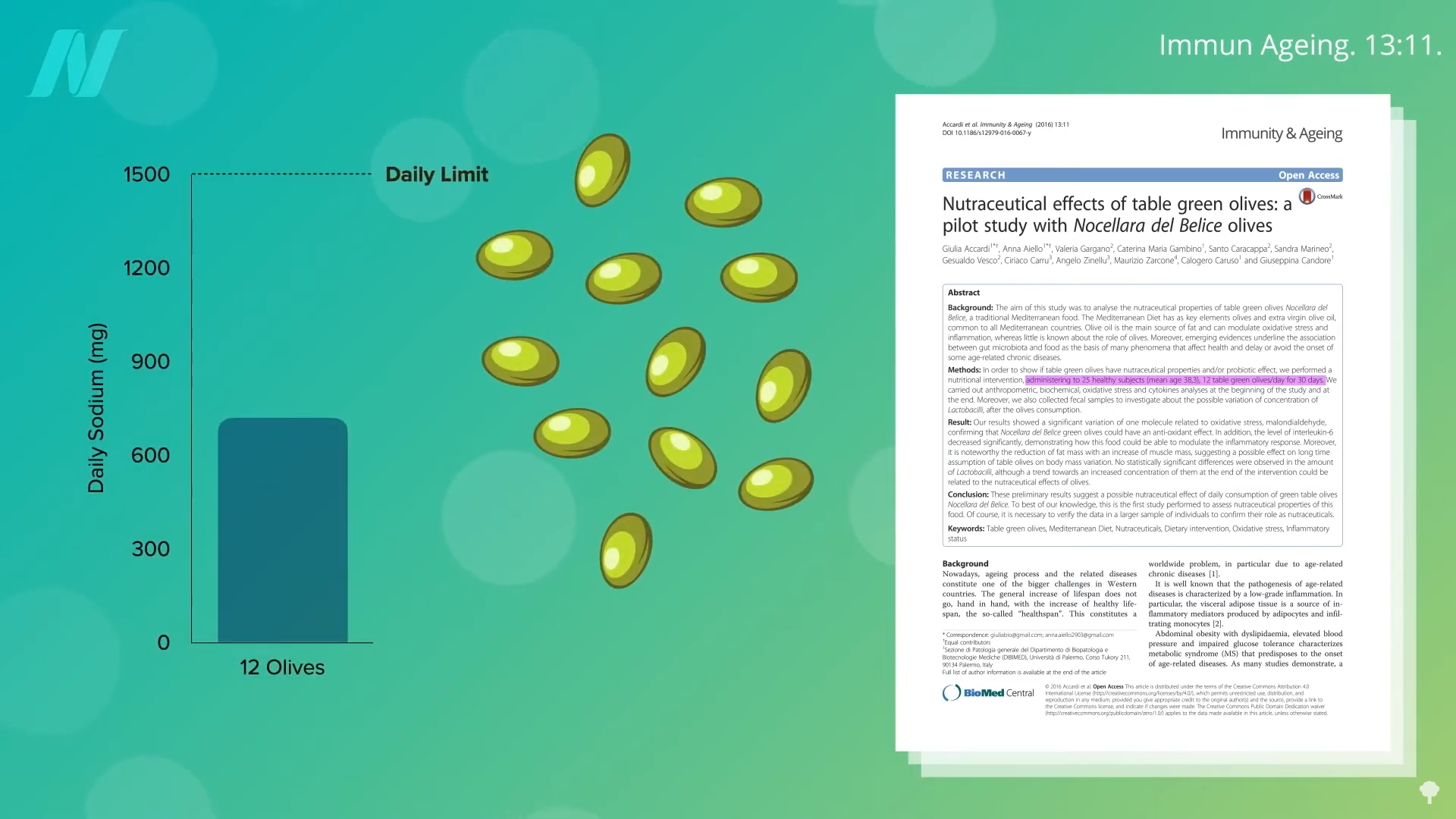
The high sodium content of olives also presents a dietary consideration. Consuming a dozen large green olives can account for nearly half of the recommended daily sodium intake, posing a challenge for individuals managing conditions where sodium restriction is advised.
Despite the limited evidence for oral consumption of olive oil in managing arthritis symptoms, its potential for topical application has garnered significant attention. While extra virgin olive oil has not shown consistent benefits for fibromyalgia symptoms, it has demonstrated efficacy in alleviating symptoms of inflammatory bowel disease when compared to canola oil. The intrigue surrounding olive oil’s role in arthritis management, particularly in light of its common inclusion in the Mediterranean diet, has driven investigations into its direct effects on joint inflammation and pain.
Landmark Study Compares Topical Olive Oil to Ibuprofen-Type Gel
A pivotal study designed to directly address the question of whether topical olive oil can compete with arthritis drugs was conducted, employing a rigorous scientific methodology. This randomized, double-blind, clinical trial pitted topical virgin olive oil against a gel formulation containing an ibuprofen-type drug, specifically for the treatment of osteoarthritis of the knee. The study aimed to ascertain the comparative efficacy of these two approaches in alleviating pain and improving function.

The trial involved participants diagnosed with osteoarthritis of the knee who were randomly assigned to receive either virgin olive oil applied topically or the ibuprofen-type gel. The dosage of olive oil was precisely measured, with participants applying approximately one gram of the oil, equivalent to less than a quarter teaspoon, three times daily. The cost-effectiveness of this intervention was also a key consideration, with the daily application of olive oil costing less than three cents.
The results of this clinical trial were striking. Topical virgin olive oil demonstrated significant superiority over the ibuprofen-type gel in reducing pain associated with knee osteoarthritis. Participants who applied olive oil reported a greater decrease in pain levels compared to those using the conventional drug. This finding suggests that a natural, inexpensive, and widely available substance can offer comparable, and in this instance, superior pain relief to a commonly prescribed pharmaceutical.
Analyzing the Implications and Future Directions
The implications of this research are far-reaching. The demonstration that topical virgin olive oil can outperform an ibuprofen-type drug in managing knee osteoarthritis pain offers a promising new avenue for patients seeking effective and safe relief. The low cost and minimal side effect profile of olive oil make it an attractive option, particularly for individuals who experience adverse reactions to NSAIDs or who prefer natural remedies.
The study’s design, being a double-blind, randomized clinical trial, lends significant weight to its findings. The double-blind nature ensured that neither the participants nor the researchers were aware of which treatment was being administered, minimizing the potential for bias. The randomization process further ensured that participants were allocated to treatment groups by chance, helping to balance any confounding factors.
The duration of the initial study was one month. While the results were significant within this timeframe, the researchers posed a pertinent question: could the anti-inflammatory and analgesic effects of olive oil continue to improve with longer-term application? This opens the door for future research to explore the sustained efficacy and potential cumulative benefits of topical olive oil over extended periods.
Furthermore, the study’s findings have been extended to investigate its effectiveness in managing morning inflammatory pain in individuals with rheumatoid arthritis. In a comparative study, researchers assessed the use of extra virgin olive oil against both a placebo (rubbing on nothing) and the standard ibuprofen-type gel. The results indicated that the decrease in disease activity scores among participants using olive oil was more pronounced than in the other groups, suggesting a broad applicability of topical olive oil across different forms of inflammatory arthritis.
While the current research focuses on topical application, the broader context of olive oil’s role in health continues to be explored. Investigations into its impact on artery function and its comparison with other dietary fats highlight the ongoing scientific interest in this versatile ingredient. However, the distinction between the benefits of whole olives, olive extracts, and olive oil itself remains crucial for accurate interpretation of research findings.
The success of topical virgin olive oil in clinical trials presents a compelling case for its integration into arthritis management protocols. Its accessibility, affordability, and demonstrated efficacy against a widely used pharmaceutical agent position it as a valuable therapeutic option. As research continues to unfold, the potential of natural interventions like topical olive oil to address chronic health conditions with greater safety and cost-effectiveness is becoming increasingly evident, offering hope and tangible benefits to millions suffering from arthritis.
