

A comprehensive review of scientific literature reveals a complex and sometimes surprising landscape regarding the impact of various nuts on male sexual and reproductive health. While some studies suggest potential benefits for erectile function and sperm quality, others highlight the need for more rigorous research and caution against overstating findings, particularly when industry funding is involved. The exploration of nuts’ effects extends from direct clinical observations to anecdotal reports of unusual and even hazardous scenarios involving "nuts" in a literal sense.
Early Promise: Pistachios and Erectile Function
The initial spark for this line of inquiry emerged in 2013 with a study that indicated a significant positive impact of pistachios on men suffering from erectile dysfunction (ED). The research, published in a peer-reviewed journal, involved participants who consumed 100 grams of pistachios daily for three weeks. The findings reported a marked improvement in erectile function among this group. This provided an early example of how a whole-food intervention could yield tangible clinical results, prompting further investigation into the broader category of nuts and their potential contributions to male reproductive health.
The original study, conducted on a cohort of men predominantly in their 40s and 50s who had experienced chronic ED for at least a year, established a precedent for exploring dietary solutions to a common and often sensitive health issue. The success with pistachios, a nutrient-dense food known for its beneficial fatty acid profile and antioxidant content, raised questions about whether other common nuts could offer similar or complementary advantages.
Beyond the Edible: Unconventional "Nuts" and Penile Health
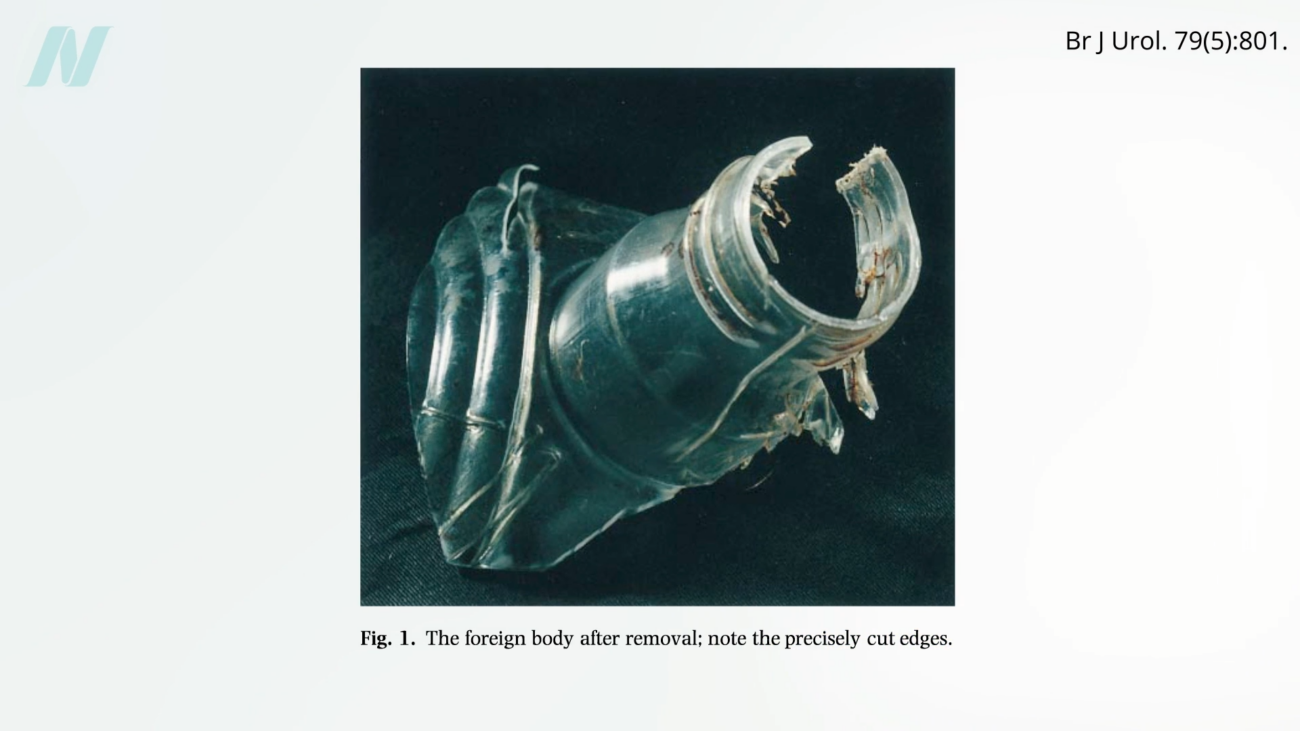
The exploration into the impact of nuts on sexual function took an unexpected turn with a peculiar case report that surfaced in the medical literature. This incident, detailing a "case of penile strangulation with a metal hex nut," highlighted the extreme and often dangerous consequences that can arise from misinterpreting or misapplying the concept of "nuts" in a sexual context.
According to the report, an individual applied a metal hex nut to his penis for "sexual pleasure" but subsequently found himself unable to remove it. This led to a medical emergency requiring specialized intervention. The case underscores the critical distinction between nutritional nuts and their metallic counterparts, emphasizing that not all "nuts" are beneficial, and some can indeed lead to severe complications.
The medical team faced a significant challenge in safely removing the constricting object. Initial attempts using the Dundee technique, which involves creating multiple puncture holes to relieve pressure, proved unsuccessful. Ultimately, a diamond disk cutter was employed to sever the metal nut. This procedure, while fraught with risks of slippage and potential injury, ultimately succeeded in freeing the patient.

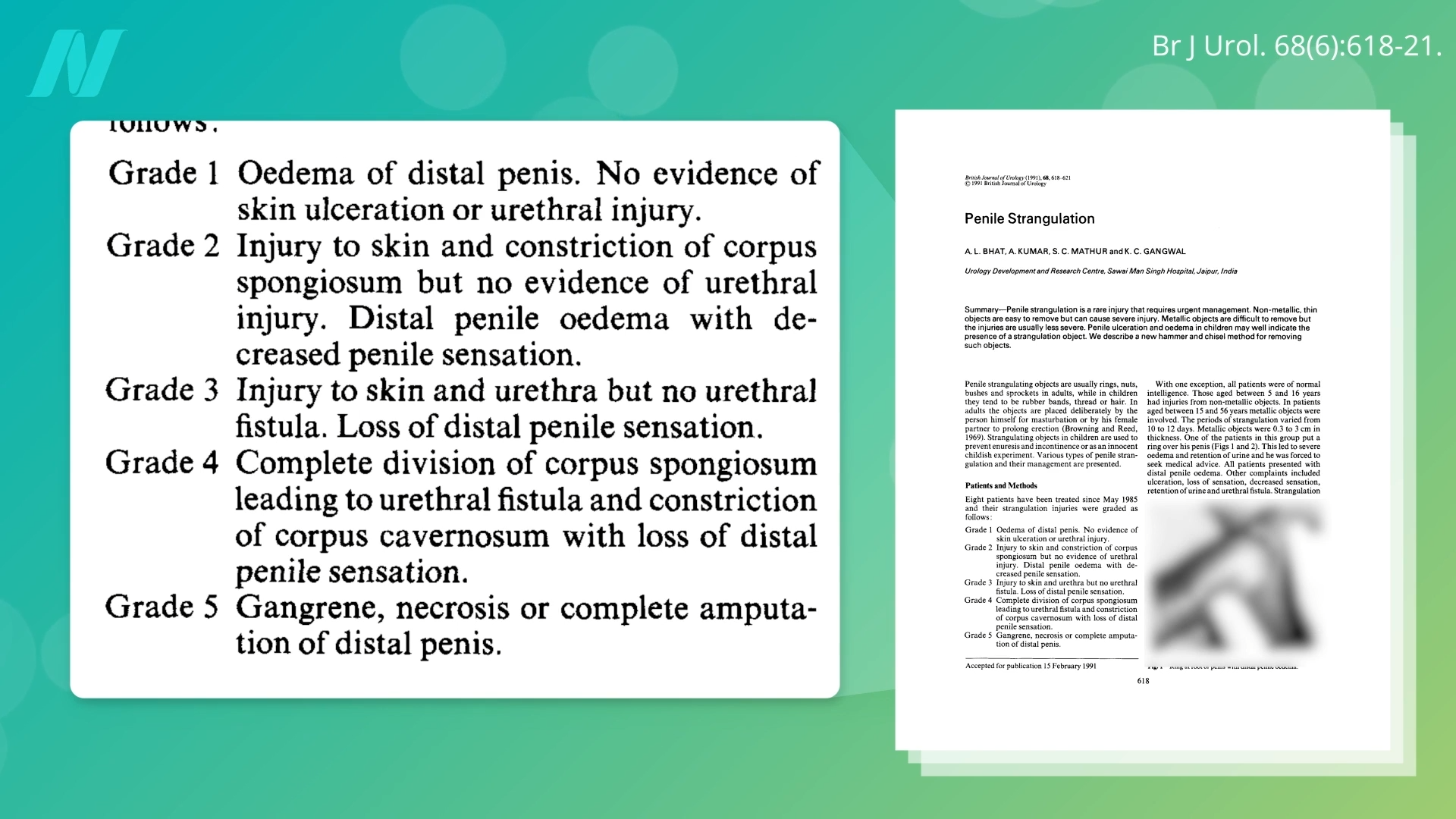
The severity of such incidents has led to the development of specific medical protocols. Penile entrapment, it appears, is not an isolated phenomenon, prompting the establishment of a grading system used by emergency room physicians to classify and manage these cases. In situations where advanced tools are unavailable, the medical literature has even documented instances where a "hammer and chisel may be used to remove nuts," a testament to the urgency and ingenuity required in such critical scenarios.
Further complicating the removal process, reports have detailed cases involving more substantial objects, such as iron barbells or steel sledgehammer heads. These instances necessitated the use of heavy-duty equipment, including industrial air grinders provided by fire departments. The procedures often required hours of meticulous cutting, with protective measures like fire coats implemented to shield the patient from sparks. The medical community has explored a range of tools, from hack saws to specialized "cement eaters," and even a "silk winding method" pioneered by researchers, to address these extreme forms of penile entrapment.
These highly unusual cases, while not directly related to the nutritional benefits of edible nuts, serve as a stark reminder of the diverse and sometimes perilous interpretations of the word "nut" within different contexts, including medical literature.
Investigating Edible Nuts: From Observation to Intervention
Shifting back to the realm of dietary nuts, observational studies have provided further insights into their potential association with erectile dysfunction (ED). One such study found that individuals consuming at least one serving of vegetables daily and more than two servings of nuts weekly experienced a significant reduction—over 50%—in the probability of developing ED.
However, researchers emphasize the limitations of such observational data. These studies, while suggestive, cannot establish a definitive cause-and-effect relationship. The observed correlation could be influenced by confounding factors. For instance, men who habitually consume nuts and a healthy diet might also be more likely to engage in other health-promoting behaviors, such as regular exercise, which independently contribute to better erectile function and overall health. This highlights the necessity for more controlled research to isolate the specific impact of nut consumption.
The Randomized Controlled Trial: Mixed Nuts and Sperm Quality
To address the need for interventional evidence, a randomized controlled trial was conducted to specifically examine the "effect of nut consumption on semen quality and functionality." This study involved healthy men who were assigned to either a control group consuming a standard American diet or an experimental group whose diet was supplemented with a mixture of nuts. The daily nut intake for the experimental group consisted of 30 grams of walnuts and 15 grams each of almonds and hazelnuts, totaling 60 grams per day.
The results of this trial indicated significant improvements in several key markers of sperm health among the participants who consumed the nut mixture. These improvements included a higher total sperm count, enhanced sperm vitality, better motility, and a more favorable sperm morphology. A notable finding was the significant reduction in sperm DNA fragmentation (SDF) observed in the nut-consuming group. This suggests that the combination of walnuts, almonds, and hazelnuts may play a protective role in preserving the integrity of sperm DNA, a crucial factor for male fertility.
Erectile and Sexual Function: A More Nuanced Picture
While the trial provided compelling evidence for the positive effects of nut consumption on sperm quality, its findings regarding erectile and sexual function were more complex and subject to interpretation. The researchers reported a "significant increase in orgasmic function and sexual desire" among the men in the nut group. However, the impact on erectile function, intercourse satisfaction, and overall sexual satisfaction was not as clearly defined.
This nuanced reporting raised questions, particularly given that the study received partial funding from the International Nut and Dried Fruit Council. While a marginal increase in orgasmic function and sexual desire was noted, the clinical significance of these changes was deemed questionable by some analysts. Furthermore, there was no observed improvement in erectile function, leading to a more reserved conclusion regarding the overall impact on sexual performance.
The researchers pointed to a potential reason for the differential effects observed between this study and the earlier pistachio study. The participants in the newer trial were, on average, much younger (24 years old) and likely had optimal circulatory function, leaving less room for improvement from dietary interventions. In contrast, the original pistachio study focused on men with pre-existing chronic ED, a demographic that might be more responsive to dietary changes.
Implications and Future Directions
The research on nuts and male sexual health presents a mixed but ultimately promising landscape. While the direct impact on erectile function in healthy young men may be limited, the evidence for improved sperm quality and a reduction in sperm DNA fragmentation is substantial. This suggests that a diet rich in nuts, particularly walnuts, almonds, and hazelnuts, could be a valuable strategy for men seeking to optimize their fertility.
The contrast between the pistachio study and the mixed nut trial underscores the importance of considering the baseline health of the participants and the specific type and quantity of nuts consumed. Future research could benefit from larger, more diverse cohorts and longer follow-up periods to further elucidate the dose-response relationships and the specific mechanisms by which nuts influence male reproductive health.
The occasional inclusion of extreme and cautionary tales, such as the cases of penile strangulation by metal nuts, while seemingly unrelated, serves as a peculiar counterpoint, emphasizing the critical importance of evidence-based approaches and clear understanding in all aspects of health and well-being.
Doctor’s Note: The exploration of the medical literature, even into seemingly tangential topics, can often reveal surprising connections and underscore the complexity of scientific inquiry. The studies discussed here, while varied in their focus and findings, collectively contribute to a growing understanding of how diet can play a role in male reproductive health. Further research is encouraged to solidify these findings and translate them into practical health recommendations. The videos "Pistachio Nuts for Erectile Dysfunction" and "Walnuts and Artery Function" offer additional insights into related topics.
