

The stark reality of heart disease, a leading cause of mortality worldwide, begins its insidious creep into the human body far earlier than many realize. While medications offer a degree of risk reduction, a growing body of scientific evidence suggests that fundamental lifestyle choices hold the power to mitigate up to 90% of the risk for heart attacks, a figure that dramatically overshadows the 20% to 30% reduction typically afforded by pharmaceutical interventions. This profound difference hinges on the fundamental understanding of atherosclerosis, the progressive hardening and narrowing of the arteries, and its deep-rooted origins.
The Early Onset of Atherosclerosis: A Troubling Discovery
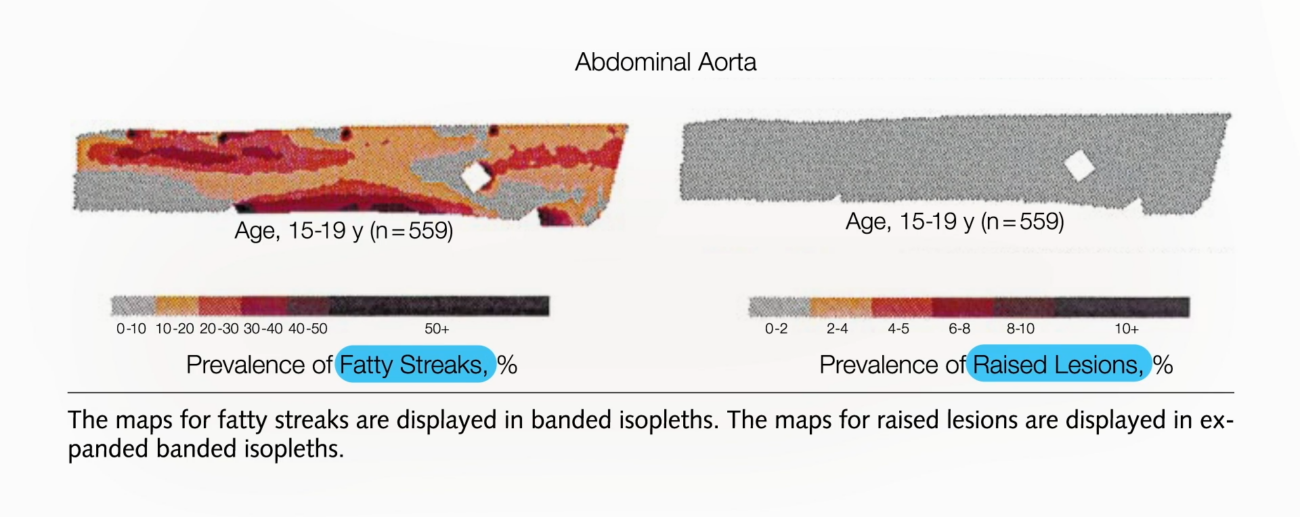
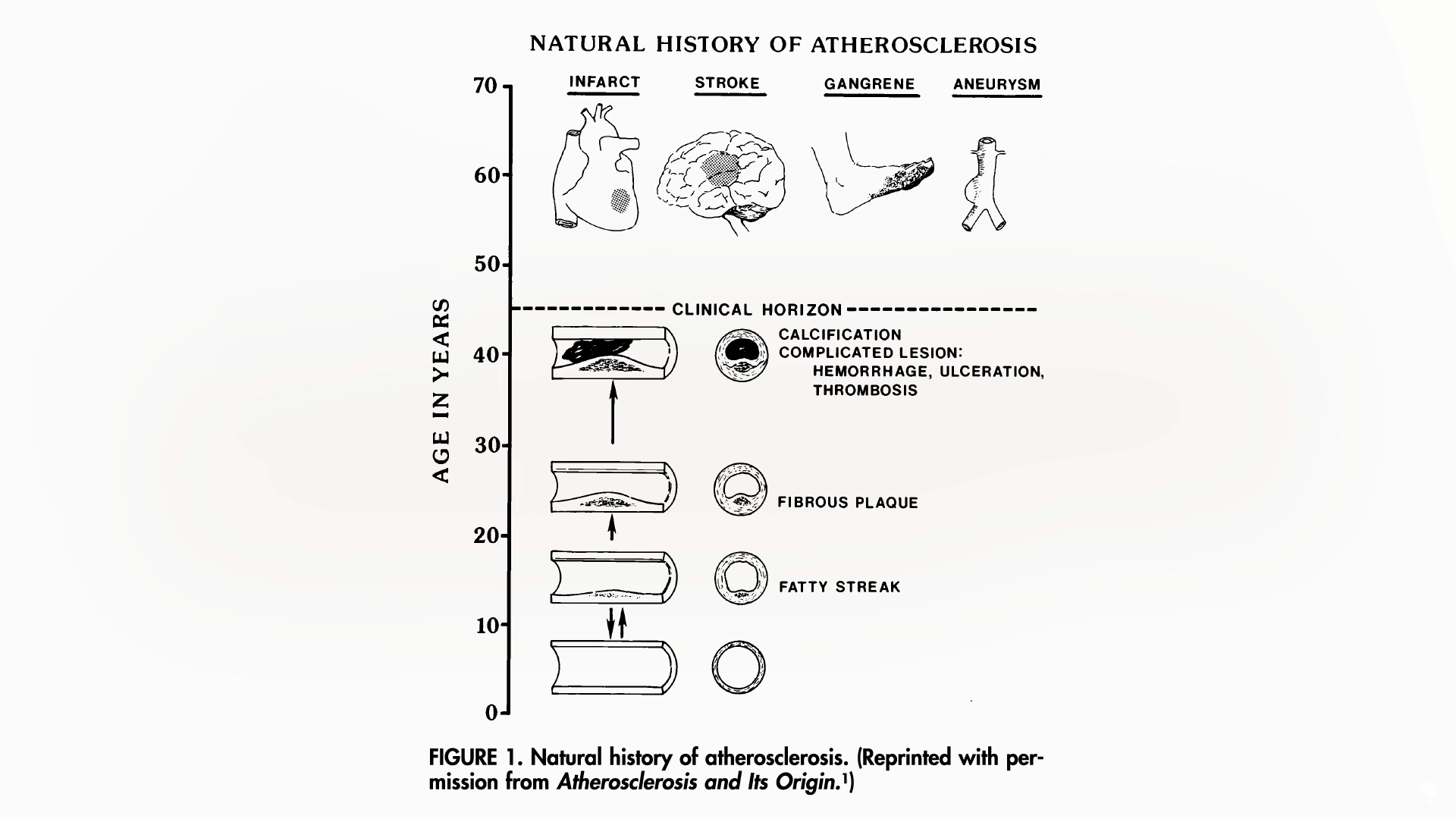
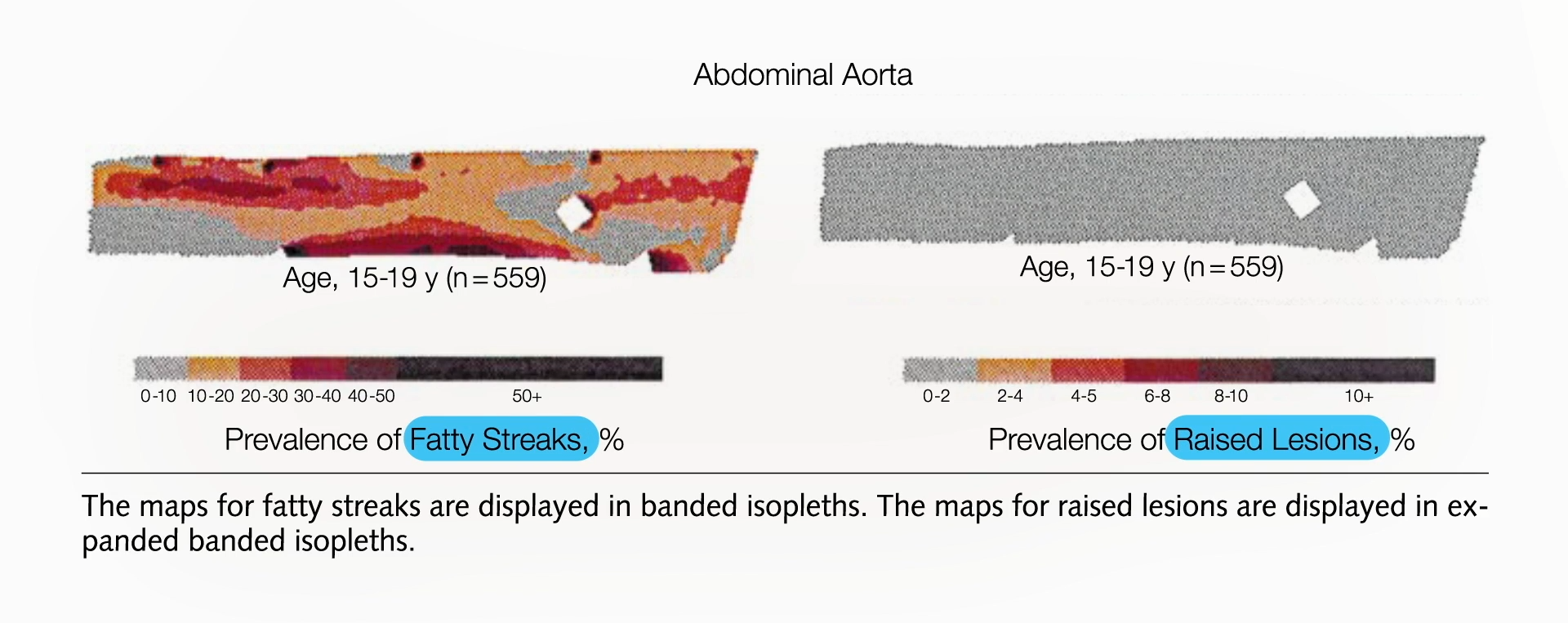
Research has illuminated a concerning truth: the foundational stages of atherosclerosis, the underlying cause of the majority of heart attacks and strokes, can commence in adolescence. Studies examining the coronary arteries and aortas of individuals aged 15 to 34, who tragically died from accidental, homicidal, or suicidal causes, revealed the early formation of fatty streaks within arterial walls. These preliminary deposits, present in 100% of the teenage subjects studied, are the precursors to the more advanced atherosclerotic plaques that begin to develop in the twenties and significantly worsen through the thirties.
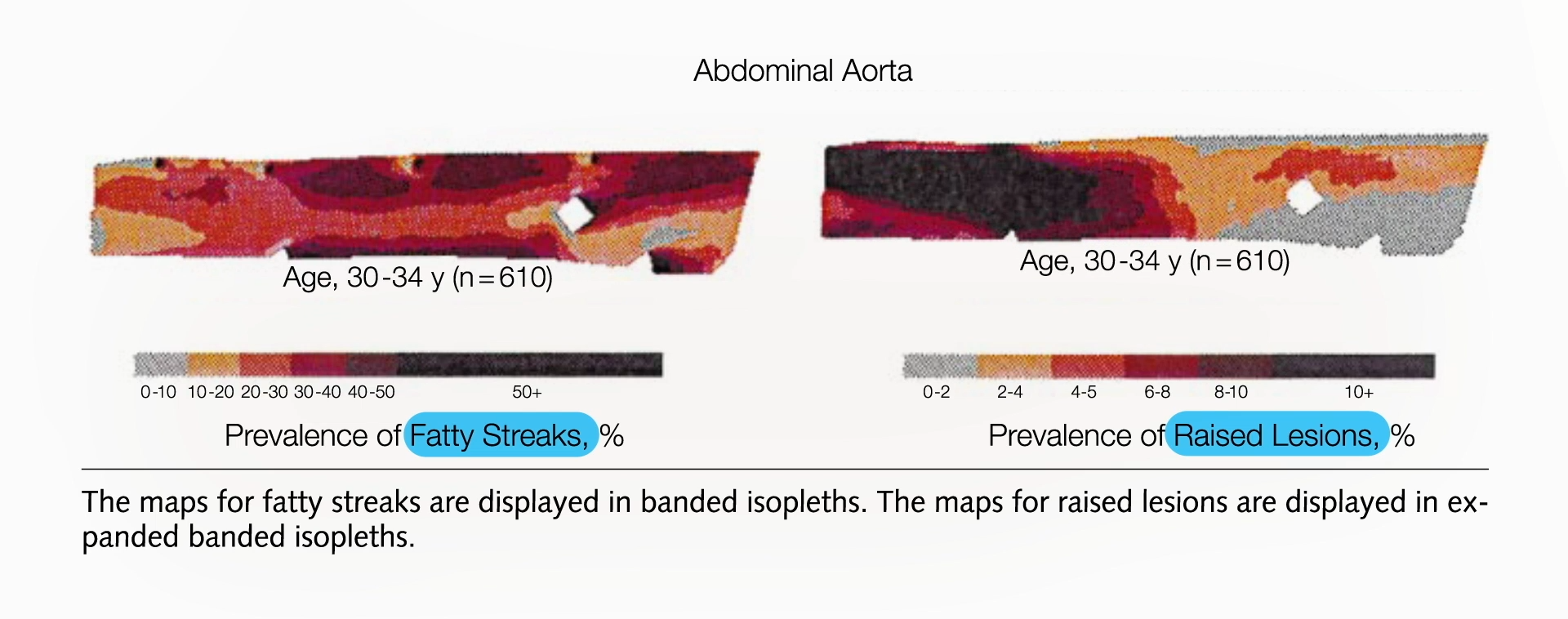
A landmark study, published in the National Institutes of Health’s PubMed database, meticulously documented this progression. Investigators collected and analyzed approximately 3,000 sets of coronary arteries and aortas. Their findings indicated that by the early twenties, these fatty streaks evolve into recognizable atherosclerotic plaques. By the late twenties, these plaques have become more pronounced, particularly in the abdominal aorta, a major artery extending down the torso. By the early thirties, the arterial system, including the vital coronary arteries that supply the heart muscle, shows significant signs of plaque buildup, compromising blood flow and increasing the risk of cardiovascular events.

The Progression of Arterial Disease: A Visual Timeline
The visual evidence from these studies paints a clear, albeit grim, picture of arterial degeneration.
- Adolescence (Ages 15-19): Fatty streaks are observed throughout the aorta. At this stage, significant plaque formation is not yet prevalent.
- Early Twenties: The initial stages of plaque development begin to appear, particularly in the abdominal aorta.
- Late Twenties: Plaques become more evident, and fatty streaks continue to infiltrate the arterial lining.
- Early Thirties: Arteries, including the critical coronary arteries, exhibit substantial plaque buildup, marking a significant progression of atherosclerosis.
This progression is not merely an academic observation; it directly translates to increased risk for life-threatening events. Atherosclerosis in the heart can lead to a myocardial infarction, commonly known as a heart attack, while its manifestation in the brain can result in a cerebrovascular accident, or stroke.
The Magnitude of the Problem: A Public Health Crisis
The ubiquity of this arterial disease underscores its status as a critical public health challenge. The fact that every single teenager in the examined cohort exhibited signs of arterial damage highlights the pervasive nature of factors contributing to atherosclerosis. This suggests that the "standard American diet," often characterized by high levels of saturated fat, cholesterol, and processed foods, plays a significant role in initiating and accelerating this process from a young age.
A Call for Early Intervention: Beyond Symptomatic Treatment
The early onset of atherosclerosis necessitates a paradigm shift in how cardiovascular health is approached. Experts emphasize that waiting for symptoms to emerge before initiating treatment is akin to waiting for a cancerous tumor to become symptomatic before seeking medical attention. Similarly, addressing diabetes only after vision loss occurs is a reactive, rather than proactive, strategy.
The most effective method for combating atherosclerosis, as supported by extensive research, involves actively lowering LDL cholesterol. This is achieved through dietary modifications that prioritize foods low in saturated fat and cholesterol. Key dietary changes include a significant reduction in the consumption of eggs, red meat, dairy products, and processed "junk" foods.
Lifestyle Transformation: A "Radical" but Necessary Proposal
The proposition of significantly altering lifestyle choices, beginning in infancy or early childhood, has been termed "radical" by some, yet its necessity is undeniable given that atherosclerosis is the leading cause of death. The success in reducing smoking rates and subsequent lung cancer incidence serves as a powerful precedent for the potential impact of widespread behavioral change.
The Academy of Nutrition and Dietetics, the world’s largest and oldest association of nutrition professionals, has affirmed the safety and appropriateness of strictly plant-based diets for all stages of life, including pregnancy. This endorsement provides a robust foundation for advocating for comprehensive dietary reforms.
The Power of Lifelong Low LDL: A Genetic Revelation
Further compelling evidence for the efficacy of sustained low LDL cholesterol levels comes from the study of a genetic mutation in the PCSK9 gene. Approximately 1 in 50 individuals of African American descent are born with this mutation, which naturally lowers their LDL cholesterol levels by about 40% throughout their lives. These individuals exhibit dramatically lower rates of coronary heart disease, experiencing an 88% reduction in risk compared to those without the mutation, even when other cardiovascular risk factors, such as high blood pressure, overweight, smoking, and diabetes, are present.
This remarkable finding underscores the profound protective effect of a lifelong history of low LDL cholesterol. The average LDL level in individuals with this genetic advantage was 100 mg/dL, compared to 138 mg/dL in those without it. This suggests that maintaining LDL cholesterol below 100 mg/dL throughout life can confer substantial protection against heart disease, even in the presence of multiple risk factors.
Duration Matters: Lifestyle vs. Medication
The near 90% reduction in cardiovascular events observed in individuals with the PCSK9 mutation, achieved through a lifelong history of naturally low LDL cholesterol, raises critical questions about the efficacy of statin drugs. While statins can reduce LDL cholesterol, the same reduction achieved through medication typically yields only a 20% to 30% decrease in risk.
The prevailing scientific hypothesis for this discrepancy is duration. It is not solely the level of LDL cholesterol that determines risk, but the length of time it has been maintained at a particular level. Healthy lifestyle choices, when adopted early and maintained consistently, can achieve a sustained reduction in LDL cholesterol over a lifetime, offering a far greater protective benefit than medications initiated later in life.
The Implications for Treatment Strategies
For individuals diagnosed with coronary atherosclerosis later in life, achieving significant risk reduction often requires aggressive LDL lowering through medication, potentially necessitating levels below 70 mg/dL to halt disease progression. For those seeking to reverse the cumulative effects of years of suboptimal dietary habits, even lower LDL levels, potentially around 55 mg/dL, might be required. In severe cases, such as after a heart attack, aiming for LDL levels as low as 30 mg/dL may be recommended to prevent recurrent events.
Achieving such low LDL levels through medication not only helps prevent the formation of new atherosclerotic plaques but also plays a crucial role in stabilizing existing ones. This stabilization is vital, as unstable plaques are more prone to rupture, leading to blood clots and subsequent heart attacks or strokes.
The Safety of Low Cholesterol: An Ongoing Inquiry
While the benefits of significantly lowering LDL cholesterol are becoming increasingly evident, questions regarding the absolute safety of extremely low cholesterol levels persist. The inquiry into whether LDL cholesterol can indeed become "too low" remains an active area of scientific investigation, with ongoing research seeking to fully understand the long-term implications of very low cholesterol profiles.
Conclusion: A Proactive Approach to Cardiovascular Health
The scientific consensus points towards a powerful truth: the most effective strategy for preventing heart disease lies in early, sustained lifestyle modifications. By embracing a diet rich in whole foods, low in saturated fats and cholesterol, and by engaging in regular physical activity, individuals can significantly reduce their risk of developing atherosclerosis and its devastating consequences. While pharmaceutical interventions play a role, particularly for those with established disease, they are best viewed as a complementary strategy to, rather than a substitute for, the profound and enduring benefits of a healthy lifestyle. The fight against heart disease begins not in the clinic, but in the choices made daily, starting from the earliest years of life.
Doctor’s Note and Further Resources
The revelation that atherosclerosis can begin in childhood should prompt a re-evaluation of preventative healthcare strategies. For a deeper understanding of the origins of heart disease, the resource "Heart Disease Starts in Childhood" is recommended. Additionally, exploring the comparative benefits of diet versus drugs, as detailed in "The Actual Benefit of Diet vs. Drugs," can provide further clarity on evidence-based approaches. The concept of "primordial prevention," focusing on maintaining low-risk status throughout life, is explored in "When Low Risk Means High Risk." Finally, the nuanced question of whether cholesterol size matters is addressed in the video "Does Cholesterol Size Matter?"
