

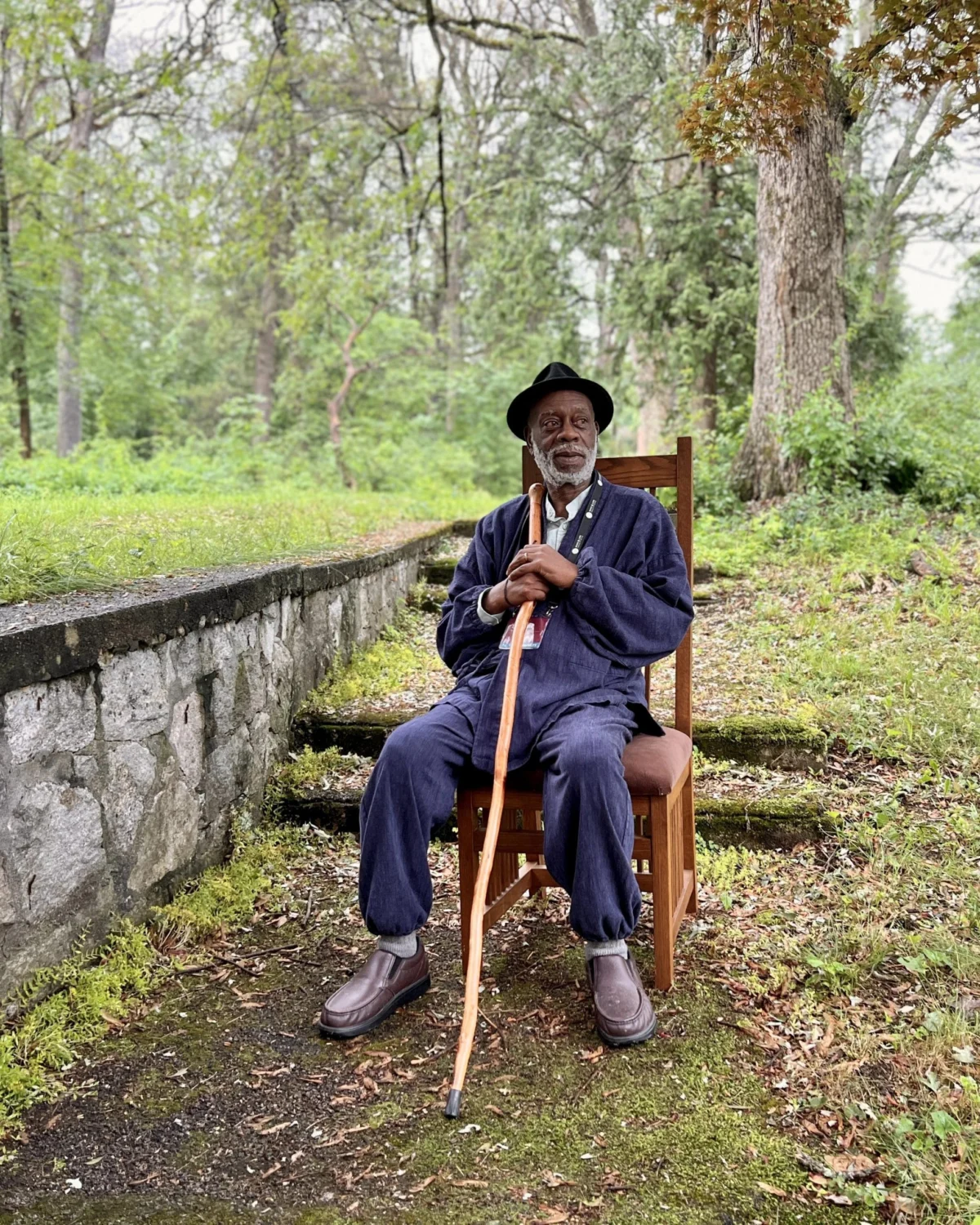
The late Plum Village teacher Larry Ward helps us to reflect on those who nourish our practice.
The concept of an "inner sangha"—a personal, internalized community of supportive figures—was a profound teaching offered by the esteemed Buddhist teacher Larry Ward. In a reflection shared shortly before his passing, Ward elaborated on how individuals can cultivate this internal reservoir of wisdom and compassion, drawing from the legacy of those who have profoundly impacted their spiritual journey. This teaching, rooted in the Buddhist principle of sangha (community), extends its reach beyond physical gatherings to encompass the internal landscape of the practitioner.
Ward, a prominent voice in bringing Buddhist teachings to Western audiences and a key figure in the Plum Village tradition founded by Thich Nhat Hanh, emphasized that individuals are not solitary beings in their quest for spiritual growth. From our earliest moments, we are shaped by a vast network of influences, extending from our immediate family and ancestors to broader societal and even ecological connections. This intricate web of relationships, both known and unknown, forms the bedrock of our being. The teaching on the inner sangha encourages a conscious engagement with this internal inheritance, transforming it into a source of active nourishment for one’s spiritual practice.
The notion of "society inside of us" that Ward articulated speaks to the deeply ingrained societal norms, values, and historical narratives that are transmitted through generations. These influences are embedded not only in our genes but also in the accumulated experiences and knowledge passed down through culture, education, and personal interactions. Understanding this inherent societal imprint is the first step toward intentionally curating the internal environment that supports a noble life—a life characterized by compassion, wisdom, and non-harming.
Cultivating the Inner Sangha
Ward proposed that, much like the external sangha provides tangible support and shared energy for practice, an inner sangha serves a similar, albeit internal, function. This requires a deliberate act of selection: identifying and consciously inviting into one’s mental and emotional space the energies of individuals who have demonstrably fostered compassion, wisdom, and a commitment to ethical living within us. This is not a passive process but an active engagement with one’s inner world.
He provided personal examples to illustrate this concept. Ward included his grandmother, his mother, and his father in his inner sangha, acknowledging the diverse and sometimes complex influences they had on him. He also extended this to include an early Christian teacher, highlighting that the inner sangha is not limited to any single spiritual tradition. Crucially, he named his teacher, Thich Nhat Hanh, as a central figure in his inner sangha, a testament to the profound impact Hanh had on his life and teachings.
The "Positive Memory Capsule"
The practical application of the inner sangha, as described by Ward, lies in its ability to act as a "positive memory capsule." This term, borrowed from resilience work, refers to the intentional retrieval and activation of memories and expressions from these chosen figures that offer encouragement and guidance. When faced with challenges or moments of doubt on the spiritual path, practitioners can access these internalized voices, memories, and insights to find strength and clarity.
Ward suggested a simple yet powerful practice: visualizing oneself in meditation with these chosen mentors, teachers, or loved ones. This imaginative engagement allows for a simulated dialogue, a shared silence, or a re-experiencing of their wisdom. The outcome is a tangible sense of nourishment, a connection to positive, healing, and transformational energy that sustains the individual’s practice. This practice underscores the idea that the wisdom and compassion of others can remain vibrant and accessible, even in their physical absence.
Background and Context
Larry Ward’s teachings on the inner sangha gained particular resonance following his passing on October 10, 2026. A recognized figure within the global Buddhist community, Ward was known for his accessible yet profound teachings, which often bridged traditional Buddhist concepts with contemporary psychological and sociological understandings. His work with the Plum Village tradition, a global network of monasteries and practice centers founded by Thich Nhat Hanh, involved extensive travel and engagement with diverse audiences.
The teaching itself was adapted from a short video shared by Ward for the Plum Village App, a digital platform designed to disseminate Buddhist teachings and practices. This origin highlights the evolving ways in which spiritual guidance is being delivered in the 21st century, leveraging technology to reach a wider audience. The article’s publication date, October 10, 2026, places it in a context where Ward’s contributions were being widely celebrated and reflected upon, particularly in light of his passing.
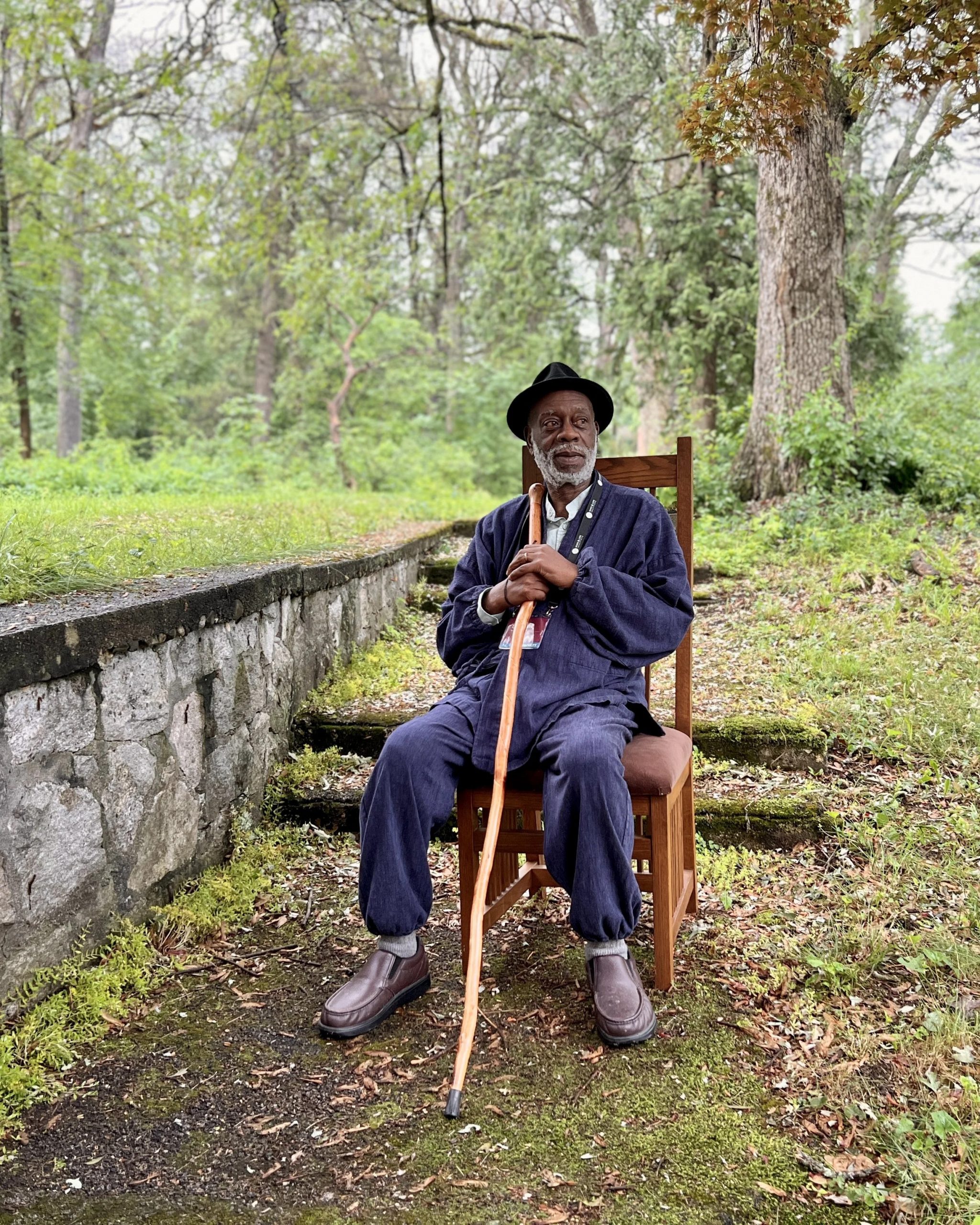
Ward’s engagement with the Mind and Life Institute, an organization that fosters dialogue between scientists and contemplative practitioners, further contextualizes his approach. His presence at such forums, as suggested by the accompanying image, indicates a commitment to interdisciplinary understanding and a recognition of the universal applicability of contemplative practices.
Broader Implications and Analysis
The concept of the inner sangha offers significant implications for individual well-being and the propagation of ethical values. In an era often characterized by increasing social isolation and the pervasive influence of digital media, the deliberate cultivation of an internal support system can provide a vital counterbalance. It empowers individuals to actively shape their internal environment, making them less susceptible to negative external influences and more resilient in the face of adversity.
Furthermore, the practice encourages a deeper appreciation for the legacy of wisdom passed down through generations. By consciously selecting and integrating the teachings and qualities of exemplary individuals, practitioners not only honor their influences but also internalize those qualities, becoming living embodiments of compassion and wisdom. This process can contribute to the intergenerational transmission of ethical values and spiritual insights.
The emphasis on personal choice in forming one’s inner sangha is also noteworthy. It underscores the autonomy of the practitioner in their spiritual journey, suggesting that while external guidance is valuable, the ultimate responsibility for cultivating inner resources lies with the individual. This approach can be particularly empowering for those who may not have access to traditional community structures or who are navigating spiritual paths outside established norms.
The "positive memory capsule" concept aligns with research in positive psychology and neuroscience, which highlights the impact of positive emotions and reminiscence on mental health and resilience. By actively recalling and embodying the qualities of inspiring figures, individuals can foster a more optimistic outlook, enhance their coping mechanisms, and strengthen their sense of purpose.
Related Party Reactions and Inferred Context
While specific statements from individuals directly related to this teaching are not provided in the original excerpt, the legacy of Larry Ward and Thich Nhat Hanh suggests a strong resonance within the Plum Village community and among their students. The dissemination of this teaching through the Plum Village App and its reprinting by Tricycle.org, a prominent Buddhist publication, indicates its perceived importance and value within the broader Buddhist discourse.
The mention of the Mind and Life Institute suggests that Ward’s teachings were often presented in contexts that encouraged dialogue between different disciplines and traditions. This indicates an awareness of the need to articulate spiritual concepts in ways that are accessible and relevant to a wide range of audiences, including those from scientific and secular backgrounds.

The reprinting of the excerpt with permission from the Lotus Institute, a charitable organization likely associated with Ward’s work or legacy, further suggests a coordinated effort to preserve and share his teachings. This institutional support underscores the enduring significance of his contributions to Buddhist thought and practice.
Chronology of Influence and Transmission
While the specific date of this teaching’s origin as a video is not explicitly stated, its sharing in 2026 implies it was a recent offering from Ward, reflecting his ongoing engagement with his students and the wider community. His passing later that year solidified the importance of such reflections as a form of enduring legacy.
The structure of the original content suggests a piece intended for an online publication, likely a spiritual or philosophical journal, given its focus on "Teachings" and its author’s background. The inclusion of a paywall or subscription model for full access is common in such publications, aiming to support their work through reader contributions.
The historical context of the Plum Village tradition, beginning with Thich Nhat Hanh’s exile in the late 1960s and the subsequent establishment of monasteries and practice centers globally, provides a backdrop for Ward’s role as a key disseminator of these teachings. His ability to synthesize and articulate these concepts in accessible ways contributed significantly to the growth and influence of the tradition in the West.
Supporting Data and Analysis
While this teaching is primarily philosophical and experiential, its underlying principles can be supported by research in psychology and neuroscience. Studies on the benefits of mindfulness and meditation consistently demonstrate positive impacts on emotional regulation, stress reduction, and cognitive function. The cultivation of an inner sangha, as described by Ward, can be seen as a sophisticated form of self-regulation and positive mental conditioning.
The concept of "social contagion" in psychology suggests that emotions, attitudes, and behaviors can spread through social networks. By intentionally curating an inner sangha, individuals are, in essence, engaging in a form of positive self-contagion, drawing upon the internalized wisdom and compassion of admired figures. This process can foster greater psychological well-being and enhance one’s capacity for prosocial behavior.
The notion of "internalized role models" is also well-documented in developmental psychology. Children and adults alike often draw upon the perceived characteristics and behaviors of role models to guide their own actions. Ward’s teaching elevates this concept to a conscious spiritual practice, emphasizing the selection of individuals whose qualities align with one’s spiritual aspirations.
Conclusion
Larry Ward’s teaching on the inner sangha offers a powerful and practical method for cultivating spiritual resilience and deepening one’s practice. By consciously inviting the wisdom and compassion of inspiring figures into one’s inner landscape, practitioners can create a potent source of support and guidance. This internalized community transcends physical limitations, offering a continuous wellspring of nourishment for a life dedicated to compassion, wisdom, and non-harming. The enduring relevance of this teaching speaks to its profound insight into the human capacity for growth and transformation, even in the face of life’s inevitable challenges.

