

Wells Gray Provincial Park, British Columbia, Canada – Nestled within the vast, untamed expanse of the Caribou Mountains in British Columbia, Canada, lies Wells Gray Provincial Park, a protected natural sanctuary renowned for its breathtaking landscapes and abundant wildlife. This expansive area, characterized by its rugged mountains, pristine lakes, winding rivers, and dense forests, is a vibrant ecosystem that supports a diverse array of fauna, including iconic species like bears and moose, a rich variety of birdlife, abundant fish populations, and, notably, over 30 distinct species of mosquito. Yet, it is the park’s spectacular collection of waterfalls that truly defines its majestic character.
A Land Forged by Water and Time
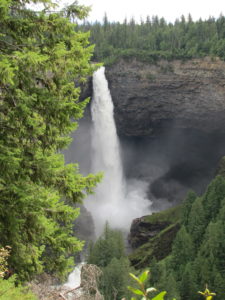
Wells Gray Provincial Park boasts a unique geological history that has sculpted its dramatic terrain, resulting in approximately 39 named major waterfalls and an innumerable count of smaller cascades. Among these natural wonders, Helmcken Falls stands as a monumental testament to the erosive power of water. This awe-inspiring waterfall ranks as the fourth largest in Canada, with a sheer drop that is approximately three times the height of the world-famous Niagara Falls. The sheer volume of water, the thunderous roar, and the perpetual mist create an immersive and unforgettable sensory experience for all who witness it.
The formation of Wells Gray Park and its dramatic waterfalls can be traced back millions of years to periods of intense volcanic activity and subsequent glacial sculpting. The region’s bedrock, primarily composed of ancient lava flows, has been extensively carved by the powerful forces of erosion from rivers and glaciers over millennia. This geological heritage has created a landscape where water finds dramatic pathways to descend, leading to the formation of the park’s numerous and impressive waterfalls.
The Philosophical Resonance of Waterfalls
Beyond their sheer visual splendor, waterfalls offer profound insights into the nature of existence and change. Observing the untamed cascade of a river, inhaling the cool, damp mist, and feeling the resonant roar, one can perceive a waterfall not merely as a geological feature but as a dynamic, living entity. The very term "waterfall" speaks to interconnectedness: it represents the specific moment a river encounters a particular geological feature, transforming its flow into a powerful and beautiful shape that exists only for a fleeting instant in its continuous journey downstream.
This perspective invites contemplation on the impermanence of all things. Just as a waterfall is a temporary manifestation of water’s essence, so too are all entities within the natural world. A tree, for instance, is the ephemeral form that sunlight, water, and essential chemical elements take for a span of several centuries. Similarly, animals, including humans, represent a temporary configuration of food, water, and air, existing for less than a century. In this light, a waterfall becomes a vivid, instantaneous narrative of life itself – a powerful illustration of the constant flux and transformation that defines our universe.
The Deceptive Calm Before the Storm
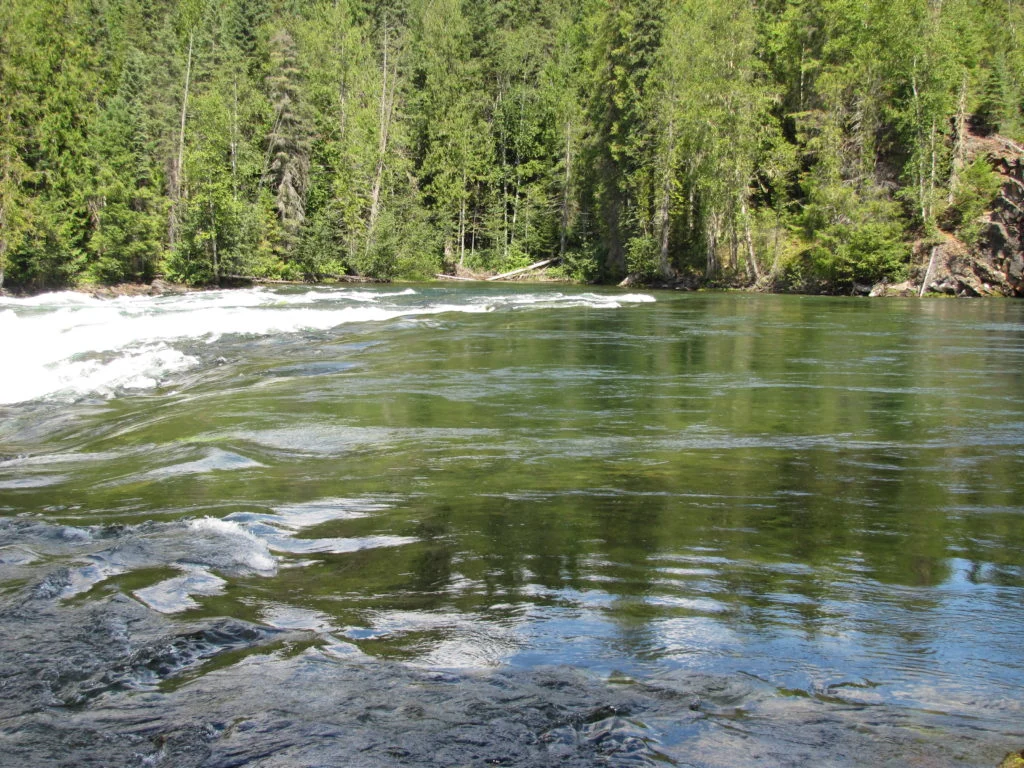
A particularly striking characteristic observed at many waterfalls is the deceptive calmness of the water preceding the cascade. The surface upstream often appears smooth, serene, and placid, offering little indication of the turbulent chaos and immense power that lies just ahead. The current may accelerate imperceptibly, transitioning from the quietude of a lake or riverbed to a sudden, violent plunge over the precipice – a paroxysm of energy, chaos, and raw, untamed beauty.
This natural phenomenon can serve as a potent metaphor for the progression of human affairs, both on an individual and societal level. As individuals age, life may proceed with a sense of smooth continuity. However, this calm can be abruptly disrupted by illness or the natural decline of old age, leading to an accelerating rate of systemic failure and a loss of control.
On a broader societal scale, the relentless acceleration of technological and social change mirrors the gathering momentum of a river approaching a waterfall. The pace of innovation, the interconnectedness of global communication, and the rapid evolution of societal norms can create a sense of gradual, almost imperceptible, acceleration. However, there is always the potential for a threshold to be reached, beyond which the existing structures and norms may prove insufficient to contain the forces at play, potentially leading to widespread disruption and upheaval.
Those positioned further upstream in this metaphorical river may still perceive their surroundings as stable and secure, unaware of the impending maelstrom that has already engulfed those closer to the edge. The ability to perceive the subtle signs, to listen with an alert and discerning mind for the distant roar of the approaching fall, becomes crucial. This heightened awareness allows for the possibility of adjusting course and seeking the safety of the riverbanks before being swept into the uncontrollable currents.
Ecological Significance and Conservation Efforts
Wells Gray Provincial Park, beyond its aesthetic and philosophical appeal, plays a critical role in the ecological health of the region. As a protected area, it serves as a vital habitat for numerous species, contributing to biodiversity conservation in British Columbia. The park’s extensive watershed systems are crucial for maintaining water quality and flow in downstream communities and ecosystems.
The presence of diverse wildlife, including large mammals like bears and moose, indicates a healthy and functioning ecosystem. These species are indicators of the overall well-being of the park’s environment. Furthermore, the park’s protection is instrumental in safeguarding migratory bird routes and providing essential breeding grounds for various avian species.
Conservation efforts within Wells Gray Provincial Park are ongoing, focusing on habitat preservation, monitoring wildlife populations, and managing human impact. The park’s management plan aims to balance public access and recreational opportunities with the imperative to protect its natural heritage. This includes measures to mitigate the effects of tourism, such as trail maintenance, waste management, and educational programs designed to foster environmental stewardship among visitors.
The Economic and Tourism Impact
The natural splendor of Wells Gray Provincial Park, with Helmcken Falls as a crown jewel, draws thousands of visitors annually, contributing significantly to the regional economy. Tourism revenue generated from park visitation supports local businesses, including accommodation providers, restaurants, and outdoor recreation outfitters. The park is a cornerstone of the tourism industry in the North Thompson and Cariboo regions of British Columbia.
Visitor statistics from Parks BC indicate a steady increase in park attendance over the years, underscoring its popularity as a destination for both domestic and international tourists. The accessibility of key attractions like Helmcken Falls, via well-maintained trails and viewpoints, enhances its appeal. Educational programs and guided tours further enrich the visitor experience, promoting a deeper understanding and appreciation of the park’s natural and cultural significance.
A Call for Awareness and Respect
The lessons derived from the observation of nature, particularly from powerful natural phenomena like waterfalls, are invaluable. They remind us of the interconnectedness of all systems, the dynamic nature of change, and the importance of awareness and adaptation. As we navigate the complexities of our individual lives and the accelerating pace of societal transformation, the wisdom found in the natural world offers guidance.
The serene waters upstream of Helmcken Falls serve as a reminder that periods of calm can precede significant shifts. The roaring cascade itself embodies the power and beauty that can emerge from change, albeit sometimes accompanied by disruption. The ultimate message is one of respect for the forces of nature, an understanding of our place within these larger systems, and a call to cultivate the wisdom to perceive and respond to the currents of change with both caution and courage. Wells Gray Provincial Park, with its majestic waterfalls, stands as a powerful, enduring classroom, offering timeless lessons for all who are willing to observe and learn.

