

Recent scientific inquiries are exploring the potential health benefits of onions, particularly their impact on weight management, cholesterol levels, and Polycystic Ovary Syndrome (PCOS). While preliminary studies suggest intriguing possibilities, a closer examination of the research reveals a nuanced landscape where modest effects are often observed, but statistical significance in comparison to placebos remains a key hurdle for definitive conclusions. This article delves into the current evidence, examining the methodologies, findings, and implications of studies investigating the dietary roles of onion powder and raw red onion in addressing these prevalent health concerns.
Investigating Onion Powder for Body Fat Reduction
The notion that a small daily dose of onion powder could significantly impact body fat reduction has emerged from a study titled "Effect of Steamed Onion (ONIRO) Consumption on Body Fat and Metabolic Profiles in Overweight Subjects." Researchers investigated the effects of providing overweight individuals with a minute quantity of steamed onion powder, approximately one-eighth of a teaspoon (300 mg) daily. The rationale behind using steamed onions was to mitigate their characteristic pungency and odor, thereby facilitating their incorporation into a placebo-controlled design.
The initial findings, as presented in the abstract, indicated promising results. Advanced imaging techniques, including DEXA (Dual-energy X-ray Absorptiometry) scans and CT (Computed Tomography) scans, were employed to measure changes in body composition. The abstract reported a significant reduction in body fat mass as assessed by DEXA scans and a notable decrease in overall, visceral, and subcutaneous fat areas through CT scans in the group consuming the onion powder. These findings, if interpreted solely from the abstract, could suggest a powerful, albeit small-dose, effect of onion powder on fat reduction.
However, a deeper analysis of the study’s methodology and results reveals a more complex picture. When scrutinizing the data, the reported changes in the placebo group showed no statistically significant alteration in fat mass. The group receiving the onion powder, while exhibiting a loss of approximately 1.5 pounds (0.64 kg) of body fat, a figure significant from their baseline, did not demonstrate a statistically significant difference when directly compared to the placebo group. This lack of statistical significance implies that the observed fat loss in the onion powder group could be attributable to random chance rather than a direct pharmacological effect of the onion powder.
Similarly, the CT scan results, while indicating a larger reduction in overall fat and a more substantial decrease in visceral fat (the dangerous abdominal fat linked to metabolic diseases) in the onion powder group, also failed to achieve statistical significance when compared to the placebo. This suggests that while trends towards fat reduction might have been observed, the evidence was insufficient to confidently attribute these changes to the consumption of the specified amount of onion powder.
This discrepancy between the abstract’s summary and the detailed statistical analysis is a common phenomenon in scientific reporting. Abstracts are designed to provide a concise overview, and sometimes the emphasis can create an impression of stronger findings than the underlying data fully supports, particularly when statistical power is limited.
Further research has explored higher doses of onion powder in an attempt to elicit more pronounced effects. A subsequent study investigated the impact of consuming four teaspoons (9 g) of onion powder daily. Similar to the previous investigation, this study also failed to demonstrate a statistically significant acceleration in the loss of visceral, total, or subcutaneous fat when compared to a placebo group. Interestingly, the placebo in this particular study also consisted of four teaspoons (9 g) of onion powder, introducing a potential confounding factor or suggesting a complex dose-response relationship that was not clearly elucidated. This study compared yellow and white onions, noting that both types might contribute to abdominal fat loss, but without a significant difference between them. Despite these efforts, the consistent absence of statistically significant differentiation from placebo groups leaves the efficacy of onion powder for substantial weight loss in question, based on the available evidence.

The low dosage used in the initial study (one-eighth of a teaspoon) and the higher, yet still inconclusive, dosage in the subsequent study raise questions about the optimal amount and the biological mechanisms that might be at play. While the lack of significant adverse effects from these small doses is reassuring, the current body of evidence does not provide sufficient confidence to recommend onion powder as a primary intervention for weight loss. More robust, larger-scale trials with well-defined protocols are needed to definitively ascertain any tangible benefits.
Exploring Onions and Polycystic Ovary Syndrome (PCOS)
Beyond weight management, onions are being examined for their potential role in managing Polycystic Ovary Syndrome (PCOS), a prevalent endocrine disorder affecting an estimated 5% to 10% of women of reproductive age. PCOS is characterized by hormonal imbalances that can lead to irregular menstrual cycles, infertility, and a significantly increased risk of developing type 2 diabetes due to decreased insulin sensitivity, often described as a "pre-diabetic state." Given the challenging nature of managing PCOS, often complicated by medication side effects, researchers are keen to explore dietary interventions.
The interest in onions for PCOS stems from their known effects on metabolic health. Studies involving animal models have shown that onion extracts can improve blood sugar and insulin sensitivity in diabetic rats. Crucially, human trials have indicated that onion consumption can reduce blood sugar levels in individuals with diabetes. The hypothesis is that since women with PCOS exhibit characteristics of insulin resistance, onions might offer similar benefits.
To investigate this, a randomized controlled clinical trial focused on the intake of raw red onion. Previous research, such as the study on "Metabolic Effects of Onion and Green Beans," provided some context. In this earlier study, participants with diabetes were assigned to consume either a small onion (60 g) daily or the same diet supplemented with a large quantity of green beans (600 g). Both interventions demonstrated positive metabolic outcomes. The onion group experienced an approximate 10% reduction in blood sugar levels compared to a control diet, while the green bean group saw a roughly 15% reduction. This indicated that onions, in a significant quantity, could influence blood glucose regulation in individuals with diabetes.
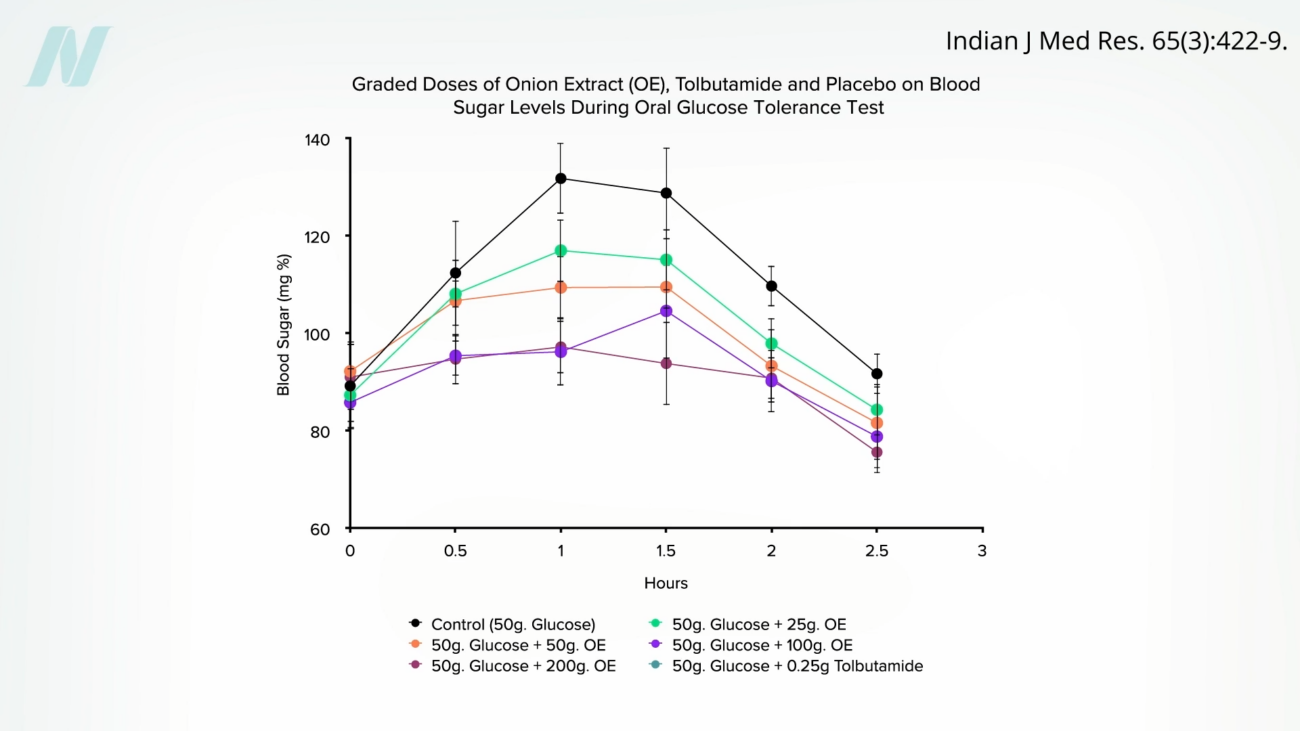
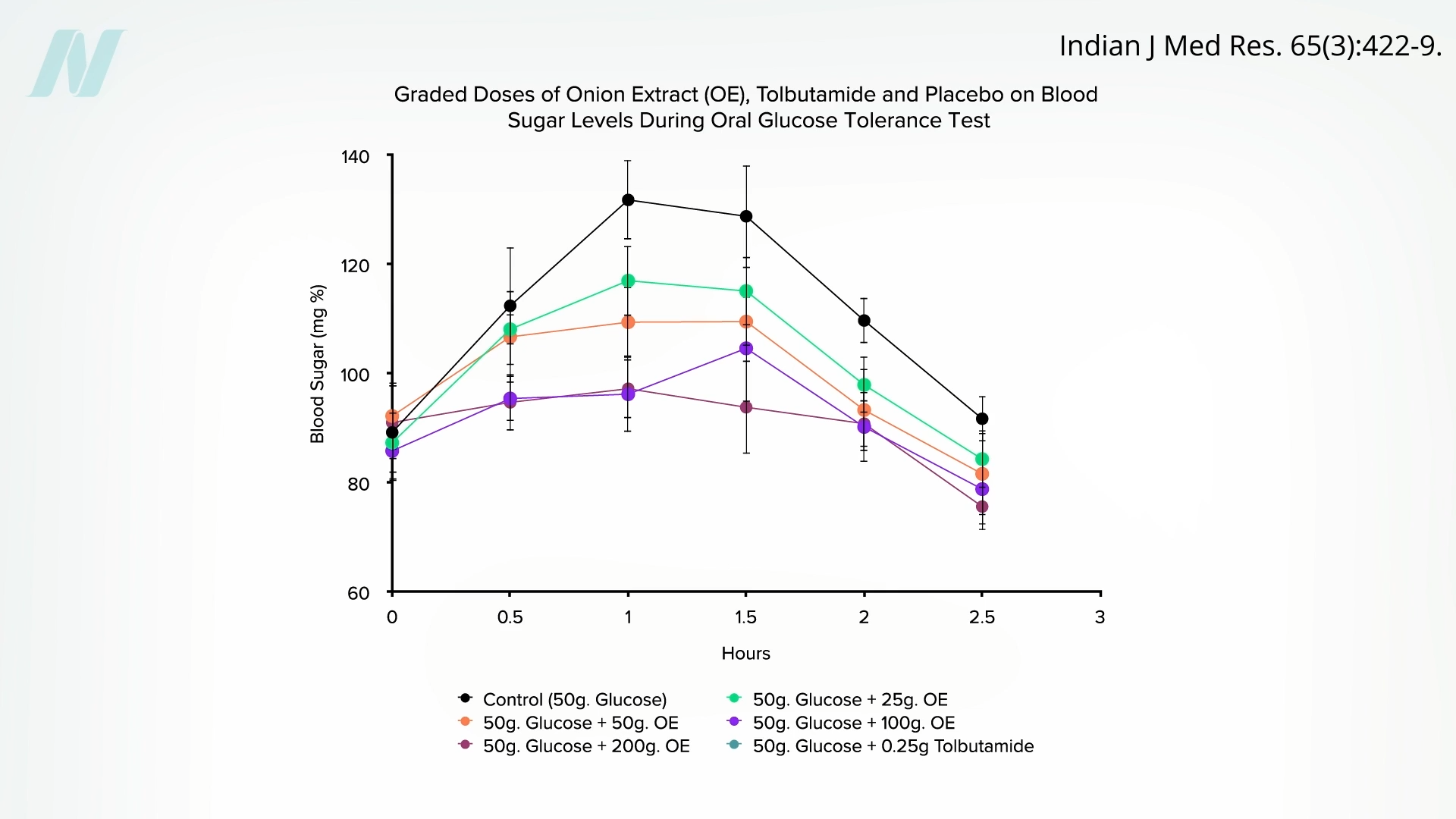
Further examination of studies concerning blood sugar regulation in non-diabetic individuals reveals a more specific effect. While onions do not appear to lower already normal blood sugar levels – a desirable characteristic – they have shown a remarkable ability to mitigate blood sugar spikes. In one experiment, participants consumed a standard amount of corn syrup (50 g), leading to a significant rise in blood sugar. However, when the same amount of sugar was administered alongside increasing quantities of onion extract, the resulting blood sugar spike was substantially dampened. The degree of this dampening effect was comparable to that observed with an antidiabetic medication. This finding suggests that compounds within onions may play a role in modulating the body’s response to carbohydrate intake.
This blunting effect on blood sugar was also observed in response to adrenaline. When participants received an adrenaline injection, which typically causes a rise in blood sugar, the co-administration of onion extract significantly reduced this elevation compared to those receiving adrenaline without onion extract. These findings, illustrated through graphical data, highlight a potential mechanism by which onions might influence glucose metabolism, particularly in the context of challenges to the body’s regulatory systems.
Despite these promising observations regarding blood sugar modulation, when the focus shifts specifically to women with PCOS, the evidence for significant benefits becomes less clear. A comprehensive review of available studies, including data from the Cochrane Library, found no significant differences in blood sugar levels or other markers of insulin resistance between groups of PCOS patients consuming high-onion versus low-onion diets. Furthermore, no discernible differences in inflammatory markers were noted between these groups.
This finding is particularly noteworthy given that women with PCOS are not only at a heightened risk for diabetes but also for inflammation and cardiovascular disease. In fact, women with PCOS are more than seven times more likely to experience a heart attack and develop heart disease, which remains the leading cause of death among women. This increased cardiovascular risk is partly attributed to higher cholesterol levels often observed in this population.
Raw Red Onion and Cholesterol Management
The connection between PCOS and elevated cholesterol levels has prompted investigations into the role of raw red onion in managing dyslipidemia. While consuming raw red onion has shown some promise in lowering cholesterol, the observed effects have been modest. In studies where participants consumed more onions, their LDL (low-density lipoprotein) cholesterol, often referred to as "bad" cholesterol, decreased by approximately 5 mg/dL. However, this reduction was not statistically significant when compared to a control group that consumed fewer onions. This indicates that while there might be a trend towards improvement, the effect is not pronounced enough to be definitively attributed to onion consumption based on current trial designs.
Historical research also offers insights into the interaction between onions and dietary fat. A study conducted approximately 50 years ago provided participants with a significant amount of butter, which predictably caused a substantial increase in their cholesterol levels. However, when the same amount of butter was consumed alongside raw or boiled onion, the subsequent rise in cholesterol was considerably attenuated. Specifically, the addition of about one-third of a cup (50 g) of onion reduced the cholesterol spike by a notable margin. While this older study highlights a potential buffering effect of onions on dietary fat’s impact on cholesterol, its findings should be considered within the context of its time and the significant amount of butter consumed, underscoring the primary health recommendation to moderate the intake of high-fat foods.
Implications and Future Directions
The current scientific literature on the health benefits of onions presents a mixed but intriguing picture. For weight loss, the evidence remains inconclusive, with small doses showing no statistically significant effect beyond placebo, and higher doses also failing to produce robust results. While onions may offer some metabolic advantages, they are not a magic bullet for shedding pounds.
In the context of PCOS, while onions have demonstrated an ability to modulate blood sugar responses in certain scenarios, their direct impact on insulin resistance and inflammation in women with PCOS has not been definitively established through current research. The potential benefits for cholesterol management, particularly in raw red onion, are also present but require further substantiation with more substantial effect sizes.
The implications of these findings are multifaceted. Firstly, they underscore the importance of rigorous scientific methodology, including appropriate control groups and statistical analysis, to avoid overstating preliminary results. Secondly, they highlight that while certain foods may possess beneficial compounds, their impact can be dose-dependent, context-specific, and subject to individual variability.
For individuals managing conditions like PCOS, weight concerns, or high cholesterol, a balanced and evidence-based approach remains paramount. While onions are a nutritious and flavorful addition to a healthy diet, relying on them as a sole or primary therapeutic agent for these complex health issues is not supported by the current strength of evidence. Future research should focus on larger, long-term randomized controlled trials with specific populations, investigating optimal dosages, preparation methods, and the underlying biochemical mechanisms. Understanding the synergistic effects of onions within a comprehensive dietary pattern and lifestyle intervention will be crucial in determining their true therapeutic potential. The journey from promising preliminary findings to established dietary recommendations requires a sustained commitment to scientific inquiry.
Doctor’s Note:
For further exploration of related topics, refer to the previous video, "Friday Favorites: Are Onions Beneficial for Testosterone, Osteoporosis, Allergies, and Cancer?" This resource delves into other potential health applications of onions, offering a broader perspective on their nutritional science.

