

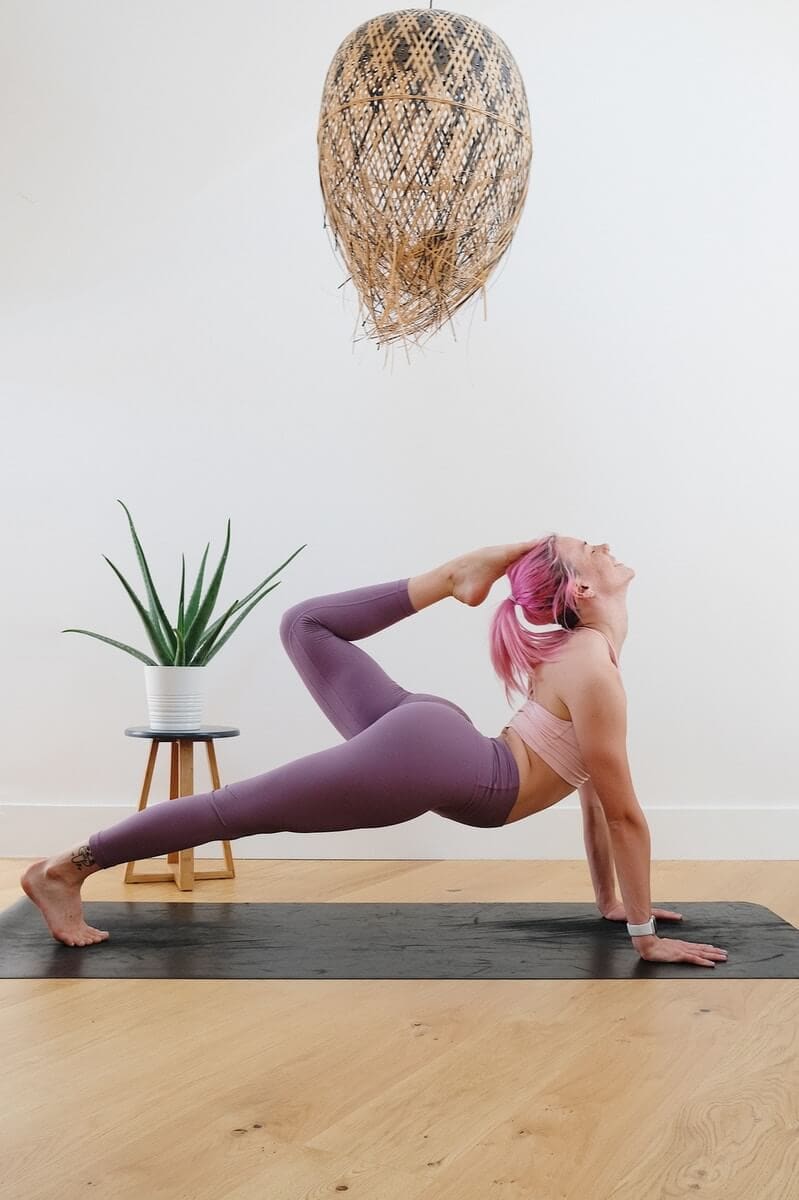
The landscape of global yoga practice has undergone a significant transformation, with the DoYou Global Yoga Survey 2021 highlighting a pronounced shift towards home-based routines. Polling over 10,000 respondents from 124 countries, the comprehensive survey, conducted during a period of unprecedented global health challenges, revealed that a remarkable 85% of practitioners now opt for yoga within the confines of their homes. This pervasive trend is not merely a temporary adaptation but signals a deeper evolution in how individuals engage with their wellness practices, propelled by a confluence of practical and personal factors.
The Pandemic’s Catalytic Role: A New Era for Home Wellness
The findings of the DoYou Global Yoga Survey 2021 are intrinsically linked to the backdrop against which it was conducted: the COVID-19 pandemic. Beginning in early 2020, the global health crisis triggered widespread lockdowns, social distancing mandates, and the temporary or permanent closure of fitness studios, gyms, and wellness centers worldwide. This abrupt disruption forced millions to seek alternative methods for maintaining their physical and mental well-being, inadvertently accelerating a nascent trend towards digital and home-based fitness. Before the pandemic, online yoga platforms and home practice had already begun to gain traction, but the ensuing restrictions transformed them from niche alternatives into essential resources. The survey, spanning 2021, captures a period when these adaptations were not just emergency measures but were beginning to solidify into established habits, influencing long-term behavior.
Key Drivers of the Home Practice Boom
The survey meticulously identified four primary reasons underpinning the surge in home yoga practice, illustrating a holistic shift in practitioner priorities:
1. Unmatched Convenience and Accessibility
Convenience emerged as the single most compelling factor, cited by 71% of home practitioners. The modern lifestyle, often characterized by demanding work schedules, lengthy commutes, and a constant juggle of responsibilities, leaves little room for rigid commitments. Practicing yoga at home eliminates the logistical hurdles associated with attending studio classes. Practitioners can engage in their routine at any hour, fitting it seamlessly into their daily lives without the added stress of travel, traffic, or adherence to a fixed timetable. The ability to practice immediately upon waking, during a lunch break, or late in the evening, without the need to change attire or leave the house, presents an undeniable allure. This flexibility extends to the environment itself; respondents noted the freedom to practice in their most comfortable attire—or none at all—fostering a sense of uninhibited self-expression often difficult to achieve in a public studio setting. This ease of access significantly lowers the barrier to entry for many, making consistent practice more attainable.
2. Enhanced Affordability and Economic Efficiency
In an economic climate where discretionary spending is often scrutinized, the cost-effectiveness of home yoga is a significant draw, influencing 46% of those who practice at home. Studio memberships, drop-in fees, and associated costs like transportation and specialized attire can accumulate rapidly. The advent of free online resources, particularly through platforms like YouTube, has democratized access to high-quality yoga instruction. Thousands of certified instructors now offer a vast library of classes catering to all levels and styles, completely free of charge. Beyond free content, subscription-based online platforms often present a more economical alternative to studio memberships, typically offering a wider variety of classes and instructors for a fraction of the cost. This financial accessibility makes yoga viable for a broader demographic, removing a considerable economic barrier that once limited participation for many.
3. The Sanctuary of Privacy and Personal Comfort
A substantial 33% of respondents highlighted privacy as a crucial motivation for choosing home practice. For many, the initial stages of yoga can be intimidating. Concerns about perceived judgment, comparing oneself to more experienced practitioners, or simply feeling self-conscious about one’s body or ability can deter individuals from entering a studio. Home practice offers a safe, non-judgmental space where individuals can explore poses, stumble, and experiment without external scrutiny. This sense of security is particularly valuable for beginners or those working through physical limitations or emotional vulnerabilities. It allows for a deeper, more introspective practice, free from the social pressures that can sometimes accompany group settings. This private sanctuary fosters self-acceptance and encourages a more authentic journey into yoga.
4. Autonomy and Tailored Practice
The ability to dictate the precise nature of one’s practice is another powerful incentive, valued by over 60% of overall survey respondents who emphasized the importance of instructor and atmosphere. At home, practitioners are entirely in control. They can choose their instructor (whether a live online class, a pre-recorded video, or even self-guided practice), select the style of yoga, duration, and intensity, and even curate their environment with specific lighting, music, or aromatherapy. This autonomy ensures that each session is perfectly aligned with their current physical, mental, and emotional needs, maximizing engagement and satisfaction. Unlike a studio class where the curriculum is set, home practitioners can modify poses, pause, rewind, or skip sections, creating a truly personalized experience that evolves with them. This level of customization ensures consistent enjoyment and progress, fostering a deeper connection to the practice.
Implications for the Yoga Industry: A Paradigm Shift
The widespread adoption of home yoga has profound implications for the traditional yoga industry. Studio owners, instructors, and equipment manufacturers are navigating a rapidly evolving market.
Challenges for Traditional Studios:
- Declining Foot Traffic: Studios face the ongoing challenge of attracting and retaining members who have become accustomed to the convenience and affordability of home practice.
- Increased Competition: The online sphere has dramatically expanded the pool of instructors and platforms, creating a highly competitive environment where physical studios must differentiate themselves.
- Revenue Models: Relying solely on in-person class fees may no longer be sustainable for many studios, necessitating diversification of revenue streams.
Opportunities for Innovation and Adaptation:
- Hybrid Models: Many studios are successfully implementing hybrid models, offering both in-person and online classes, sometimes through live streams or on-demand libraries. This allows them to cater to a broader audience and offer greater flexibility.
- Specialized Offerings: Studios can focus on unique niche classes, workshops, and retreats that emphasize the community aspect, personalized adjustments, and hands-on experiences that are difficult to replicate at home.
- Community Building: Re-emphasizing the social and communal benefits of in-person practice, such as shared energy, networking, and direct interaction with instructors, can help studios retain their unique value proposition.
- Instructor Development: Yoga instructors are increasingly needing to adapt their teaching styles for online formats, learning new technologies, and developing engaging digital content. This also opens up global opportunities for teaching.
- Equipment Market: The shift to home practice has spurred growth in the yoga equipment market, with increased demand for mats, props, blocks, straps, and specialized home fitness technology.
The Dual-Edged Mat: Downsides of Exclusive Home Practice
While the benefits of home practice are compelling, the survey also implicitly acknowledges its limitations, echoing concerns raised by many yoga professionals. Exclusive home practice, particularly for beginners or those with pre-existing conditions, carries inherent risks:
- Risk of Injury and Incorrect Form: Without the immediate, expert feedback of a trained instructor, practitioners may unknowingly adopt incorrect alignment or push themselves beyond their limits, leading to potential injury. Subtle adjustments that an instructor can spot in real-time are crucial for safe and effective practice.
- Lack of Personalized Guidance: Individuals with specific physical limitations, injuries, or health conditions benefit immensely from personalized modifications and supervision. An online video, no matter how comprehensive, cannot provide the bespoke attention a qualified instructor offers in person.
- Absence of Community and Motivation: The shared energy, camaraderie, and social interaction within a studio setting can be a powerful motivator and source of inspiration. The sense of belonging to a community can enhance mental well-being and encourage consistent attendance, aspects that are often missing in solitary home practice.
- Self-Discipline Challenges: While convenience is a draw, maintaining consistent self-discipline without external accountability can be challenging for some. The structure of a scheduled class can be a powerful tool for adherence.
The Emergence of the Hybrid Practitioner: A Balanced Future
The insights from the DoYou Global Yoga Survey, while highlighting the dominance of home practice, do not necessarily signal the demise of the yoga studio. Instead, they suggest the emergence of a more dynamic, hybrid model of engagement. Many practitioners are now skillfully blending home and studio practice, leveraging the advantages of both.
The "Why Not Do Both?" philosophy reflects a pragmatic approach to wellness. A practitioner might attend studio classes for the personalized instruction, community connection, and specialized workshops, while supplementing with home practice for daily consistency, flexibility, and exploring new styles. This dual approach offers the best of both worlds, maximizing both physical benefits and emotional well-being.
Yoga studios are encouraged to foster welcoming, non-judgmental environments, recognizing that a positive initial experience is crucial for attracting and retaining members. The survey’s disclaimer regarding the pandemic’s influence serves as a vital reminder: while the immediate surge in home practice was undoubtedly amplified by global restrictions, the underlying drivers of convenience, affordability, privacy, and control are enduring consumer preferences that will continue to shape the industry long after the pandemic recedes.
Conclusion: A Transformed Landscape
The DoYou Global Yoga Survey 2021 provides an invaluable snapshot of a pivotal moment in the history of yoga. It underscores a fundamental shift in how millions around the world access and integrate this ancient practice into their modern lives. The pandemic acted as a powerful accelerant, pushing home-based yoga from a peripheral option to a mainstream preference. As the world continues to adapt, the yoga industry is poised for further innovation, with studios, instructors, and online platforms evolving to meet the nuanced demands of a generation of practitioners who value flexibility, accessibility, and personalized control above all else. The future of yoga appears to be a rich tapestry woven from the convenience of the home and the community spirit of the studio, offering a diverse and inclusive path for all seeking balance and well-being.
