

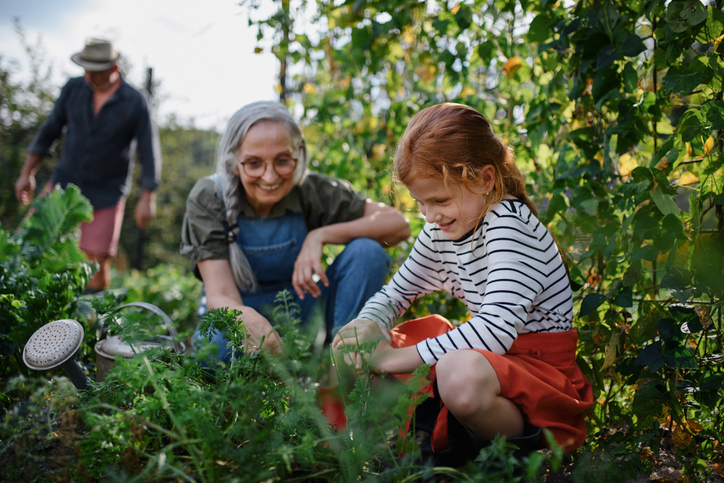
As the global population undergoes a historic demographic shift, with the World Health Organization (WHO) predicting that the number of people aged 60 and older will double to 2.1 billion by 2050, the medical community is increasingly looking toward holistic systems to manage the complexities of aging. While modern medicine has successfully extended the human lifespan, the focus is now shifting toward "healthspan"—the period of life spent in good health. In this context, Ayurveda, the ancient Indian system of medicine, offers a comprehensive framework for geriatric care known as Rasayana. This science does not merely view aging as a series of symptoms to be treated but as a natural, manageable transition that requires specific physiological and psychological adjustments.
The Ayurvedic perspective on aging, referred to as Jara, acknowledges that while the passage of time is inevitable, the speed and quality of biological decay are highly variable. In a modern era characterized by high stress, sedentary lifestyles, and processed diets, the "natural" process of aging is often accelerated by chronic conditions such as type 2 diabetes, cardiovascular disease, and cognitive decline. Ayurveda posits that through a combination of dietary discipline, herbal rejuvenation, and consciousness-based practices, individuals can maintain their vitality well into their sunset years, transforming the later stages of life from a period of depletion into one of wisdom and resilience.

The Biological Chronology of Life: Understanding the Vata Stage
To understand the Ayurvedic approach to aging, one must first understand the chronology of the Doshas, or the functional energies that govern human physiology. Ayurveda divides the human lifespan into three distinct phases: the Kapha stage (childhood), the Pitta stage (adulthood), and the Vata stage (senior years).
The Kapha stage is defined by growth, moisture, and the building of structure. As an individual transitions into the Pitta stage, usually from puberty through middle age, the focus shifts to transformation, metabolism, and productivity. However, as individuals enter their 50s and 60s, they transition into the Vata stage of life. Vata is characterized by the elements of air and ether; its qualities are cold, dry, rough, light, and mobile.
The onset of the Vata stage—often marked in women by the transition of menopause—brings a natural tendency toward catabolism or the breaking down of tissues. When Vata becomes imbalanced due to external stressors or improper lifestyle choices, it manifests as the common ailments associated with aging. These include osteoporosis (bone porosity), sarcopenia (muscle loss), dry and thinning skin, chronic constipation, insomnia, and heightened anxiety. By identifying aging as a Vata-dominant process, Ayurveda provides a specific roadmap for intervention: using "opposing qualities" to restore balance, such as warmth, moisture, stability, and nourishment.

Rasayana: The Science of Rejuvenation and Prevention
At the heart of Ayurvedic geriatrics is Rasayana, a specialized branch of medicine dedicated to rejuvenation. The term "Rasayana" literally translates to "the path of essence" (Rasa meaning essence or nutrition, and Ayana meaning path). The primary goal of Rasayana therapy is to optimize the quality of the Dhatus (body tissues) and enhance Ojas, the subtle energy responsible for immunity and vitality.
Clinical research into Rasayana herbs has gained momentum in recent years. For instance, studies on Withania somnifera (Ashwagandha) have demonstrated its adaptogenic properties, helping the elderly manage cortisol levels and improve cognitive function. Similarly, Bacopa monnieri (Brahmi) is being studied for its potential to mitigate age-related memory loss and neurodegeneration. Unlike conventional "anti-aging" products that often focus on superficial aesthetics, Rasayana is an internal systemic approach designed to improve the "Agni" (metabolic fire), ensuring that nutrients are properly absorbed and waste products (Ama) are efficiently eliminated.
Supporting Data: The Growing Burden of Age-Related Chronic Disease
The necessity for integrative approaches like Ayurveda is underscored by current health statistics. According to the Centers for Disease Control and Prevention (CDC), approximately 80% of older adults have at least one chronic condition, and 50% have at least two. Heart disease, cancer, and stroke remain the leading causes of death among those aged 65 and older.
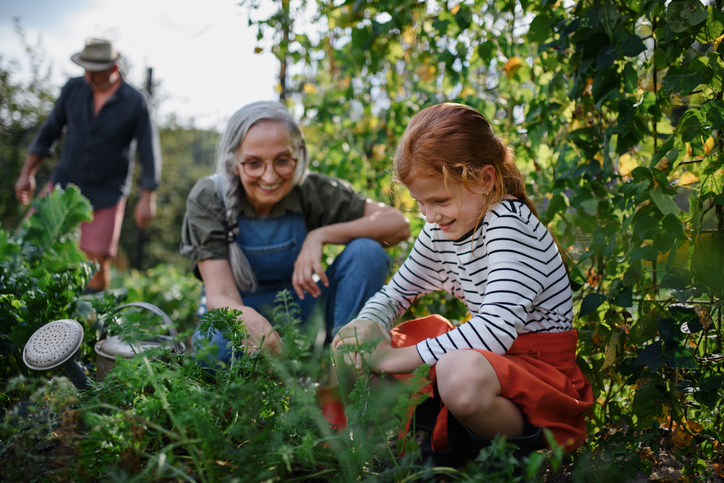
Furthermore, the economic implications are staggering. The cost of treating chronic diseases in the aging population is expected to reach trillions of dollars globally over the next two decades. Ayurveda offers a cost-effective, preventative model that emphasizes lifestyle as medicine. By managing the "Vata stage" through diet and routine, many of the "preventable and costly health challenges" mentioned by practitioners—such as obesity-related diabetes and mobility issues caused by arthritis—can be mitigated before they require intensive clinical intervention.
Five Core Ayurvedic Benefits for the Aging Population
Ayurvedic practitioners highlight five primary areas where traditional practices significantly enhance the quality of life for seniors:
- Metabolic Regulation and Digestive Health: As the body ages, the digestive fire (Agni) tends to weaken, leading to nutrient malabsorption and the accumulation of toxins. Ayurveda utilizes warming spices and easy-to-digest "Sattvic" foods to maintain metabolic efficiency.
- Cognitive Preservation: Through the use of "Medhya Rasayanas" (nootropic herbs), Ayurveda supports brain health, helping to counter the "mobile" and "light" qualities of Vata that manifest as forgetfulness and mental instability.
- Joint and Bone Integrity: The "dry" quality of Vata often leads to the depletion of synovial fluid in the joints. Ayurvedic therapies like Abhyanga (warm oil massage) provide deep lubrication to the tissues, maintaining flexibility and reducing the pain associated with arthritis.
- Sleep and Nervous System Stability: Insomnia is a hallmark of Vata imbalance. Ayurveda emphasizes grounding routines and evening rituals that calm the nervous system, ensuring the deep restorative sleep necessary for cellular repair.
- Immune Resilience: By focusing on the production of Ojas, Ayurveda helps the elderly maintain a robust immune response, which is critical in protecting against infections and chronic inflammation.
Implementation: Balancing Vata Through Lifestyle and Diet
For those entering the Vata stage of life, Ayurveda recommends a shift in daily habits to counter the natural tendencies of degeneration. The "anti-aging" plan typically involves:
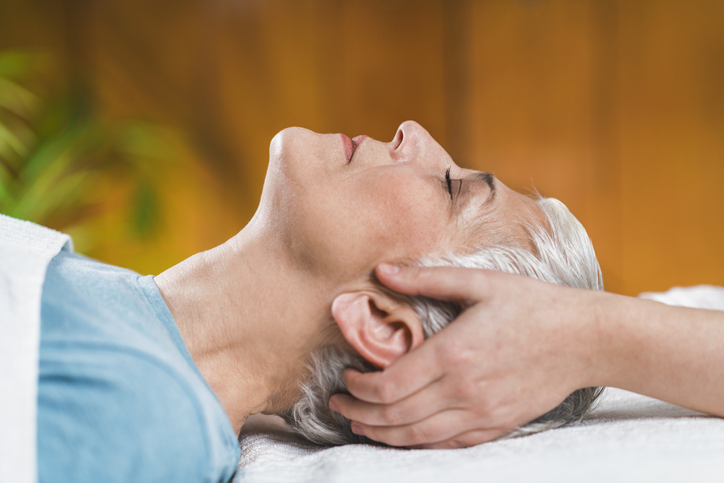
- Dietary Adjustments: Transitioning from cold, raw foods (which aggravate Vata) to warm, cooked, and unctuous meals. The inclusion of healthy fats like Ghee is essential for lubricating the internal organs and supporting brain health.
- Dinacharya (Daily Routine): Establishing a consistent rhythm for waking, eating, and sleeping. This consistency provides a "grounding" effect that counters the "mobile" quality of Vata.
- Snehana (Oleation): The regular application of warm oils to the body. This is not merely a cosmetic practice but a method of delivering herbal properties through the skin into the deeper tissues.
Official Perspectives and the Consciousness-Based Approach
Vaidya Jayarajan Kodikannath, a prominent figure in the Ayurvedic community, emphasizes that the scope of this science covers the entirety of the human experience. "Life begins with the first breath, ends with the last breath, and all the Ayurvedic practices are there to support our healthcare at each stage in the interim," Kodikannath notes. He argues that as lifespans lengthen, the focus must shift to the "quality of longevity," a gap that Ayurveda is uniquely equipped to bridge.
This quality of longevity is not solely physical. Ayurveda incorporates a "consciousness-based approach" to aging, recognizing that loneliness, depletion, and ageism are significant factors in the health of the elderly. Practices such as meditation, Pranayama (breathwork), and the cultivation of "Sattva" (mental clarity and peace) are considered essential components of a rejuvenation regimen. By addressing the psychological impact of retirement and the shifting of social roles, Ayurveda helps individuals find purpose and mental strength in their later years.
Broader Implications for Global Healthcare Systems
The integration of Ayurvedic principles into mainstream geriatric care represents a significant shift toward personalized medicine. Rather than a one-size-fits-all approach to aging, Ayurveda allows for "Prakriti-based" (constitution-based) interventions that account for an individual’s unique genetic and environmental makeup.

As chronic diseases abound and healthcare systems struggle with the weight of an aging demographic, the preventative and rejuvenative strategies of Rasayana offer a sustainable path forward. The emphasis on "building resilience" rather than merely "treating symptoms" aligns with the modern move toward proactive wellness. By adopting these ancient mind-body sciences, society can move toward a future where gray hair and wrinkles are indeed testimonies of wisdom, supported by a body and mind that remain vibrant, functional, and strong.
The "anti-aging" plan of the future is not found in a laboratory alone, but in the harmonious alignment of daily life with the natural cycles of the seasons and the stages of human existence. As the global community continues to navigate the challenges of the 21st century, the holistic wisdom of Ayurveda provides a vital bridge between ancient tradition and modern health needs.
