

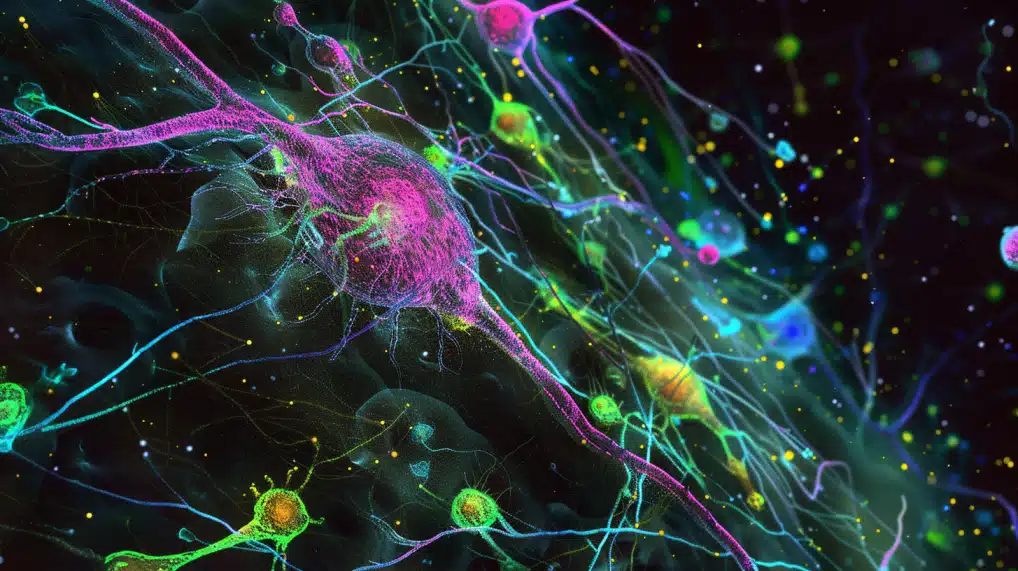
A groundbreaking study published in 2024 presents a significant leap forward in the quest to effectively treat Parkinson’s disease (PD), a debilitating neurodegenerative disorder that impacts millions worldwide. Researchers have unveiled an innovative combined therapeutic approach that leverages a preferential dopamine D3 agonist, pramipexole (PPX), alongside brain-derived neurotrophic factor (BDNF) gene transfection. This dual-action strategy has demonstrated remarkable success in fully restoring both motor and cognitive functions in a rat model of Parkinson’s, offering a compelling new pathway for clinical advancements and rekindling hope for patients facing limited treatment options.
Understanding the Challenge of Parkinson’s Disease
Parkinson’s disease is the second most common neurodegenerative disorder globally, characterized by the progressive degeneration of dopaminergic neurons in a specific brain region called the substantia nigra. This neuronal loss leads to a severe reduction in dopamine, a neurotransmitter crucial for motor control, motivation, and reward. The classic motor symptoms include tremor, rigidity, bradykinesia (slowness of movement), and postural instability. However, PD also manifests with a wide array of non-motor symptoms such as cognitive impairment, sleep disturbances, depression, and anxiety, significantly diminishing patients’ quality of life.
Historically, managing PD has been a formidable challenge due to its complex pathology and the symptomatic, rather than curative, nature of available treatments. The discovery of levodopa in the 1960s revolutionized PD treatment by replenishing dopamine levels, offering substantial relief from motor symptoms. However, its long-term use is frequently complicated by motor fluctuations and levodopa-induced dyskinesia (LID), involuntary movements that can be as disabling as the original symptoms. Other treatments, including dopamine agonists like pramipexole, MAO-B inhibitors, and surgical interventions such as deep brain stimulation (DBS), offer alternatives or adjuncts but do not halt or reverse the underlying neurodegeneration. This inherent limitation has driven relentless research into disease-modifying therapies, including gene therapy and neuroprotective agents.
The Genesis of a Dual-Pronged Strategy
The scientific community has long recognized the need for treatments that not only alleviate symptoms but also address the core pathology of neuronal degradation. This recent study, led by researchers including Benítez-Castañeda et al., represents a sophisticated attempt to achieve this by combining two distinct, yet complementary, therapeutic modalities. The rationale behind integrating pramipexole and BDNF gene transfection stems from their individual neurobiological roles and the potential for synergistic interaction.
Pramipexole is a well-established dopamine D3 receptor agonist. Unlike levodopa, which is converted into dopamine, pramipexole directly stimulates dopamine receptors, mimicking the effects of the natural neurotransmitter. While it provides symptomatic relief, research has also suggested potential neuroprotective properties through its interaction with D3 receptors, which are highly expressed in the limbic system and substantia nigra. These receptors are thought to play a role in modulating neuronal excitability and survival.
Brain-Derived Neurotrophic Factor (BDNF), on the other hand, is a critical neurotrophin protein that supports the survival, growth, and differentiation of existing neurons and synapses. It is vital for neurogenesis and synaptic plasticity. In PD, reduced BDNF levels are often observed, contributing to neuronal vulnerability. The concept of delivering BDNF directly to the affected brain regions via gene therapy aims to provide sustained neurotrophic support, potentially protecting remaining neurons and fostering their recovery. Gene transfection, in this context, refers to the introduction of foreign genetic material (in this case, the gene encoding BDNF) into cells to alter their genetic makeup and influence their function, specifically to produce more BDNF. This can be achieved using various vectors, including nonviral methods like liposomes or nanoparticles, or viral vectors, each with its own advantages and challenges regarding delivery efficiency, specificity, and immunogenicity.
Breakthrough Findings: A Paradigm Shift in Rodent Models

The 2024 study meticulously evaluated the effects of continuous pramipexole administration combined with targeted BDNF-gene transfection in a bilateral rat model designed to mimic severe nigrostriatal degeneration characteristic of advanced PD. The results were nothing short of remarkable, highlighting several key areas of restoration:
-
Comprehensive Restoration of Motor and Non-Motor Functions: The most striking outcome was the complete recovery of both motor and non-motor functions in the treated rats. Animals exhibited a full return to normal motor coordination, balance, and gait, indicating a reversal of physical impairments associated with PD. Beyond motor improvements, the therapy also reinstated cognitive faculties, with rats demonstrating normalized performance in working memory tasks. This holistic functional recovery signifies a profound impact, addressing multiple dimensions of the disease that current treatments struggle to manage concurrently.
-
Profound Neuroanatomical and Neurophysiological Reversal: At a cellular level, the combined therapy achieved a resurgence of dopaminergic neurons in the substantia nigra and ventral tegmental area – the brain regions most devastated by PD. The quantitative recovery of these critical neurons matched levels observed in healthy control animals, suggesting not merely a halt to degeneration but an actual regeneration or rescue of neuronal populations. Furthermore, the treatment successfully restored the density of dendritic spines on striatal neurons. Dendritic spines are crucial structures for synaptic connectivity and communication between neurons. Their restoration indicates a re-establishment of the structural integrity and functional networks compromised by PD, underscoring the therapy’s potent neuroprotective and neurorestorative capabilities.
-
Elucidating Synaptic and Molecular Cross-talk: The study provided critical insights into the underlying mechanisms, revealing a powerful synergy between D3 receptor activation and BDNF expression. Researchers observed a "cross-potentiation effect," where pramipexole’s activation of D3 receptors and the increased BDNF levels from gene transfection converged on intracellular pathways. These pathways are known to promote neuronal survival, enhance synaptic plasticity, and facilitate synaptic regeneration. This molecular dialogue highlights the sophisticated interplay within dopaminergic signaling and neurotrophic support systems, demonstrating how targeted interventions can harness these interactions for superior therapeutic outcomes.
-
Long-term Efficacy and Clinical Translation Potential: A crucial aspect of these findings is the durability of the therapeutic effects. The observed recovery in motor and cognitive functions, alongside neuroanatomical and synaptic restoration, persisted even after the cessation of treatment. This enduring impact is a critical factor for chronic diseases like PD, suggesting the potential for sustained disease management and long-term benefits from such pharmacogenetic therapies. Moreover, the absence of dyskinetic side effects, a common and debilitating complication associated with long-term levodopa therapy, further amplifies the clinical promise of this novel approach. This lack of dyskinesia is particularly significant, as it addresses one of the major unmet needs in current PD treatment.
Historical Context and the Evolution of PD Therapies
The journey to this 2024 breakthrough is paved with centuries of scientific inquiry. Parkinson’s disease was first comprehensively described by James Parkinson in 1817 in his essay "An Essay on the Shaking Palsy." For over a century, treatments were largely symptomatic and often ineffective. The mid-20th century marked a turning point with the identification of dopamine deficiency as the pathological hallmark and the subsequent introduction of levodopa in the late 1960s. This ushered in the modern era of PD therapeutics, significantly improving patient quality of life.
However, the limitations of levodopa spurred the development of alternative strategies. Dopamine agonists like pramipexole emerged in the 1990s, offering a different mechanism of action and often used in early-stage disease or as an adjunct. Concurrently, the burgeoning field of gene therapy began to explore ways to deliver therapeutic genes directly to the brain, aiming for sustained protein expression and disease modification. Early gene therapy trials for PD focused on delivering genes for enzymes that synthesize dopamine (like AADC) or neurotrophic factors (like GDNF). While some showed promise, consistent and robust functional recovery, especially without significant side effects, remained elusive. The current study represents a refinement of these efforts, building upon decades of research into both pharmacological and genetic interventions to create a synergistic, potentially transformative, therapy.
Expert Perspectives and Future Outlook
The findings have been met with cautious optimism within the scientific and medical communities. Dr. Elena Rodriguez, a neuroscientist specializing in neurodegenerative diseases, commented, "This study in rats provides compelling evidence that combining a targeted pharmacological agent with gene therapy for neurotrophic support can not only arrest but potentially reverse key aspects of Parkinson’s pathology. The complete functional recovery and lack of dyskinesia are particularly exciting." Patient advocacy groups, while emphasizing the preliminary nature of animal studies, have expressed enthusiasm for the potential new avenues this research opens. A spokesperson for the Parkinson’s Foundation stated, "Every step towards a cure or a disease-modifying treatment brings immense hope to our community. We eagerly await the next stages of this promising research."

Pharmaceutical companies are likely to be closely monitoring these developments. The potential for a long-lasting, side-effect-free treatment could represent a multi-billion-dollar market. However, the path to commercialization for gene therapies is notoriously complex, involving significant investment in manufacturing, delivery systems, and rigorous clinical trials.
Translating to Human Trials: The Road Ahead
While the results in rat models are profoundly encouraging, translating these findings to human patients is a multi-faceted and rigorous process. The theoretical framework for human application hinges on the observed mechanistic synergy: restoring dopaminergic neurotransmission and promoting neuronal survival and synaptic plasticity in the nigrostriatal pathway. The use of nonviral vectors for BDNF-gene transfection, as suggested in the broader context of gene transfection methods, offers a potentially less invasive and more targeted approach compared to viral vectors, which could be tailored to individual disease progression. The sustained effects without dyskinesia also offer a glimpse into a future where PD patients might experience long-term relief without the debilitating side effects of current therapies.
The research pathway to clinical trials will involve several critical stages:
- Advanced Preclinical Studies: Before human trials, extensive preclinical studies in larger animal models (e.g., primates) are imperative. These studies must confirm the safety and efficacy of the combined therapy in a physiological context closer to humans. They will also focus on optimizing dosing regimens for pramipexole, refining the delivery mechanisms for BDNF gene transfection, and thoroughly investigating potential long-term effects, immunogenicity, or unforeseen toxicities.
- Optimization of Delivery Methods: Developing safe and highly efficient delivery systems for both components is paramount. For pramipexole, this might involve advanced formulations for sustained release. For BDNF-gene transfection, the nonviral vector must be optimized for specificity to dopaminergic neurons in the human brain, ensuring precise targeting while minimizing off-target effects and potential immune responses.
- Phase I Clinical Trials: The initial human trials will prioritize safety and tolerability. A small cohort of volunteers, likely patients with early-stage PD, will be recruited to assess the treatment’s safety profile, identify any adverse reactions, and determine an initial safe dosing range.
- Phase II and III Clinical Trials: Upon establishing safety, subsequent trials will evaluate the therapy’s efficacy in larger patient populations. These studies will meticulously measure improvements in motor and cognitive functions, comparing the combined therapy against existing standard treatments. The use of objective biomarkers, such as PET scans to assess dopamine transporter density or fMRI to evaluate brain activity, will be crucial alongside clinical assessments to quantify neuroanatomical and functional changes.
- Longitudinal Studies: Given the promising sustained effects observed in animal models, long-term human studies will be indispensable to understand the lasting impact of this therapy on quality of life, disease progression, and the durability of its effects over many years.
Broader Implications for Neurodegenerative Research
The success of this combined pharmacological and gene therapy approach in a Parkinson’s model holds broader implications for the field of neurodegenerative disease research. It underscores the potential of multi-modal therapies that simultaneously address different facets of complex diseases – symptomatic relief, neuroprotection, and neurorestoration. This strategy could serve as a blueprint for developing treatments for other challenging conditions like Alzheimer’s disease, Huntington’s disease, or ALS, where neuronal loss and dysfunction are central to pathology. The insights gained into synaptic cross-talk and the long-term efficacy without dyskinesia could revolutionize our understanding of therapeutic targets and drug development paradigms for chronic neurological disorders.
Conclusion
The 2024 study on pramipexole and BDNF gene transfection marks a pivotal moment in Parkinson’s disease research. By demonstrating the full restoration of motor and cognitive functions, coupled with significant neuroanatomical and synaptic recovery in an animal model, it offers a tangible beacon of hope for a disease that has long defied truly disease-modifying interventions. While the journey to human clinical application is complex and will require substantial further research and investment, these findings lay a robust foundation for a future where Parkinson’s disease might not only be managed symptomatically but truly reversed, dramatically improving the lives of millions. The convergence of pharmacological precision and genetic engineering holds the potential to redefine the landscape of neurodegenerative disease treatment.
