

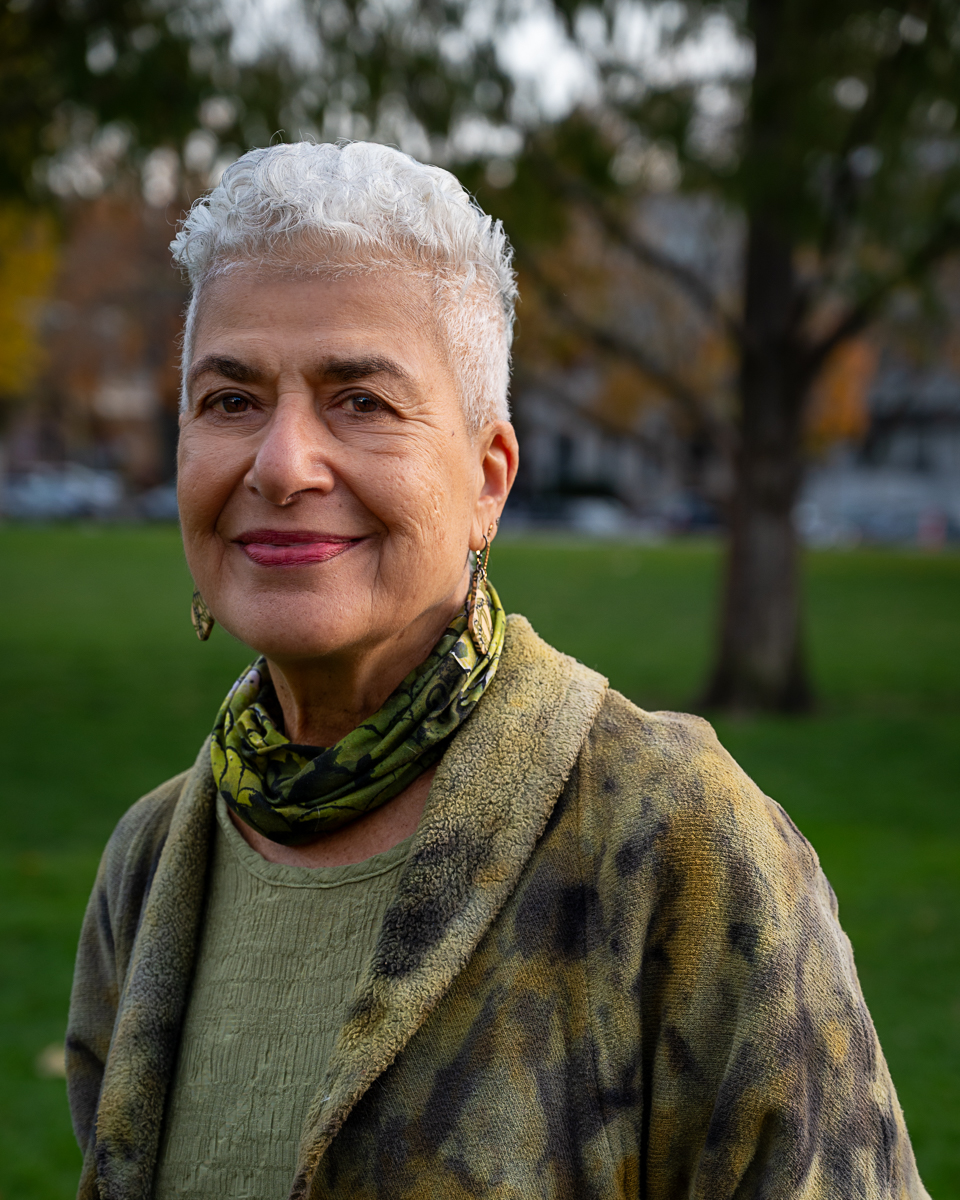
Every Monday morning, a virtual sanctuary opens on Zoom, hosted by the Cambridge Public Library, where a community of elders gathers. This is not merely a digital meeting space; it is a testament to the transformative power of mindfulness practices tailored to the unique challenges and wisdom of later life. For eighteen months, this program, which began as an experimental initiative, has blossomed into a vibrant public library-centered sangha, fostering a collective inquiry into how contemplative practices can enrich the experience of aging. Participants, often arriving with the physical and emotional burdens of arthritis, chronic illness, grief, and the natural decline of balance, find a profound space for acceptance and connection.
The program’s foundation rests on a gentle yet radical reorientation towards the aging body. In a culture that often marginalizes or even disdains aging, this initiative deliberately cultivates tenderness. Instead of harboring resentment towards the process of growing older, participants are guided through practices designed to accompany their bodies with mindful attention. These include interoception, the awareness of internal bodily states; loving-kindness meditation, fostering compassion for oneself and others; and resting attention, cultivating a stable and non-judgmental awareness. These practices are deeply rooted in Buddhist teachings, emphasizing surrender to the present moment and an embrace of life’s inherent fragility.
Following the initial meditation, a brief reflection is offered, drawing from diverse sources. These can range from the Buddhist "five recollections," which contemplate impermanence and the inevitability of aging, sickness, and death, to evocative poetry or the profound teachings of elder practitioners. This contemplative seeding then transitions into a crucial phase: turning toward one another.
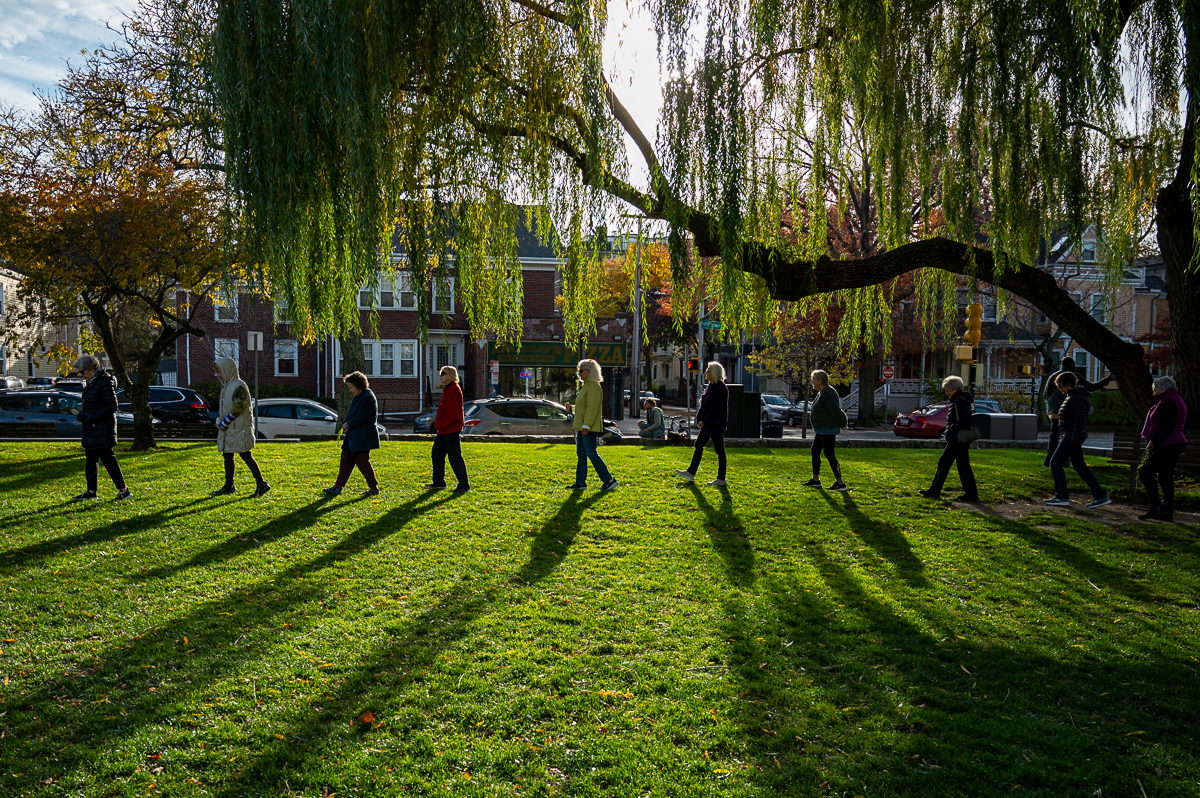
Small breakout groups are established, where elders are invited to share their experiences and listen with unwavering attention. Strict guidelines are in place: no fixing, no unsolicited advice-giving, only the commitment to deep, present listening. In a society that frequently isolates older adults or pathologizes the natural process of aging, this shared presence emerges as a potent form of medicine. As one participant articulated, "Feeling connected to and resonating with a community of elders supports my acceptance of aging. I feel increasingly safe in the group discussions."
The program’s initial iteration drew heavily from the insights of Olivia Ames Hoblitzelle, a psychologist and meditation teacher, whose book, Aging with Wisdom, frames elders as "wayshowers." These are individuals who, having navigated the terrain of aging, sickness, and death, can illuminate the path for others. This spirit of guidance and shared wisdom now animates the weekly gatherings, fostering a willingness to confront what Hoblitzelle terms "the grace of diminishment." Further inspiration is found in the words of Katsi Cook, a Mohawk wise woman, who describes elderhood as a "generational transfer of wealth," highlighting the invaluable knowledge and experience that elders possess.
The Voices of Experience: Testimonies from Program Participants
To illustrate the impact of this unique initiative, four regular attendees share their personal journeys and experiences within the mindfulness program.
Cameron Lane: Grounding Amidst Life’s Currents
Cameron Lane, 67, a native of Barbados who grew up in Cambridge, describes his life’s trajectory as a profound process of "returning to the nest." His journey has been marked by deep devotion—to his decades of dedicated work at an electric company, to his Christian faith, and most significantly, to his wife, Anne, whom he has lovingly cared for through over thirty years of mental illness.
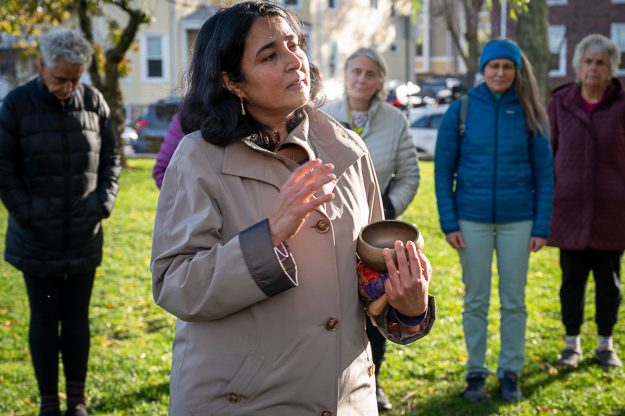
In the mindfulness sessions, Lane often employs the language of electricity, drawing parallels between human beings and batteries that require grounding and discharge, and how energy flows and settles. Amidst ongoing personal crises, including his wife’s recent hospitalization, mindfulness has provided him with a vital tool to nurture his own mental and physical well-being while steadfastly remaining present for those he cares for. A poignant teaching from his mother, "We are born in pain, and hopefully we don’t live in pain, and we pray we don’t die in pain," resonates deeply as he navigates what he terms the "final third of life." Mindfulness, for Lane, serves as a compass, enabling him to meet uncertainty with unwavering faith and a deeply cultivated love.
Elka Kuhlman: Finding Clarity Through Inner Resonance
Elka Kuhlman, 72, carries the unspoken legacy of her family’s experiences during the Holocaust. Her early encounters with meditation began almost serendipitously while working her way through college, where she discovered Transcendental Meditation®. The practice of twenty minutes, twice daily, became a refuge, offering solace through the demanding years of parenting and a fulfilling career in education.
A pivotal moment arrived when her daughter introduced her to the Cambridge Insight Meditation Center (CIMC). There, Kuhlman experienced an immediate sense of resonance. The practice did not demand an abandonment of her past but rather offered practical tools for perceiving her inner landscape with enhanced clarity. Observing elders in her own family confront old age with fear and rigidity, Kuhlman deeply values the freedom this program provides to speak openly about pain, anxiety, and the evolving nature of identity. "Fixing interrupts real listening," she observes, emphasizing her desire for a space to articulate her experiences and discover meaning without the imposition of external advice.
Philippa Bovet: Embracing the Grace of Listening
Philippa Bovet, 88, born in England and raised in Paris, has called the United States home for over five decades. The Presbyterianism of her upbringing, she found, ultimately proved insufficient for her spiritual needs. In midlife, friends introduced her to CIMC, and through regular meditation sessions and teachings spanning various traditions, she experienced a profound deepening of her inner life. Nature, too, has served as a significant teacher. During the pandemic, weekly walks to a nearby waterfall with a close friend became a form of meditation in itself, offering lessons in interconnection and sparking a sense of wonder through the observation of subtle shifts in water, plants, and light.
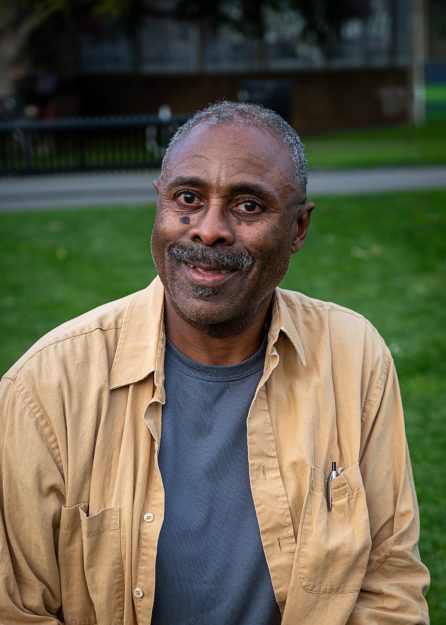
Residing in a senior community, Bovet frequently observes how conversations surrounding aging and death are often deliberately avoided. Mindfulness, she notes, has fundamentally altered her relationship with aging, teaching her the invaluable practice of pausing and softening rather than rushing or resisting. If aging presents a singular request, Bovet believes it is the call to listen—deeply and with profound love.
Ruth Farris: Resilience Through Realism and Compassion
Ruth Farris, 75, was raised Catholic. In her twenties, a twelve-step program for food addiction profoundly reshaped her understanding of faith, emphasizing honesty and daily reflection. Later, Buddhism offered practices that grounded her in self-compassion. "I’m an amalgam of many things," she states, adding, "life is hard enough without the burden of what you’re hiding."
Hailing from a working-class Lebanese American family and a career in social work, Farris’s perspective on aging is shaped by a blend of humor, realism, and a deep-seated care for others. Experiencing a broken arm this year felt, in her words, "the beginning of the end." Mindfulness, however, equips her to meet this vulnerability with patience and a grounded perspective. She acknowledges the pervasive reality of ageism, particularly within medical settings, but finds in this program a space where she is not spoken down to. The group offers her dignity, recognition, and the invaluable camaraderie of her peers.
Broader Implications and the Cultural Imperative of Acknowledging Aging
In Buddhist teachings, aging is explicitly acknowledged alongside sickness and death as one of life’s unavoidable and precious truths. Yet, the prevailing cultural narrative often encourages the denial and concealment of these realities. The Cambridge Public Library program stands as a powerful counterpoint, bringing together elders from diverse backgrounds—spanning varied religious beliefs, socioeconomic statuses, and ethnicities—who are actively seeking connection and respite.
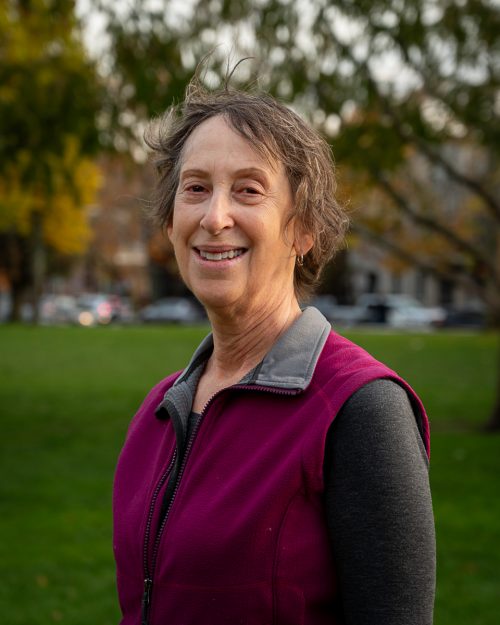
Witnessing their courage and their willingness to remain present with whatever arises is deeply inspiring. Each "Mindfulness Monday" is an intentional effort to empower elders, enabling them to stand firm in their inherent beauty and to reclaim their dignity in a society that often overlooks or undervalues their contributions.
The program’s facilitator often reflects on the poet May Sarton’s counsel to "imitate the trees," who "let fall the riches of a season, without grief." This imagery underscores the perception that "nothing stays the same for long, not even pain." Sarton’s urging to "sit it out, let it all pass. Let it go" resonates profoundly within the context of this contemplative practice. In a take-home exercise offered during the spring, participants were encouraged to connect with trees, viewing them as elder guides—rooted, resilient, and adaptable, moving with the wind while sheltering others. This metaphor encapsulates the program’s aspiration: to foster a similar rootedness, acceptance, and grace in the lives of its participants as they navigate the natural unfolding of age. The program’s success suggests a growing recognition of the need for dedicated spaces that support the psychological and spiritual well-being of older adults, transforming the often-feared experience of aging into one of wisdom, connection, and profound acceptance.
