

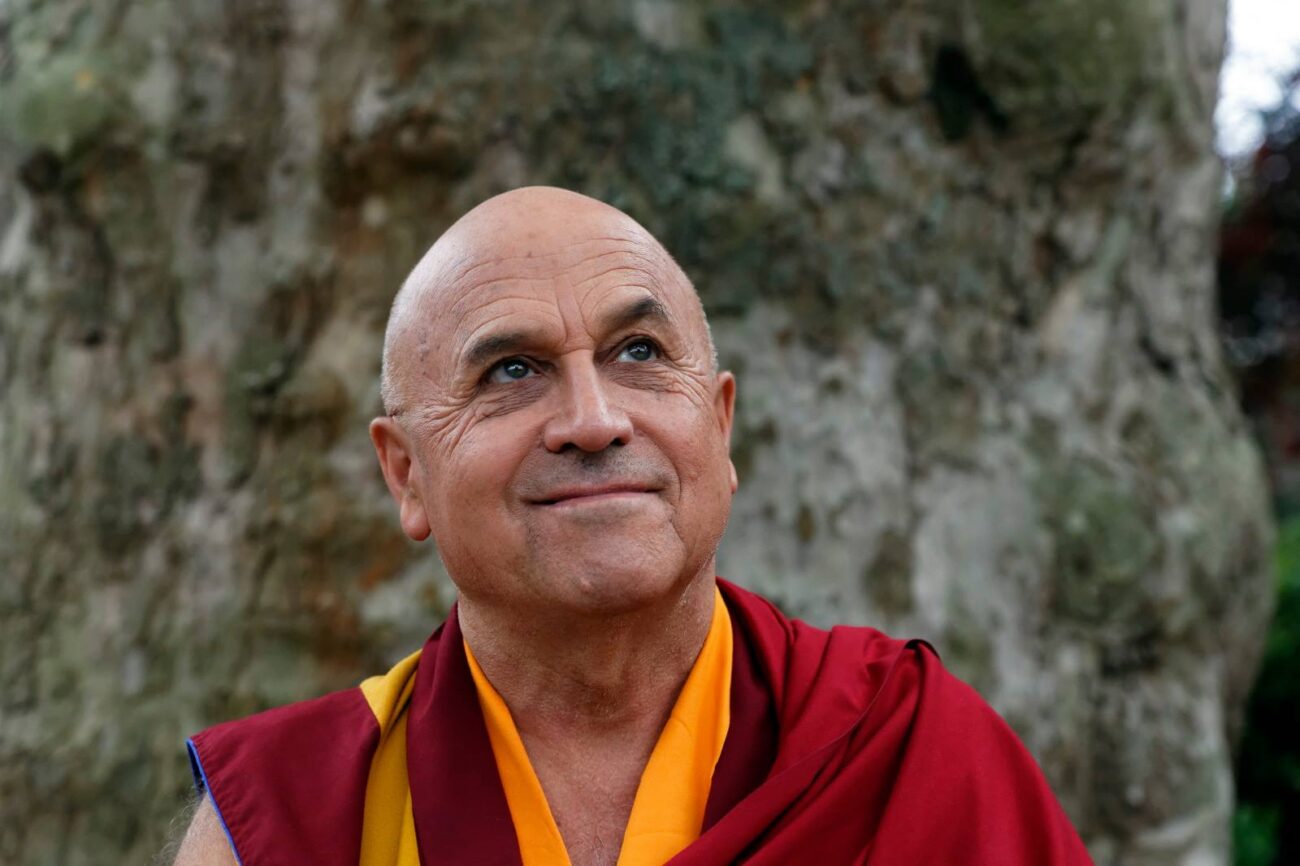
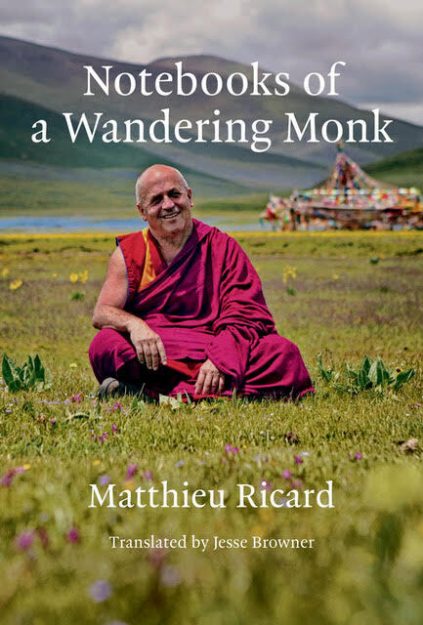
Matthieu Ricard, a renowned Buddhist monk, author, and photographer, has shared intimate reflections on the profound influence of his spiritual teacher, Dilgo Khyentse Rinpoche. In a personal account, Ricard details the daily routines, spiritual practices, and unwavering compassion that characterized Khyentse Rinpoche’s life, offering a vivid portrait of a master dedicated to the well-being of his students and the transmission of Buddhist teachings. The narrative, drawn from Ricard’s book "Notebooks of a Wandering Monk," highlights not only the serene devotion of the master but also his discerning and sometimes stern approach to guiding disciples toward genuine spiritual progress.
The Dawn of Devotion: A Glimpse into Daily Practice
Ricard’s recollection begins with the precise and disciplined rhythm of Khyentse Rinpoche’s mornings. Waking between four and five o’clock, the Rinpoche’s awakening signaled the start of a day steeped in ritual and contemplation. Ricard, as a close attendant, describes the meticulous process of assisting his teacher: rising, preparing his space, offering prostrations, and then meticulously unfolding the day’s spiritual regimen. This included tending to Khyentse Rinpoche’s prayer book, a volume of several hundred pages, and serving him from a jade cup, a daily ritual. The preparation and distribution of medicinal pills, crafted from medicinal plants and the relics of past masters, were also a significant part of this morning’s observance. These pills, consecrated during extended ceremonies known as drupchens, were believed to carry the blessings generated by these profound spiritual gatherings, aimed at both enlightenment and longevity. Ricard notes that these sacred substances were not solely for the Rinpoche but also for his wife, other lamas, and even for himself, underscoring a sense of shared spiritual endeavor.
Following these initial preparations, Khyentse Rinpoche would dedicate the next two to three hours to silent meditation. Ricard, seated on the floor facing his teacher, would engage in his own practices and prayers, occasionally refilling the Rinpoche’s teacup. The morning meal, typically tsampa (roasted barley flour) mixed with salted butter tea, was served at 7:30 AM. The personal grooming of Khyentse Rinpoche, including the careful styling of his long gray hair into a chignon, was a task handled by Tsewang Lhundrup, a testament to the collaborative nature of the monastic household. Ricard humorously recalls his own past inability to master this particular skill, highlighting the expertise of others within the community. The preservation of long strands of hair from the comb, offered as relics to followers, further illustrates the profound reverence in which Khyentse Rinpoche was held.
The Power of Relics: Tangible Connections to the Sacred
The practice of preserving hair or other personal items from revered spiritual figures is a deeply ingrained tradition in many spiritual lineages. As Ricard eloquently explains, these relics serve as tangible anchors for memory and spiritual connection. Drawing a parallel to possessing an item worn by Socrates or a lock of hair from Jesus Christ, he emphasizes how such objects can powerfully evoke the presence of extraordinary beings. In the Buddhist context, the relics of great sages are not merely sentimental keepsakes; they are seen as conduits for reanimating the wisdom and boundless compassion of enlightened masters. The Dalai Lama himself has spoken of how the presence of objects directly connected to a guru can foster an inner opening to their qualities, generating blessings in the mind of the practitioner. This underscores the psychological and spiritual efficacy of these physical connections to the sacred.
A Master of Instruction: Dispelling Doubt and Illuminating the Path
Around 8:30 AM, Khyentse Rinpoche would conclude his period of silence and receive visitors. His interactions were characterized by a profound ability to offer spiritual instruction, practical advice, or blessings tailored to the specific needs of each individual. He would also consecrate sacred statues and paintings, and engage in dialogues with pilgrims and messengers from other lamas, exchanging news and offering guidance. Ricard emphasizes the Rinpoche’s unparalleled grasp of Buddhist teachings and contemplative practices, stating it was "impossible to imagine him being stuck for an enlightening answer to any question." This intellectual and spiritual acuity was coupled with a remarkable humility. Even when discussing profound stages of the path or signs of spiritual accomplishment, Khyentse Rinpoche would consistently attribute his knowledge to his own teachers, framing his insights as a transmission through an unbroken lineage of accomplished masters, likening it to "links in a gold chain."
During important ceremonies, Khyentse Rinpoche would preside from the main throne in the temple, remaining present throughout the day, even during lulls, and continuing to receive visitors. When a student requested a teaching, he would often invite them to return at lunchtime. During these meals, shared generously with visitors, he would open the relevant texts and commence his instruction. This practice of sharing food, accompanied by the simple yet profound exhortation to "eat, eat!," exemplifies his compassionate engagement with his disciples.
The Dual Nature of Compassion: Gentleness and Uncompromising Rigor
Khyentse Rinpoche’s demeanor was a study in contrasts. He was deeply gentle and patient, yet his imposing presence commanded profound respect. Ricard notes a palpable reluctance to leave his presence, coupled with an eagerness to return. Khenpo Pema Wangyal, another prominent student of Khyentse Rinpoche, observed that individuals are naturally drawn to those whose hearts overflow with compassion, even while holding them in reverential awe for their realization of emptiness. This duality is further illustrated by an anecdote about the hermit Patrul Rinpoche, who explained that while some loved him for his practice of compassion and goodness, others feared him due to his belief in the emptiness of ego and phenomena.
Ricard himself experienced the "uncompromising severity" of Khyentse Rinpoche’s guidance when he first began his studies in 1980. For a considerable period, nothing Ricard did seemed to meet his teacher’s approval. He was admonished for misplaced items, whether placed to the left or right, leading his wife, Khandro Lhamo, to question his strictness. Khyentse Rinpoche, however, remained silent on the matter. Dabzang Rinpoche, a lama familiar with Khyentse Rinpoche, explained that this rigorous approach was reserved for students believed capable of making significant progress, suggesting that others were not subjected to such intense scrutiny. Ricard, though not fully comprehending the rationale at the time, sensed a profound lesson embedded within this seemingly harsh treatment, a lesson that transcended his immediate understanding.
Guidance that Cuts to the Heart: Practical and Spiritual Counsel
The advice dispensed by Khyentse Rinpoche was consistently incisive, addressing the core of any issue, dispelling confusion, and opening new perspectives. His counsel, often delivered directly and without preamble, provided precisely what was needed at that moment, effectively steering students away from potential pitfalls and "blind alleys." This guidance extended to significant life choices, such as Ricard’s decision to take monastic vows or to remain with Khyentse Rinpoche rather than undertake a three-year retreat. More frequently, his advice was spiritual in nature, directing disciples toward specific practices at crucial junctures in their path.
Ricard recounts a particularly poignant example of Khyentse Rinpoche’s practical and compassionate intervention. Having chosen not to take antiparasitic medicine to avoid harming a solitary worm believed to reside in his intestines, Ricard’s decision came to the attention of Ani Jinpa, a Dutch nun and close student of the Rinpoche. Khyentse Rinpoche then instructed Ani Jinpa to bring him a dose of medicine—a tall glass of a whitish liquid—which he placed on the table. The following dawn, he summoned Ricard, presented the glass, and commanded, "Drink!" After Ricard complied, Khyentse Rinpoche added, "Your human life is more precious than that of a worm." The next day, he playfully inquired if a monk should be called to sound the conch—a ritual used to summon the community for a woman in difficult labor—as a way of asking whether the "worm" had departed. This anecdote beautifully illustrates Khyentse Rinpoche’s ability to blend profound wisdom with a lighthearted, yet firm, approach to safeguarding the preciousness of human life.
The Legacy of a Master
The life and teachings of Dilgo Khyentse Rinpoche, as conveyed through Matthieu Ricard’s reflections, offer a profound insight into the qualities of an enlightened master. His unwavering dedication to the Dharma, his deep compassion, and his discerning guidance continue to inspire practitioners worldwide. The detailed accounts of his daily practices, his profound wisdom, and his unique pedagogical methods serve as a testament to a spiritual lineage that values both profound realization and compassionate engagement with the world. Ricard’s narrative not only honors his teacher but also provides invaluable lessons for those on their own spiritual journeys, underscoring the transformative power of a genuine master-disciple relationship. The emphasis on relics, the balanced approach to discipline, and the directness of his counsel all contribute to a rich tapestry of spiritual practice and realization.
