

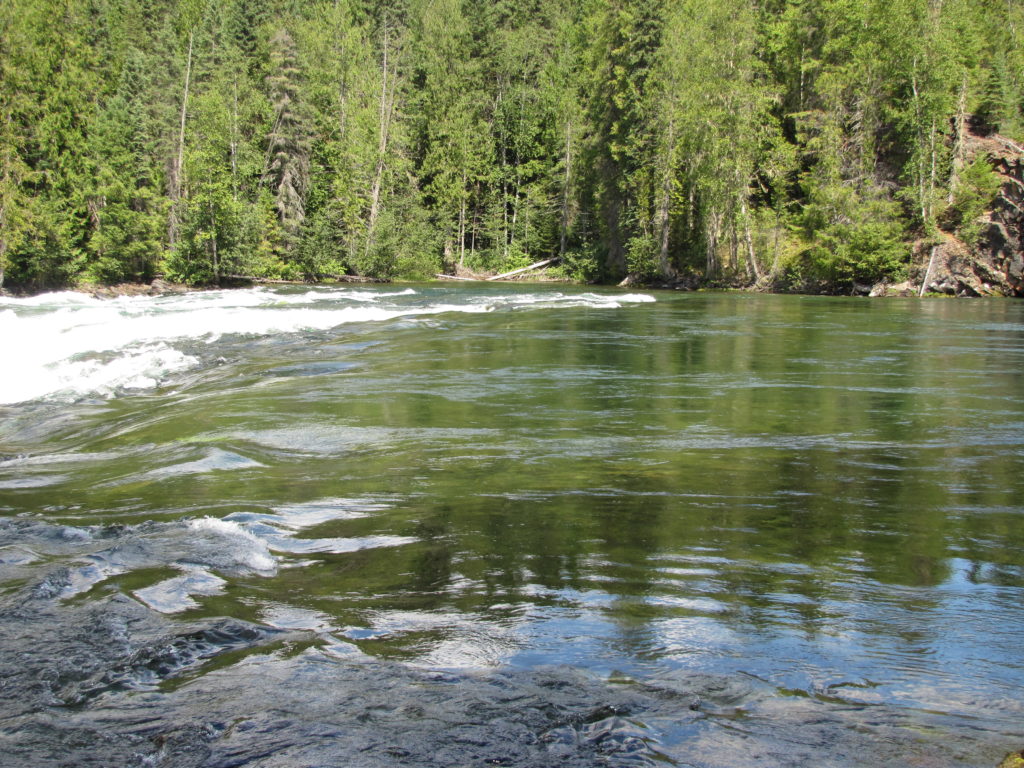
Wells Gray Provincial Park, British Columbia, Canada – Nestled within the rugged expanse of the Caribou Mountains in British Columbia, Canada, lies Wells Gray Provincial Park, a vast protected wilderness renowned for its breathtaking natural beauty. This expansive region, a sanctuary for diverse ecosystems, boasts a dramatic landscape characterized by towering mountains, pristine lakes, winding rivers, and dense forests. The park is a crucial habitat for a rich tapestry of wildlife, including iconic species such as bears and moose, a vibrant array of birdlife, abundant fish populations, and, notably, over 30 documented species of mosquitoes, a testament to its thriving natural environment.
However, it is Wells Gray’s unparalleled abundance of waterfalls that truly defines its character. The park’s unique geological history, shaped by ancient volcanic activity and glacial carving, has resulted in a spectacular concentration of these natural wonders. Official records indicate approximately 39 named major waterfalls, complemented by countless smaller, unnamed cascades that contribute to the park’s dynamic and awe-inspiring scenery. Among these majestic formations, Helmcken Falls stands as a particularly significant landmark. Measuring an impressive height, Helmcken Falls ranks as the fourth-largest waterfall in Canada, a colossal testament to nature’s sculpting power. Its sheer scale is further emphasized by a striking comparison: it is roughly three times the height of the world-famous Niagara Falls, highlighting its immense vertical drop and the raw energy it embodies.
The Geological Genesis of Wells Gray’s Waterfalls
The formation of Wells Gray Provincial Park’s numerous waterfalls is intrinsically linked to its geological past. The region is characterized by extensive lava flows from past volcanic eruptions, forming thick layers of basalt. Over millennia, these basalt layers have been incised by powerful rivers, particularly the Clearwater River, which flows through the park. Glacial erosion during past ice ages also played a significant role, carving out deep valleys and shaping the landscape.
The specific geological conditions at Helmcken Falls are particularly noteworthy. The Clearwater River plunges over a precipice formed by the Tertiary-aged Helmcken Formation, a distinct geological unit composed of basaltic lava flows. The river has eroded through these layers, creating the dramatic overhang and the sheer drop that defines the waterfall. The surrounding landscape, sculpted by this interplay of volcanic activity and erosion, features numerous canyons and cliffs, providing ideal conditions for waterfall formation. This geological dynamism means that the very existence and form of these waterfalls are a continuous, albeit slow-motion, geological event, a shaping of the land by the relentless force of water over vast timescales.
Helmcken Falls: A Symphony of Natural Forces
The experience of encountering a waterfall like Helmcken is more than just a visual spectacle; it is a multisensory immersion into the raw power and dynamic processes of nature. Standing before the thundering cascade, one can feel the spray on their skin, hear the deafening roar that drowns out all other sounds, and witness the sheer, untamed force of water in motion. This visceral encounter invites contemplation, prompting observers to consider the profound lessons that nature offers.
As one observes the wild cascade of a river at Helmcken Falls, breathing in the mist and feeling the vibrations of the water’s impact, it becomes apparent that a waterfall is not merely a static feature of the landscape but a living, dynamic entity. The very term "waterfall" speaks to a relationship – the point where a particular river encounters a specific location and transforms its course. It represents the immensely powerful and beautiful shape that water assumes for a fleeting moment during its continuous journey downstream.
The Ephemeral Nature of Existence: A Waterfall’s Metaphor
Extending this observation to a broader temporal scale reveals a profound truth about existence: everything, including ourselves, is a temporary event, akin to a waterfall. Just as a waterfall is a momentary manifestation of water’s flow, a tree represents the form that sunlight, water, and specific chemical elements take for a period of centuries. Similarly, animals, including humans, are the embodiment of food, water, and air, taking shape for less than a century. The waterfall, in this context, becomes a powerful narrative of life itself, written in an instant – a fleeting yet magnificent expression of being.
This philosophical perspective, often explored in ecopsychology and contemplative naturalism, highlights the interconnectedness and impermanence of all phenomena. By engaging with natural wonders like Helmcken Falls, individuals can gain a deeper appreciation for the transient nature of their own lives and the world around them, fostering a sense of humility and connection to the larger cosmic flow.
The Deceptive Calm Before the Cascade
A striking characteristic often observed at many waterfalls is the deceptive tranquility of the water immediately preceding the plunge. The surface can appear smooth, quiet, and calm, offering little hint of the chaos and immense power that lie just ahead. From the placid surface of a lake or a gently flowing upstream section, the current accelerates almost imperceptibly. Then, without warning, the water rushes over the precipice in a paroxysm of energy, a spectacle of chaos, violence, and breathtaking beauty.
This phenomenon draws a compelling parallel to human affairs and societal dynamics. As individuals navigate through life, the journey can often feel smooth and predictable. However, as one ages, or as societal structures evolve, thresholds are reached. Illness or old age can mark a point where personal systems begin to fail at an accelerating rate, mirroring the increasing speed of the water.
On a broader societal level, the pace of technological advancement and social change appears to be gradually and smoothly accelerating, much like the river approaching a waterfall. This gradual acceleration can lull observers into a sense of continued stability. However, there comes a point where a critical threshold is crossed, and the implications of these changes can lead to widespread disruption and unpredictability, akin to the sudden onset of chaos at the waterfall’s edge. Those individuals or societies who are further upstream, so to speak, may still perceive their environment as safe and calm, unaware of the maelstrom that awaits those ahead.
Heeding Nature’s Warnings: The Alert Mind
The lesson inherent in this observation is the importance of vigilance and an alert mind. Just as a careful observer can discern the subtle signs of an approaching waterfall – the growing murmur of the water, the increased chop on the surface – so too can a discerning mind perceive the underlying shifts and accelerating trends within human systems. Listening with an alert mind, one may "hear the sound" of approaching change or challenge before it becomes an overwhelming force. This awareness allows for the possibility of adapting, of "swimming to the safety of the bank," metaphorically speaking, before being swept away by the inevitable cascade.
This principle extends to environmental awareness as well. The accelerating pace of climate change, biodiversity loss, and resource depletion are all indicators of an approaching ecological "waterfall." Recognizing these signs and acting proactively can help mitigate the most severe consequences.
The Ecological Significance of Wells Gray Park
Wells Gray Provincial Park is not only a place of immense natural beauty but also a vital ecological asset. Its vast protected area plays a crucial role in conserving biodiversity and maintaining the health of regional ecosystems. The park provides critical habitat for numerous species, including large carnivores like grizzly bears and black bears, as well as ungulates such as moose and deer. The presence of these apex predators and large herbivores is indicative of a healthy and functioning ecosystem.
The park’s rivers and lakes support diverse aquatic life, forming the base of a complex food web that extends to terrestrial species. The protection of these waterways is paramount, not only for the fish populations they sustain but also for the many species that rely on them for sustenance and habitat.
The conservation efforts within Wells Gray are supported by various organizations and government agencies. The British Columbia Ministry of Environment and Climate Change Strategy, through BC Parks, manages the park, ensuring its protection and providing facilities for visitors. Research conducted within the park contributes to a broader understanding of ecological processes and the impact of human activities on natural environments. Data on wildlife populations, vegetation, and water quality are regularly collected and analyzed to inform management decisions and conservation strategies.
Visitors and the Impact of Tourism
Wells Gray Provincial Park attracts a significant number of visitors each year, drawn by its spectacular waterfalls, hiking trails, and opportunities for outdoor recreation. While tourism provides economic benefits to the surrounding region and fosters appreciation for nature, it also presents challenges for park management. Balancing visitor access with the need for ecological preservation is a constant consideration.
The park employs strategies to manage visitor impact, including designated trails, camping areas, and educational programs. These measures aim to minimize disturbance to wildlife and sensitive habitats. Information provided to visitors about park regulations, Leave No Trace principles, and the importance of respecting wildlife is crucial for ensuring responsible tourism.
Broader Implications: Nature as a Teacher
The profound lessons offered by Helmcken Falls and the broader ecosystem of Wells Gray Park extend far beyond the immediate visual experience. They serve as a constant reminder of the power, beauty, and interconnectedness of the natural world. In an era increasingly dominated by urban living and technological immersion, places like Wells Gray offer a vital opportunity for reconnection with fundamental natural processes.
The philosophical and ecological insights gleaned from observing a waterfall can inform our understanding of societal challenges, personal growth, and our place within the larger web of life. The call to cultivate an "alert mind" in the face of accelerating change is not just a metaphor derived from observing water; it is a crucial skill for navigating the complexities of the 21st century, whether in the face of environmental shifts, technological disruption, or social transformation. Ultimately, the enduring power of Helmcken Falls lies not only in its magnificent physical presence but also in its capacity to inspire contemplation, foster a deeper ecological consciousness, and remind us of the timeless wisdom that nature generously imparts.
