

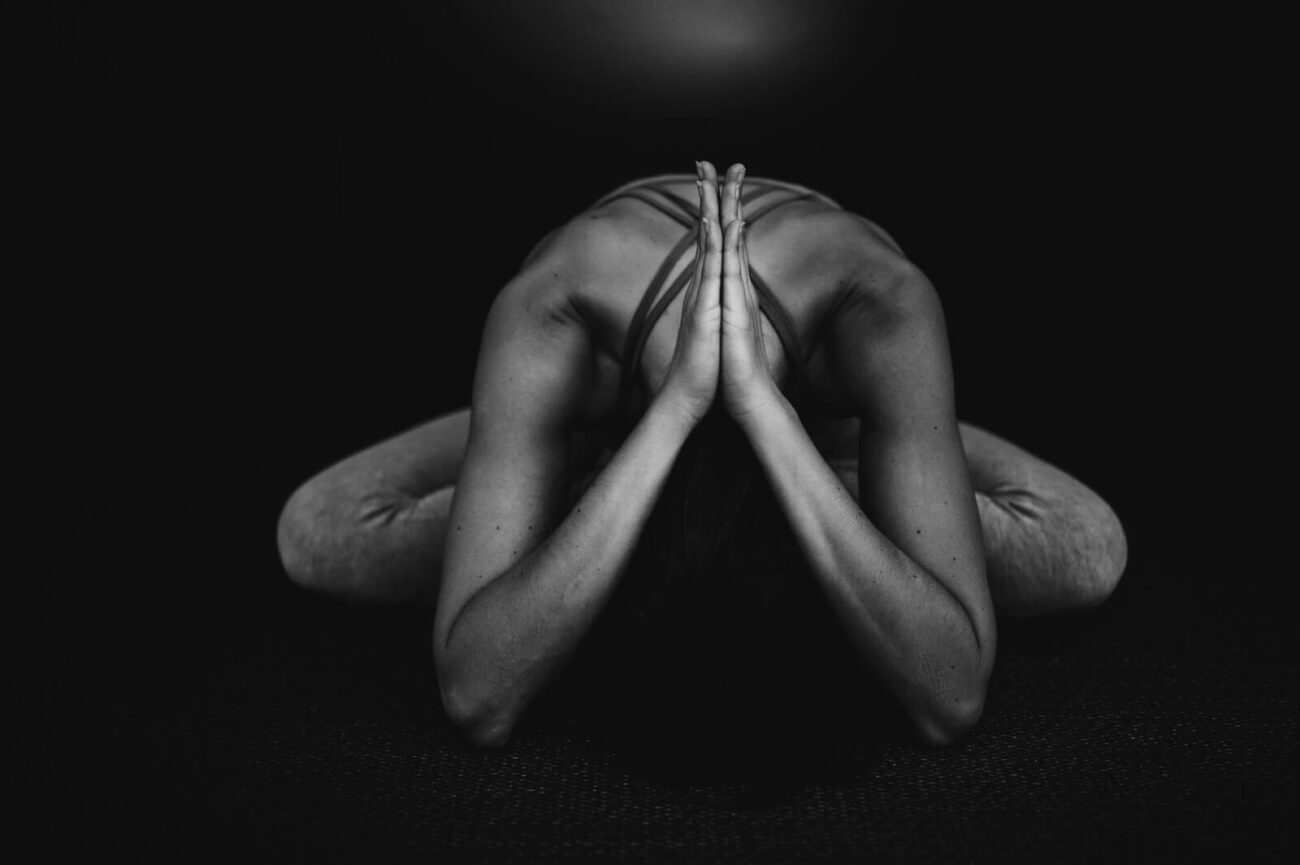
A comprehensive global study conducted by DoYou has shed significant light on the current landscape of yoga practices worldwide, identifying the most favored styles among a diverse population of practitioners. The "DoYou Global Yoga Survey," which gathered insights from an impressive 10,000 individuals spanning 124 countries, offers an unparalleled snapshot of contemporary yoga trends, revealing preferences that underscore the evolving relationship between individuals and their chosen spiritual and physical disciplines. The findings provide invaluable data for yoga studios, instructors, and wellness professionals, illustrating how various styles cater to different needs and aspirations within the global community.
The Global Yoga Survey: A Deep Dive into Practice Trends
The DoYou Global Yoga Survey was initiated with the primary goal of mapping the global adoption and preferences for various yoga styles. Understanding that the yoga landscape has diversified significantly from its ancient origins, the survey aimed to quantify which practices resonate most with modern practitioners. Conducted over a period that allowed for broad international participation, the methodology involved an extensive questionnaire distributed digitally, ensuring accessibility to a wide demographic. Participants were asked to identify their primary yoga style, among other questions related to their practice frequency, motivations, and perceived benefits. The sheer volume and geographical spread of responses—from bustling urban centers to remote communities—lend considerable weight to the survey’s conclusions, establishing it as a benchmark for current yoga trends. The aggregation of data from such a wide array of cultural and geographical contexts provides a unique cross-cultural perspective on yoga’s global penetration and adaptation.
Vinyasa Flow: The Undisputed Global Leader
Emerging as the overwhelming favorite, Vinyasa Flow was cited by a striking 57% of respondents as their primary yoga style. This dominance is attributed to Vinyasa’s dynamic and fluid nature, characterized by a seamless, breath-synchronized movement between poses. Often referred to as "flow yoga," Vinyasa’s appeal lies in its adaptability and capacity to deliver a robust physical workout. Unlike more rigid styles, Vinyasa sequences can be highly customized, allowing instructors creative freedom to design classes that range from gentle and meditative to intensely challenging. This flexibility makes it accessible to practitioners of all levels, from beginners seeking an introduction to yoga to advanced students looking for a vigorous practice.
Historically, Vinyasa’s roots can be traced back to the teachings of T. Krishnamacharya and his student K. Pattabhi Jois, who developed Ashtanga Vinyasa Yoga. Over time, the concept of "vinyasa" (meaning "to place in a special way") evolved into a broader category encompassing various flow-based practices. Its modern popularity is bolstered by its ability to elevate heart rate, build strength, and improve flexibility, aligning closely with contemporary fitness expectations. Many practitioners appreciate Vinyasa for its tangible physical benefits and its less overtly spiritual emphasis compared to some traditional forms, making it an attractive entry point into yoga for those primarily seeking a workout. The immediate physical results, such as increased energy and improved muscle tone, contribute significantly to its widespread adoption and continued popularity.
Hatha Yoga: The Enduring Foundation
Securing the second position with 42% of respondents, Hatha Yoga continues to hold a significant place in the global yoga community. While "Hatha" broadly refers to any physical yoga practice (including Vinyasa, Ashtanga, Iyengar, etc.), in modern Western contexts, it typically denotes a slower-paced practice focused on holding individual poses for extended periods. This deliberate approach allows practitioners to concentrate on alignment, breath control (pranayama), and mindfulness within each posture.
Hatha yoga serves as an excellent foundation for beginners due to its methodical instruction and emphasis on understanding the basic mechanics of each pose. It provides an opportunity for deeper stretching, cultivating patience, and developing a profound body-mind connection without the rapid transitions of Vinyasa. Philosophically, Hatha yoga aims to balance the "ha" (sun, active, masculine energy) and "tha" (moon, receptive, feminine energy) within the body, preparing practitioners for deeper meditative states. Its enduring appeal underscores a desire among a substantial portion of practitioners for a more introspective and foundational practice that prioritizes precision and sustained engagement with postures, fostering both physical and mental resilience.
Restorative Yoga: A Haven for Deep Relaxation
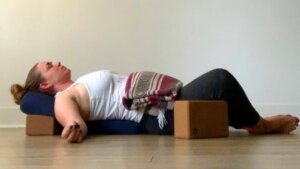
A substantial 29% of survey participants identified Restorative Yoga as their preferred style, highlighting a growing global need for stress reduction and deep relaxation. Restorative yoga is characterized by its gentle nature, utilizing an array of props—such as blankets, bolsters, blocks, and straps—to fully support the body in a handful of poses held for extended durations, often 5 to 20 minutes or longer. The goal is to facilitate profound relaxation, allowing the nervous system to shift from the sympathetic "fight or flight" response to the parasympathetic "rest and digest" state.
These sequences typically involve passive stretches like supported forward folds, gentle twists, and reclined positions, all designed to release tension, calm the mind, and promote healing. Often practiced in the evening, Restorative yoga is lauded for its ability to improve sleep quality, reduce anxiety, and aid recovery from physical exertion or chronic stress. Its increasing popularity is a clear indicator of a societal shift towards prioritizing mental well-being and acknowledging the importance of conscious rest in an increasingly demanding world. The ability to surrender into a pose, supported by props, allows for a unique form of therapeutic release that is less about physical exertion and more about profound internal quietude.
Power Yoga: The Intensified Flow
Sharing the 29% mark with Restorative Yoga (though distinct in its approach), Power Yoga appeals to those seeking a more rigorous and athletic experience. As a direct descendant of Vinyasa, Power Yoga maintains the flow and dynamic sequencing but intentionally ramps up the intensity. Instructors often incorporate more challenging poses, faster transitions, or longer holds to build significant strength, endurance, and stamina. The style emerged in the 1980s and 90s, influenced by Ashtanga but offering more flexibility in sequencing, making it adaptable to modern studio environments.
A Power Yoga class typically delivers an intense full-body workout, designed to make practitioners sweat and push their physical limits. It is particularly popular among individuals who value a strong physical challenge and view yoga as a primary form of exercise. The focus on building muscular strength and cardiovascular fitness, while still incorporating the mindful aspects of yoga, makes Power Yoga a compelling choice for a substantial segment of the yoga community. The "work" is palpable, and the sense of accomplishment post-class is a significant draw for its adherents.
Ashtanga Yoga: The Traditional, Fixed Sequence
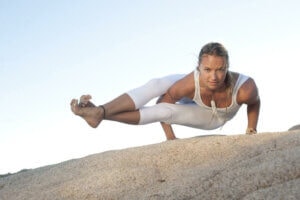
With 25% of respondents, Ashtanga Yoga maintains its strong following. This style is a specific form of Vinyasa, distinguished by its fixed series of poses performed in a precise order, linked by specific breathing techniques (Ujjayi breath) and gazing points (drishti). The primary series, known as Yoga Chikitsa (yoga therapy), is designed to detoxify and align the body. Practitioners move through the sequence fluidly, building internal heat (tapas), which is believed to purify the body and mind.
Ashtanga is celebrated for its disciplined approach, offering a clear path for progression and mastery. Its consistent structure means that a practitioner can attend an Ashtanga class anywhere in the world and expect the same sequence, fostering a sense of routine and measurable progress. This consistency appeals strongly to individuals who thrive on structure, dedication, and the ability to track their development over time. While physically demanding, Ashtanga also cultivates mental focus, discipline, and profound self-awareness, drawing those who seek a comprehensive and transformative practice rooted in tradition.
Yin Yoga: Tapping into Deeper Connective Tissues
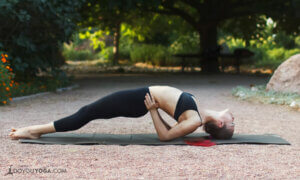
Garnering 17% of responses, Yin Yoga presents a contrasting yet complementary practice to the more dynamic styles. Similar to Restorative yoga in its use of long holds, Yin yoga distinguishes itself by targeting the body’s deeper connective tissues—ligaments, joints, fascia, and bones—rather than muscles. Poses are typically seated or reclined and held for three to five minutes, or even longer, allowing for a gentle, sustained stretch that encourages the release of tension in these often-neglected areas.
Yin yoga is considered the "yin" (passive, cool, internal) to the "yang" (active, hot, external) of more dynamic practices like Vinyasa or Ashtanga. It challenges practitioners not through muscular exertion but through sustained stillness and mental focus, often bringing about profound emotional and energetic shifts. Its benefits include increased flexibility, improved joint health, enhanced circulation, and a deeper sense of introspection. Many practitioners integrate Yin yoga to balance their more active routines, recognizing its crucial role in injury prevention and fostering a more holistic sense of well-being. Its growing popularity reflects a sophisticated understanding among practitioners of the varied demands their bodies and minds require.
Bikram/Hot Yoga: Embracing the Heat for Detoxification
A dedicated 10% of survey respondents indicated a preference for Bikram or other forms of Hot Yoga. Bikram Yoga is a highly specific, regimented sequence of 26 postures and two breathing exercises performed in a room heated to 35–42 °C (95–108 °F) with 40% humidity. This precise environment and sequence were designed by Bikram Choudhury to warm the muscles, increase flexibility, and promote detoxification through intense sweating.
More generic Hot Yoga classes also take place in heated rooms but offer more variety in sequences and poses, often incorporating Vinyasa or Hatha elements. The appeal of hot yoga lies in its perceived detoxifying effects, the enhanced flexibility due to warm muscles, and the intense physical challenge. However, practitioners are consistently advised on the critical importance of pre- and post-class hydration to mitigate the risks associated with excessive sweating and dehydration. Despite controversies surrounding its founder, the core practice of Bikram and the broader category of hot yoga continue to attract a loyal following seeking intense physical purification and profound release of tension.
Iyengar Yoga: Precision, Props, and Alignment
Finally, 8% of the Global Yoga Survey respondents practice Iyengar Yoga, a distinct subset of Hatha yoga. Developed by B.K.S. Iyengar, this style places paramount importance on precise anatomical alignment in each pose. It is characterized by the extensive use of props—such as blankets, blocks, straps, chairs, and even walls—to help practitioners achieve optimal alignment, deepen their understanding of poses, and make the practice accessible to individuals with varying physical limitations or injuries.
Iyengar yoga sequences are carefully constructed, and poses are held for extended periods, allowing for meticulous attention to detail. This focus on precision not only builds strength and flexibility but also cultivates profound body awareness and therapeutic benefits. Practitioners often experience a deeper understanding of their own anatomy and biomechanics. The systematic approach and emphasis on correct form appeal to those seeking a highly detailed, methodical, and often therapeutic yoga practice, highlighting a segment of the yoga community dedicated to technical mastery and safety in their postures.

Broader Implications for the Yoga Landscape
The findings from the DoYou Global Yoga Survey underscore several key implications for the global wellness industry and the future of yoga. Firstly, the overwhelming popularity of Vinyasa Flow suggests a continued demand for dynamic, fitness-oriented practices that deliver tangible physical results. This trend aligns with broader movements in fitness culture, where efficiency and measurable outcomes are highly valued. Yoga studios and online platforms are likely to continue prioritizing Vinyasa-based offerings, ensuring a wide array of options for practitioners.
Secondly, the strong showing of Hatha and Restorative yoga highlights a significant segment of the population seeking balance, stress reduction, and foundational practices. This indicates a maturing yoga market that recognizes the multifaceted benefits of yoga beyond just physical exertion. Wellness experts infer that in an increasingly fast-paced world, practices that offer calm, introspection, and deep restoration will become even more crucial, suggesting a potential growth area for these styles.
Thirdly, the enduring appeal of specialized, disciplined practices like Ashtanga and Iyengar, alongside newer adaptations like Yin and Power yoga, demonstrates the rich diversity within the yoga tradition. This diversity allows practitioners to find a style that perfectly matches their individual needs, preferences, and stages of life. Industry analysts suggest that this customization is vital for yoga’s continued global expansion and integration into mainstream wellness. The survey results serve as a valuable market indicator, informing decisions about teacher training curricula, workshop development, and the overall strategic direction of yoga-focused businesses.

The global spread of participants from 124 countries also reinforces yoga’s universal appeal, transcending cultural and geographical boundaries. It suggests that while specific stylistic preferences may vary, the fundamental human desire for physical health, mental clarity, and spiritual connection remains a powerful driving force behind yoga adoption worldwide. The data offers an objective foundation for understanding current trends and projecting future growth, emphasizing that the yoga journey is deeply personal yet universally embraced.
In conclusion, the DoYou Global Yoga Survey provides a compelling and data-driven overview of the most popular yoga styles across the globe. From the dynamic flows of Vinyasa to the introspective stillness of Restorative and Yin, and the disciplined forms of Ashtanga and Iyengar, the diverse landscape of yoga continues to evolve, catering to an ever-expanding global community. These insights not only inform practitioners in choosing a style that resonates with their goals but also guide the yoga industry in fostering an inclusive and responsive environment that meets the diverse needs of its global adherents. The invitation to explore different styles, as suggested by the survey’s organizers, remains a testament to the richness and adaptability of yoga, encouraging self-discovery through varied practice.
