

The decision to enlist the services of a certified personal trainer represents a significant shift in consumer behavior, moving fitness from a discretionary leisure activity to a critical investment in long-term health and preventative medicine. While often compared to major financial commitments such as the acquisition of real estate or automotive assets, the selection of a fitness coach carries unique implications for physical longevity, injury prevention, and metabolic health. As the global fitness industry continues its rapid expansion—projected by some market analysts to exceed $160 billion by 2028—the necessity for rigorous vetting processes and standardized professional benchmarks has never been more pressing. Consumers are increasingly tasked with navigating a saturated market of practitioners, ranging from highly specialized strength and conditioning coaches to unverified influencers, making a data-driven approach to selection essential.
The Professional Landscape and the Role of Accreditation
The foundational requirement for any reputable personal trainer is the possession of a nationally or internationally recognized certification. In the United States and much of the Western world, the "gold standard" for these credentials is defined by accreditation through the National Commission for Certifying Agencies (NCCA). This body ensures that the certification exams are psychometrically sound and that the material covers essential domains of knowledge, including human anatomy, exercise physiology, kinesiology, and emergency protocols.
According to industry data, the four primary organizations recognized for their rigorous testing standards are the National Strength and Conditioning Association (NSCA), the National Academy of Sports Medicine (NASM), the American Council on Exercise (ACE), and the American College of Sports Medicine (ACSM). Recent industry shifts have also seen the rise of practical-application certifications, such as the Show Up Fitness CPT, which emphasizes hands-on internship hours over rote memorization. Statistics from the Bureau of Labor Statistics (BLS) indicate that trainers holding these top-tier certifications are not only more likely to secure employment in high-end facilities but also demonstrate a significantly higher rate of client goal attainment and lower incidences of training-related injuries.
The Evolution of Fitness Coaching: A Chronology of Standards
The professionalization of the fitness industry has undergone several distinct phases over the last five decades. Understanding this chronology provides context for the current standards expected of modern practitioners.
- The Era of Physical Culture (1960s–1970s): During this period, personal training was largely unregulated and confined to bodybuilding subcultures. Knowledge was passed down through anecdotal experience rather than clinical research.
- The Birth of Formal Certification (1978–1989): The founding of the NSCA in 1978 and the NASM in 1987 marked the beginning of evidence-based practice. This era introduced the requirement for trainers to understand the scientific principles of periodization and biomechanics.
- The Wellness Integration (1990s–2000s): Fitness began to merge with broader healthcare. Certifications started including components on metabolic disease, geriatric fitness, and post-rehabilitative exercise.
- The Digital and Influencer Era (2010s–Present): The rise of social media created a paradox. While information became more accessible, the barrier to entry for "coaching" lowered, leading to a proliferation of uncertified individuals marketing services based on aesthetic appeal rather than technical expertise.
This historical trajectory highlights why modern consumers must prioritize formal education over social media popularity. A trainer’s ability to cite the physiological rationale behind a specific program is a direct result of this multi-decade shift toward scientific literacy.
The Significance of the Preliminary Assessment Protocol
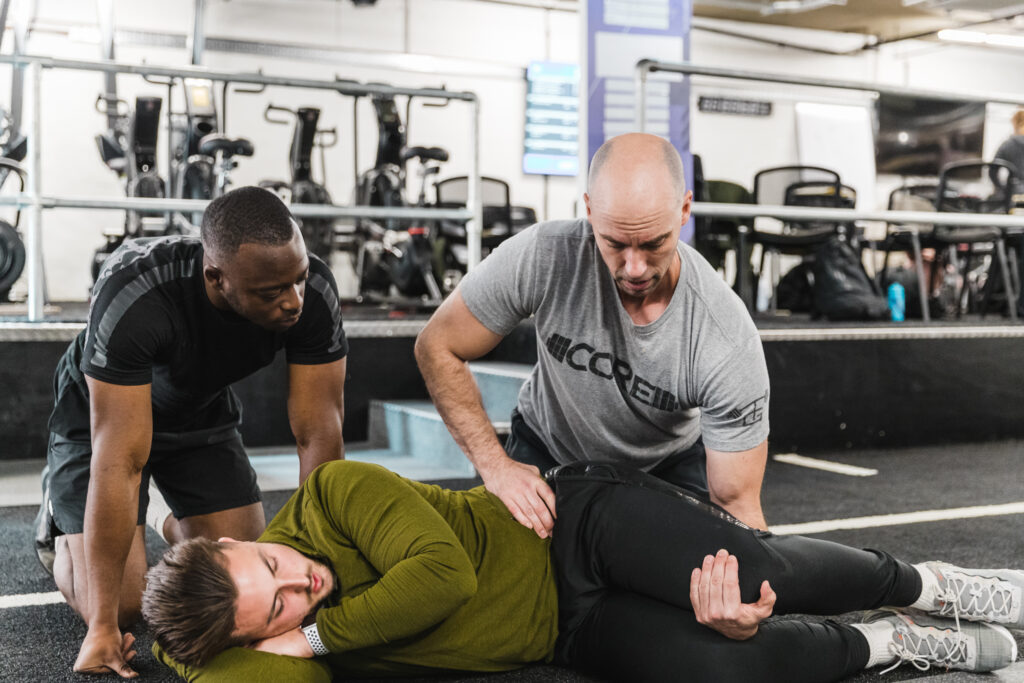
A critical differentiator between a professional coach and an amateur enthusiast is the implementation of a comprehensive intake and assessment session. Industry standards, as outlined by the ACSM, dictate that no physical exertion should take place before a thorough screening of the client’s medical history and current physical capabilities.
A standard professional assessment typically includes:
- The PAR-Q+ (Physical Activity Readiness Questionnaire): A validated tool used to identify individuals for whom physical activity may be contraindicated.
- Static and Dynamic Postural Analysis: Identifying muscular imbalances that could lead to chronic pain or acute injury during loaded movements.
- Movement Screens: Tools such as the Functional Movement Screen (FMS) allow trainers to observe how a client’s joints interact during fundamental patterns like squatting, lunging, and reaching.
- Goal Setting and Biometric Tracking: Establishing baseline metrics for body composition, cardiovascular endurance, and strength.
Data from the International Health, Racquet & Sportsclub Association (IHRSA) suggests that facilities and trainers who skip this phase see a 30% higher churn rate among clients, often due to injury or lack of perceived progress. The absence of an assessment is now widely regarded by insurance providers as a liability, as it increases the risk of negligence claims in the event of an accident.
Communication, Professionalism, and the "Soft Skills" Gap
While technical knowledge is paramount, the efficacy of a trainer is often mediated by their interpersonal skills and professional conduct. The fitness industry is increasingly recognized as a service-based "experience economy." A study published in the Journal of Strength and Conditioning Research found that client adherence to a program is more closely correlated with the quality of the trainer-client relationship than the specific nuances of the exercise programming itself.
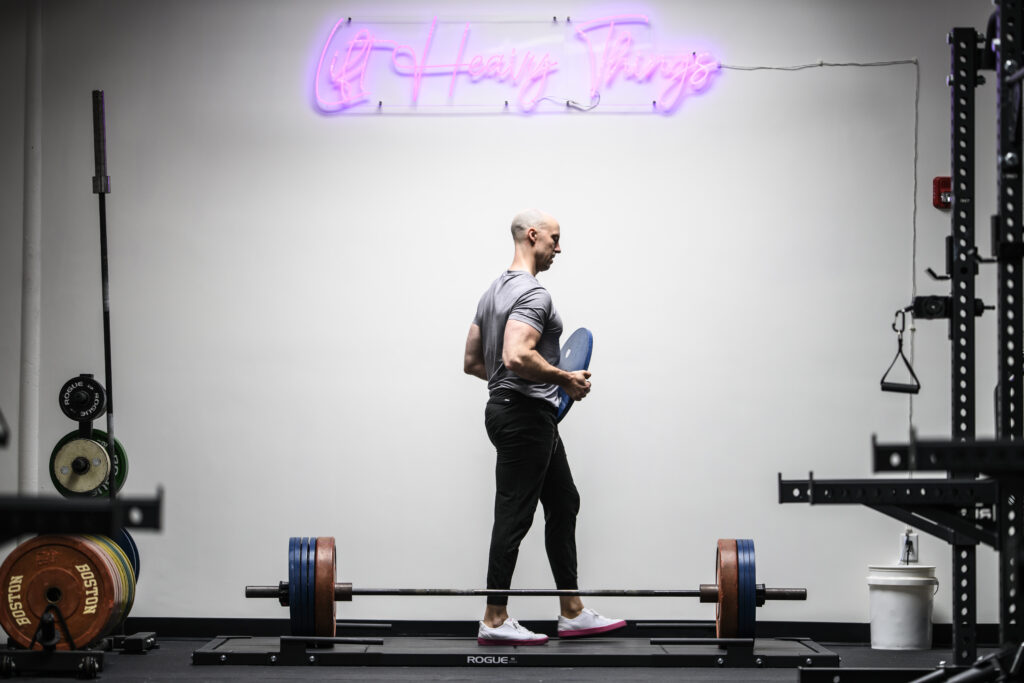
Professionalism also extends to the language used by the practitioner. Experts suggest that consumers should be wary of nebulous or hyperbolic titles such as "transformation guru," "body architect," or "biohacker." These terms are frequently used to mask a lack of formal credentials. In a professional setting, the titles "Personal Trainer," "Strength and Conditioning Coach," or "Health Coach" are preferred as they correspond to specific, regulated scopes of practice.
Furthermore, the "uniform" of the trainer serves as a non-verbal indicator of their approach to the business. Industry analysts note that trainers who maintain a professional appearance—avoiding overly revealing or casual attire—are perceived as more authoritative and trustworthy by clients. This professional distance helps maintain the boundaries necessary for a successful coach-athlete dynamic.
The Impact of Social Media on Professional Vetting
In the current market, social media serves as a digital portfolio for trainers. However, it also presents a significant challenge for consumers. A fact-based analysis of fitness marketing reveals a growing trend of "performative coaching," where trainers focus more on their own physical attributes than the success or education of their clients.
Prospective clients are advised to analyze a trainer’s digital footprint through a critical lens. A professional feed should ideally prioritize:
- Educational Content: Explanations of exercise mechanics, nutritional science, or recovery strategies.
- Client Testimonials and Case Studies: Evidence of the trainer’s ability to help others achieve diverse goals.
- Professional Boundaries: A focus on the service provided rather than personal vanity.
Market research indicates that "influencer-style" trainers often have higher initial sign-up rates but significantly lower long-term retention compared to "educator-style" trainers. This is largely attributed to the fact that aesthetic-based marketing often fails to address the complex, individualized needs of the average client.
Broader Implications for Public Health and Insurance
The shift toward hiring qualified personal trainers has broader implications for the global healthcare system. As chronic lifestyle-related diseases—such as Type 2 diabetes, hypertension, and obesity—continue to rise, the role of the personal trainer is evolving into that of a "front-line" health interventionist.
Insurance companies have begun to take notice. In certain jurisdictions, there are ongoing legislative efforts to allow physicians to prescribe personal training sessions, with costs covered by health insurance. This "Exercise is Medicine" initiative, championed by the ACSM, requires trainers to meet even higher standards of clinical knowledge. Consequently, the distinction between a "gym instructor" and a "certified fitness professional" is becoming a matter of public policy.
Conclusion: The Long-term Value of Informed Selection
Selecting a personal trainer is a decision that extends beyond the immediate goal of weight loss or muscle gain. It is an engagement with a professional who will influence an individual’s movement patterns, metabolic health, and psychological relationship with exercise for years to come. By prioritizing NCCA-accredited certifications, demanding a rigorous initial assessment, and valuing professional communication over social media metrics, consumers can ensure that their investment yields the highest possible return in terms of health and safety.
As the industry continues to professionalize, the gap between qualified experts and unverified amateurs will continue to widen. For the consumer, the ability to discern between these two groups is the most important skill in achieving a sustainable and injury-free fitness journey. The data is clear: an informed choice leads to better adherence, fewer injuries, and a more profound impact on overall quality of life.
