

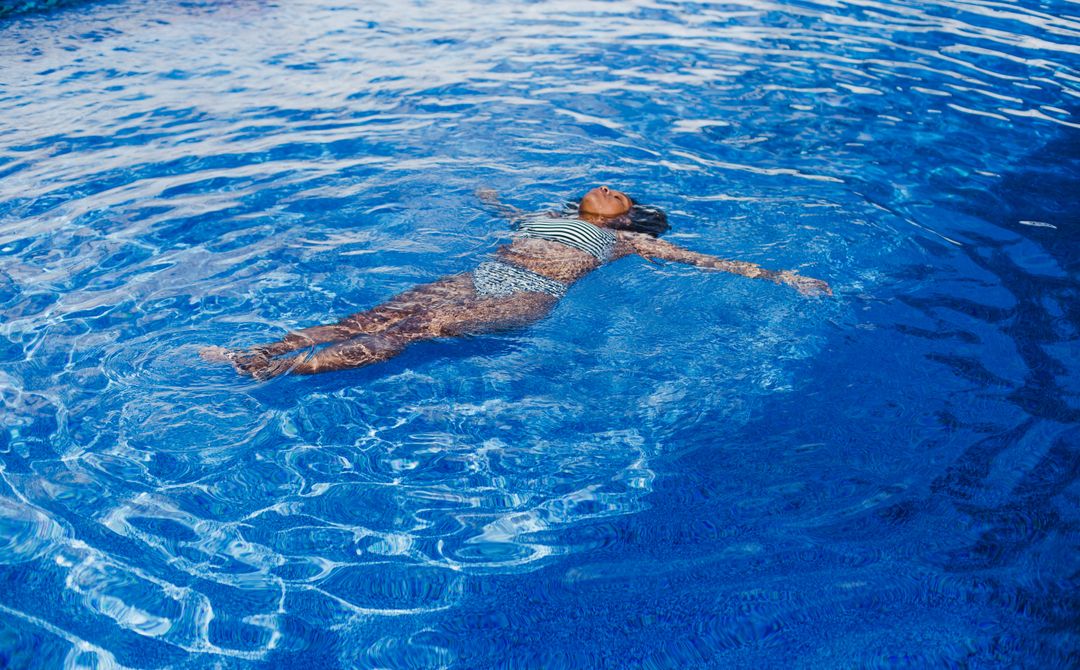
While traditional running remains a cornerstone of cardiovascular fitness and weight management, its inherent high-impact nature presents increasing challenges for the human body, particularly as individuals age or contend with pre-existing conditions. The repetitive pounding of pavement, while undeniably effective for cardiac health and endorphin release, carries a significant risk profile, encompassing common ailments such as patellofemoral pain syndrome, iliotibial band syndrome, plantar fasciitis, shin splints, and even chronic issues like osteoarthritis and hip displacement over time. For athletes sidelined by injury, individuals experiencing these adverse effects, or those seeking a robust fitness regimen devoid of joint stress, a compelling alternative has emerged: water running, also widely known as aqua jogging or deep-water running. This innovative cross-training modality harnesses the unique properties of water to facilitate a complete body workout, allowing muscles to engage dynamically without the detrimental forces of gravity, thereby safeguarding knees, hips, joints, and the spine.
The Genesis and Evolution of Aqua Jogging as a Training Modality
The concept of utilizing water for exercise is ancient, with therapeutic bathing and gentle aquatic movements dating back millennia. However, the formalization of water running as a specific athletic training and rehabilitation technique is a more recent development, gaining prominence in the latter half of the 20th century. Initially, aqua jogging was primarily embraced by elite runners and professional athletes as a critical tool for injury recovery. Faced with the dilemma of maintaining cardiovascular fitness and muscle memory during periods of injury, sports scientists and physical therapists began exploring the buoyancy and resistance offered by water as a means to mimic land-based running mechanics without impact.
Early adopters included competitive distance runners who needed to sustain their aerobic base even when unable to bear weight on land. The anecdotal success stories quickly led to more structured research and the development of specialized equipment, most notably the flotation belt, which became integral to deep-water running. By the 1980s and 1990s, aqua jogging had transcended its niche within elite sports rehabilitation, becoming recognized by the broader fitness community as a versatile exercise form. Its benefits were soon extended to the general population, including older adults, individuals with chronic pain conditions like arthritis, and those new to exercise seeking a gentle yet effective entry point into physical activity. Today, it stands as a scientifically validated method for cross-training, injury prevention, rehabilitation, and general fitness improvement, taught in specialized classes and integrated into diverse training protocols worldwide.
The Biomechanical Advantages: Understanding Water’s Unique Properties
At the core of aqua jogging’s efficacy lies the interplay of water’s distinct physical properties: buoyancy, hydrostatic pressure, and viscosity. These elements combine to create an exercise environment that is simultaneously challenging and protective.
- Buoyancy: This upward force exerted by water directly counteracts gravity, significantly reducing the weight bearing on joints. In deep water, where the body is fully submerged, individuals can experience a reduction of up to 90% of their body weight, effectively eliminating impact stress on the ankles, knees, hips, and spine. This allows for full range of motion exercises that would be painful or impossible on land, making it invaluable for post-surgical recovery and individuals with severe joint degradation.
- Hydrostatic Pressure: The pressure exerted by water uniformly across the submerged body has several physiological benefits. It helps reduce swelling in injured tissues, provides gentle compression that can improve circulation, and assists in venous return, thereby potentially reducing post-exercise muscle soreness (DOMS). This pressure also acts as a natural stabilizer, enhancing proprioception and core engagement as the body works to maintain balance.
- Viscosity: Water is significantly denser than air, meaning any movement through it encounters substantial resistance. This resistance is multidirectional and proportional to the speed of movement. Unlike weights, which primarily offer resistance in one direction (downward), water provides resistance throughout the entire range of motion, engaging antagonist muscles as effectively as agonists. For instance, in a leg swing, both the quadriceps (forward motion) and hamstrings (backward motion) are actively engaged, leading to balanced muscle development and increased strength without the need for external loads. This constant resistance also contributes to a higher caloric expenditure compared to similar movements performed on land.
These biomechanical advantages translate into a workout that builds strength, improves cardiovascular fitness, and enhances flexibility, all within a virtually impact-free environment.
Scientific Validation and Supporting Data
Numerous studies have substantiated the benefits of water running, moving it beyond anecdotal evidence to a scientifically endorsed fitness modality. The 2003 study on deep-water running referenced in the original article, published in the Journal of Strength and Conditioning Research, highlighted its capacity to provide adequate cardiovascular stimulus. This research demonstrated that deep-water running could elicit heart rates and oxygen consumption levels comparable to land-based running, provided the intensity and duration were matched.
Further research has expanded upon these findings:
- Cardiovascular Efficacy: A study published in the American Journal of Physical Medicine & Rehabilitation found that trained runners could maintain cardiovascular fitness during an injury layoff by performing deep-water running at an intensity corresponding to their land-running effort. Heart rate and VO2 max values were shown to be sustained effectively.
- Muscle Strength and Endurance: Research in the Journal of Sports Sciences has indicated that aqua jogging can lead to improvements in lower body muscle endurance and power, attributable to the constant resistance provided by water. While not a direct substitute for heavy strength training, it contributes significantly to muscular toning and endurance.
- Gait and Form Improvement: For runners, the ability to practice running mechanics without impact can lead to improved form. Studies suggest that the self-correcting nature of water, which magnifies imbalances, can help individuals develop a more efficient and symmetrical stride, which then translates to land running.
- Injury Rehabilitation: A meta-analysis published in Sports Medicine concluded that aquatic exercise, including aqua jogging, is a highly effective component of rehabilitation programs for various musculoskeletal injuries, particularly those affecting the lower extremities and spine. It allows for early mobilization and strengthening, accelerating recovery times and reducing re-injury rates.
- Bone Density: While traditional weight-bearing exercise is crucial for bone density, aqua jogging offers a means to maintain overall fitness without compromising healing bones or exacerbating conditions like osteoporosis, especially when combined with other forms of resistance.
These studies collectively underscore aqua jogging’s role as a potent and safe exercise strategy for a broad spectrum of individuals.
Applications Across Diverse Demographics
The versatility of aqua jogging makes it suitable for an incredibly wide array of individuals, from elite athletes to those with significant physical limitations.
- Elite Athletes and Runners: For professional and amateur athletes, aqua jogging is an invaluable cross-training tool. It allows them to increase their training volume without adding extra impact stress, thus reducing the risk of overuse injuries. During periods of injury, it becomes a crucial method for maintaining cardiovascular fitness, preserving muscle memory, and active recovery. A professional marathon runner might use aqua jogging sessions to supplement their high-mileage weeks, giving their joints a break while still pushing their aerobic capacity. Sports physiotherapists, such as Dr. Eleanor Vance, often recommend it, stating, "Aqua jogging allows our athletes to maintain peak cardiovascular conditioning and muscle activation patterns even when weight-bearing activities are contraindicated. It’s a game-changer for injury management and prevention."
- Rehabilitation and Post-Operative Recovery: Patients recovering from orthopedic surgeries (e.g., knee replacements, ACL reconstruction, hip surgeries), individuals managing chronic conditions like osteoarthritis, fibromyalgia, or lower back pain, and those undergoing physical therapy for various musculoskeletal issues find immense benefit. The buoyancy allows for pain-free movement, enabling early rehabilitation exercises that strengthen muscles around injured joints and improve range of motion without exacerbating inflammation.
- Aging Population: For older adults, maintaining an active lifestyle is paramount for health and independence. Aqua jogging offers a safe and enjoyable way to enhance cardiovascular health, strengthen muscles, improve balance, and maintain flexibility without the risks associated with falls or high-impact activities. It can significantly improve quality of life for seniors struggling with mobility or joint pain. "We see remarkable improvements in our older clients’ strength, balance, and overall confidence in movement when they incorporate aqua jogging," notes Sarah Jenkins, a geriatric fitness specialist. "It’s a fantastic way to keep them active and engaged."
- General Fitness and Weight Management: For individuals transitioning from a sedentary lifestyle or those seeking a sustainable, effective workout, aqua jogging provides a full-body challenge. The water’s resistance burns calories and builds lean muscle mass, contributing to weight management. Its low impact nature reduces the barrier to entry, making it more accessible and less intimidating than traditional high-impact exercises.
- Individuals in Hot Climates: Exercising in high temperatures can be challenging and risky. Aqua jogging offers a refreshing alternative, allowing individuals to maintain their fitness routines in a cool, comfortable environment, mitigating the risk of heatstroke and dehydration.
Detailed Techniques and Training Protocols
Mastering aqua jogging involves more than simply splashing around in a pool. Proper technique is crucial to maximize benefits and ensure an effective workout.
-
Deep Water vs. Shallow Water:
- Deep Water Aqua Jogging: This is the most common form, requiring the use of a flotation belt to keep the head above water without touching the bottom of the pool. It offers the highest impact reduction. The focus is on mimicking natural running form.
- Shallow Water Aqua Jogging: Performed in water typically waist to chest deep, where feet can occasionally touch the bottom. This provides a progressive level of weight-bearing, offering a transition phase for rehabilitation or adding varied resistance.
-
Proper Form (Deep Water Focus):
- Posture: Maintain an upright, slightly forward-leaning posture, similar to land running. Avoid slumping or leaning back. Engage your core to stabilize your trunk.
- Arm Movement: Keep arms relaxed, bent at approximately 90 degrees, and pump them forward and backward as you would on land. The hands should be slightly cupped to push against the water, generating propulsion and aiding balance.
- Leg Drive: Focus on a strong, deliberate leg drive. Bring the knees high towards the chest (hip flexion) and then extend the leg powerfully backward (hip extension). The ‘foot strike’ in water should simulate a mid-foot strike, sweeping the water rather than pushing down aggressively. The movement should be fluid and controlled against the water’s resistance.
- Relaxation: While working against resistance, strive for a relaxed, natural stride. Tension can lead to inefficient movement and fatigue.
-
Intensity and Progression:
- Monitoring Intensity: Since heart rate can be slightly lower in water due to hydrostatic pressure, perceived exertion (RPE scale) is often a more reliable indicator of workout intensity. Aim for an RPE of 7-8 out of 10 for high-intensity intervals and 4-5 for recovery.
- Interval Training: A highly effective method involves alternating periods of high-intensity aqua jogging with recovery periods. A common protocol is 5 minutes of high-intensity effort followed by 1 minute of active recovery (slower pace). Begin with 20 minutes of this cycle and gradually increase to 45-60 minutes as stamina improves.
- Progression: As fitness improves, incorporate varied movements (e.g., high knees, butt kicks, backward running), longer intervals, shorter recovery times, and the use of resistance equipment.
Essential Equipment and Advanced Accessories
While a swimsuit and access to a pool are the fundamental requirements, specific equipment can significantly enhance the aqua jogging experience and effectiveness.
- Flotation Belt (Aqua Belt): This is the most crucial piece of equipment for deep-water running. Worn around the waist, it provides sufficient buoyancy to keep the user upright and their head above water without requiring constant treading. This allows for a focus on running form rather than staying afloat. Reputable brands offer ergonomic designs for comfort and stability.
- Waterproof Weights (Aqua Dumbbells/Ankle Cuffs): As strength and stamina improve, waterproof dumbbells or ankle cuffs can be added to increase resistance. Aqua dumbbells are typically made of foam and used for upper body and core work, while weighted ankle cuffs provide additional resistance to leg movements, intensifying the workout.
- Resistance Paddles/Gloves: These are worn on the hands to increase the surface area, thus increasing resistance for arm and upper body movements, contributing to a more comprehensive full-body workout.
- Aqua Shoes: While optional, aqua shoes can provide better grip on pool surfaces (if transitioning to shallow water or getting in/out) and protect the feet. Some specialized designs also offer minor resistance.
- Tethered Systems: For advanced users or those with limited pool space, a tethered swimming system can be used. This involves a belt and cord attached to the side of the pool, allowing the user to run "in place" against constant resistance, simulating continuous forward movement.
Overcoming Challenges and Ensuring Accessibility
Despite its numerous benefits, aqua jogging can present some practical challenges. Access to a suitable pool is the primary hurdle, as not all pools are deep enough or offer dedicated lanes for aqua jogging. Public pools or fitness centers with aquatic facilities are typically the best options.
Initially, individuals might find the sensation of running without solid ground beneath them disorienting or awkward. This learning curve is normal. Consistent practice, focusing on form, and gradually increasing intensity will help build comfort and proficiency. For those accustomed to the immediate feedback of land running, the perceived intensity of aqua jogging might feel lower at first. Utilizing heart rate monitors (waterproof models) or the RPE scale can help ensure an adequate workout.
Cost implications can include pool membership fees and the initial investment in a flotation belt. However, compared to the potential medical costs associated with running injuries, these are often negligible. Many communities offer subsidized aquatic programs, enhancing accessibility for a wider population.
Broader Impact and Future Outlook
The increasing awareness and scientific validation of aqua jogging signify its growing importance in the broader fitness and healthcare landscape. Its impact extends beyond individual health:
- Fitness Industry Innovation: The demand for aquatic fitness programs has led to the development of specialized classes, certified instructors, and innovative equipment, creating new niches within the fitness industry.
- Public Health Promotion: By offering a safe, effective, and enjoyable exercise alternative, aqua jogging contributes to public health initiatives aimed at combating sedentary lifestyles and reducing the prevalence of chronic diseases. It provides an entry point for individuals who might otherwise avoid exercise due to pain or perceived limitations.
- Integrative Medicine: Physicians and physical therapists are increasingly integrating aqua jogging into their patient care plans, recognizing its therapeutic potential in managing musculoskeletal conditions and facilitating recovery.
- Environmental Considerations: As outdoor running becomes more challenging in areas affected by extreme heat, air pollution, or adverse weather, indoor aquatic facilities offer a consistent and controlled environment for exercise.
In conclusion, water running, or aqua jogging, has evolved from a niche rehabilitation technique for elite athletes into a universally accessible and scientifically supported fitness modality. Its unique ability to provide a robust cardiovascular and strength workout without the detrimental impact on joints makes it an indispensable tool for injury prevention, recovery, cross-training, and general health maintenance. As the understanding of biomechanics and exercise physiology continues to advance, aqua jogging is poised to play an even more significant role in promoting lifelong physical activity and well-being for individuals of all ages and fitness levels. However, as with any new exercise regimen, particularly for rehabilitation or injury recovery, consultation with a qualified health professional is always recommended to ensure safety and tailor the program to individual needs.
